Military simulation: Russian drone strike on Romania could expose fragile U.S.–Europe defence ties
"World War Next" exercise showed how a strike in Romania and limited U.S. political will could leave Europe divided and Article 5 endangered.
A military simulation held on Monday, September 7, 2026, drew a stark scenario for Europe: a continuing war in Ukraine spills over and a Russian drone strike on NATO-member Romania kills civilians, exposing deep doubts about whether the United States would lead a forceful response.
The exercise, called "World War Next," was organised by the Brooks Institute at Cornell University together with the Rockefeller Foundation and involved sitting U.S. congress members as well as former American military, diplomatic and intelligence officials. The fictional timeline was set in 2028, when Russia attempts to destabilise Europe further by attacking Moldova and a drone strikes a fuel depot in Romania, causing civilian deaths.
Weak American political will, strong consequences
In the simulation, U.S. participants concluded that domestic American public opinion would not back an expansive military retaliation. Without decisive leadership from Washington, European states remained divided and unable to coordinate a unified response — a dynamic that the exercise warned could put NATO’s Article 5 unity in question.
Analysts who took part warned that the scenario was not purely hypothetical. The U.S. strategic-advisory firm TD International found that over the six months before the simulation, Russian hybrid activity in Europe had grown "more ambitious and more dangerous," recording 63 incidents since March — from drone intrusions and airspace incidents to sabotage, cyber-attacks and hostile maritime activity.
Russian pressure has also targeted European companies supplying weapons to Ukraine. In April, the Russian Ministry of Defence published the names and addresses of 21 European firms it accused of producing drones or parts for Ukraine and labelled them "potential targets." Sabotage has since been reported at manufacturers in Estonia, Bulgaria and Italy. Western officials say some attacks involve local criminal groups, complicating proof of direct Russian intelligence involvement.
Germany has this week accused Russia of a drone strike on a Ukrainian cargo aircraft at Leipzig and of two further attempts; Berlin announced diplomatic measures and said it would step up monitoring of the so-called shadow fleet that helps Russia circumvent sanctions through oil exports. The Kremlin condemned plans by Britain and France to help Ukraine develop the long-range cruise missile Storm Shadow/SCALP, after British Prime Minister Endi Barnam visited Kyiv — Barnam replied tersely: "Who started the fire?"
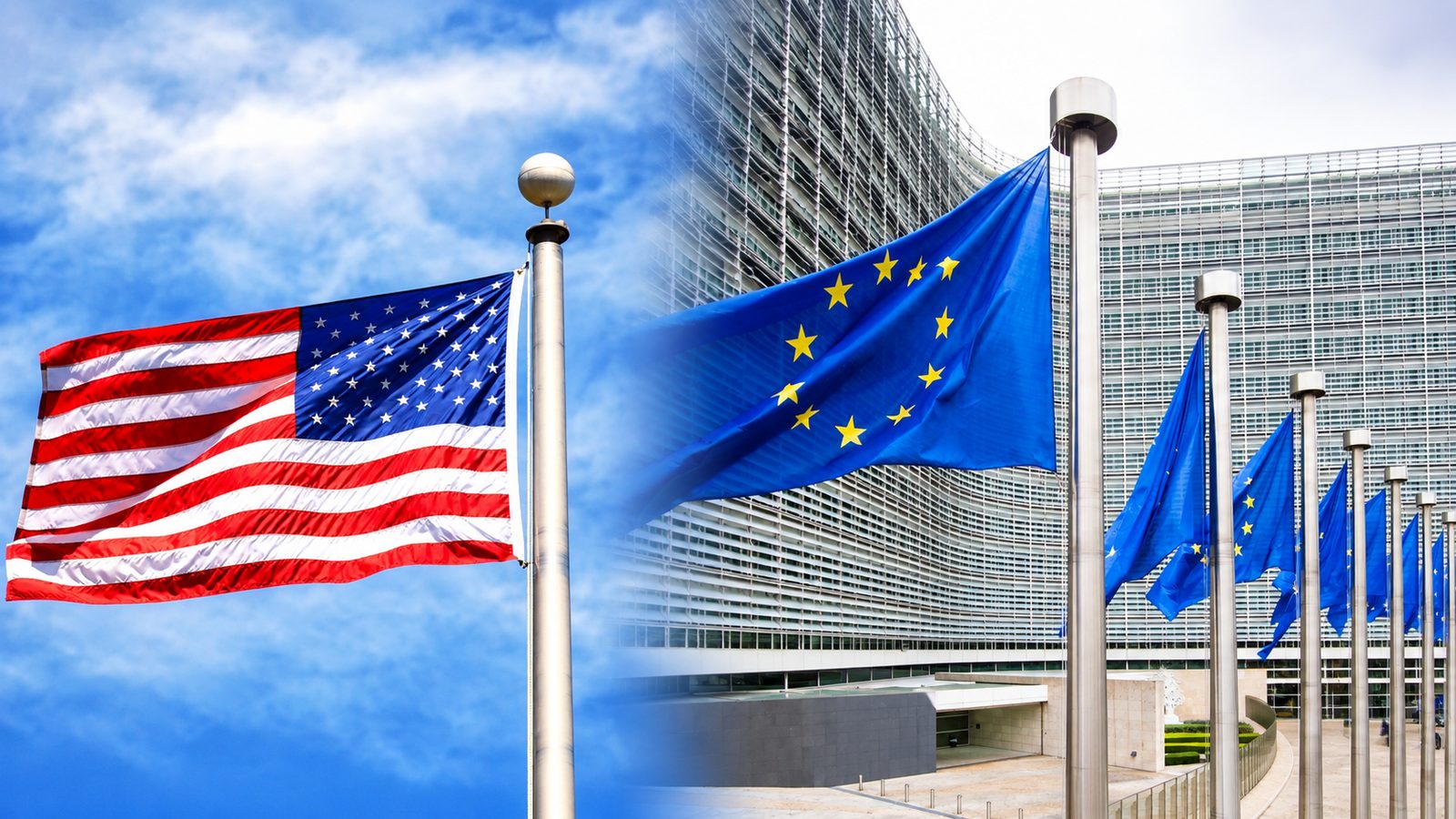
The simulation’s author recommended a clearer transatlantic response: Washington and its European partners should jointly warn Moscow that attacks on NATO members would carry serious consequences, avoid unilateral withdrawal debates about U.S. forces in Europe, and make increased American arms production available to allies and Ukraine. The stated ultimate aim: to strengthen Kyiv and Europe so diplomatic pressure could force a ceasefire and a long-term settlement.
Photo: press material from the event