Iran war spreads to Red Sea as Trump seeks way out
Fighting has widened from the Strait of Hormuz to the Red Sea while Washington pursues diplomacy ahead of November 3.
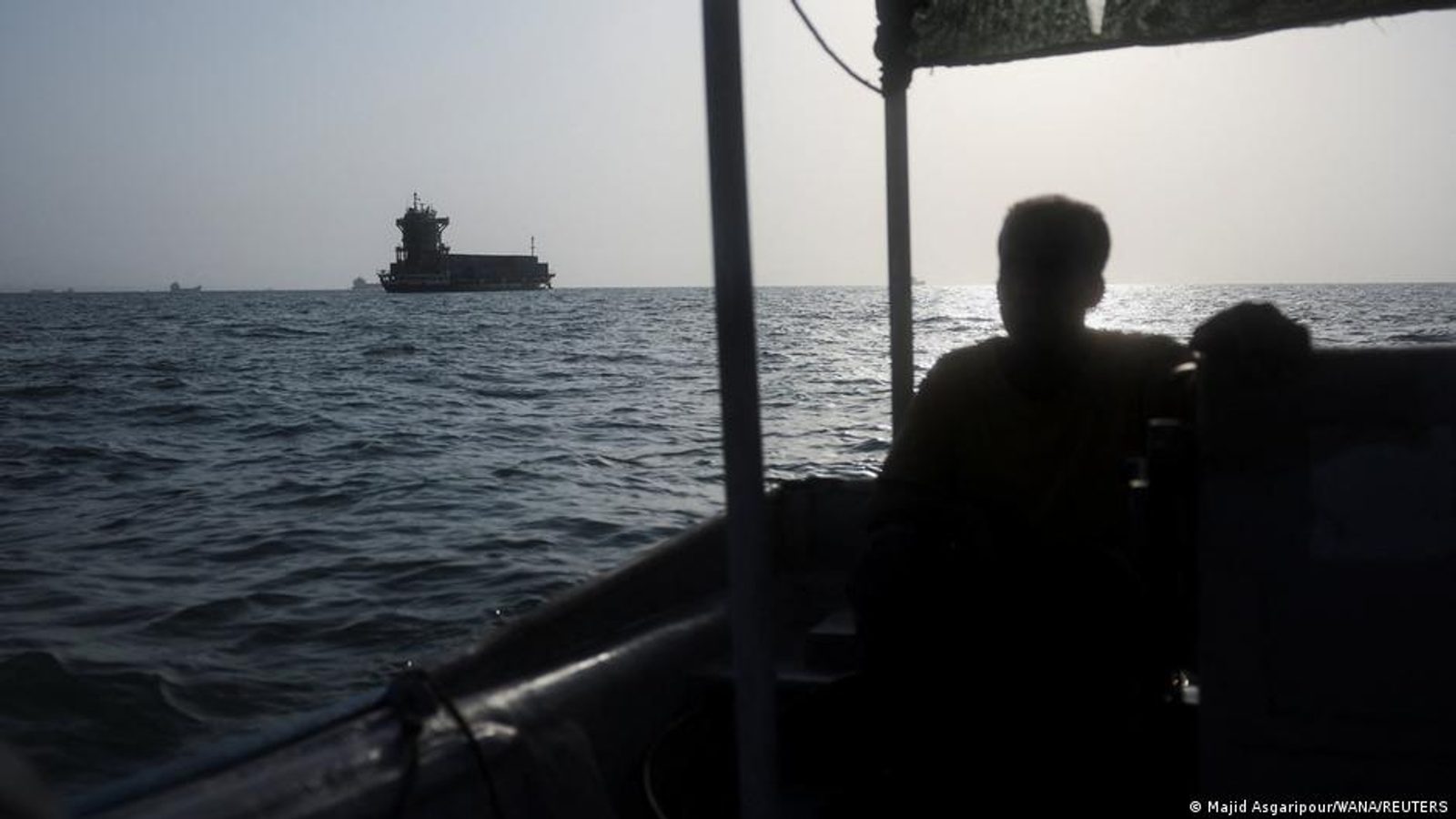
September 25, 2026 — Nearly seven months after the outbreak of the war with Iran there is still no political end in sight, and the fighting has widened from the Strait of Hormuz to a second vital energy route through the Red Sea. Houthi forces in Yemen, backed by Tehran, have intensified strikes on Saudi Arabia and increasingly targeted energy infrastructure and export lanes across the Red Sea.
The New York Times reported that Saudi Crown Prince Mohammed bin Salman called U.S. President Donald Trump on September 20 to request fresh American intervention as the group was gaining ground. Trump reportedly weighed air strikes against the Houthis at one point but ultimately decided against such action. Fox News carried statements that, according to Trump, the Houthis pledged not to attack U.S. targets, and Axios has published that Trump had already once refused Saudi requests to strike the group.
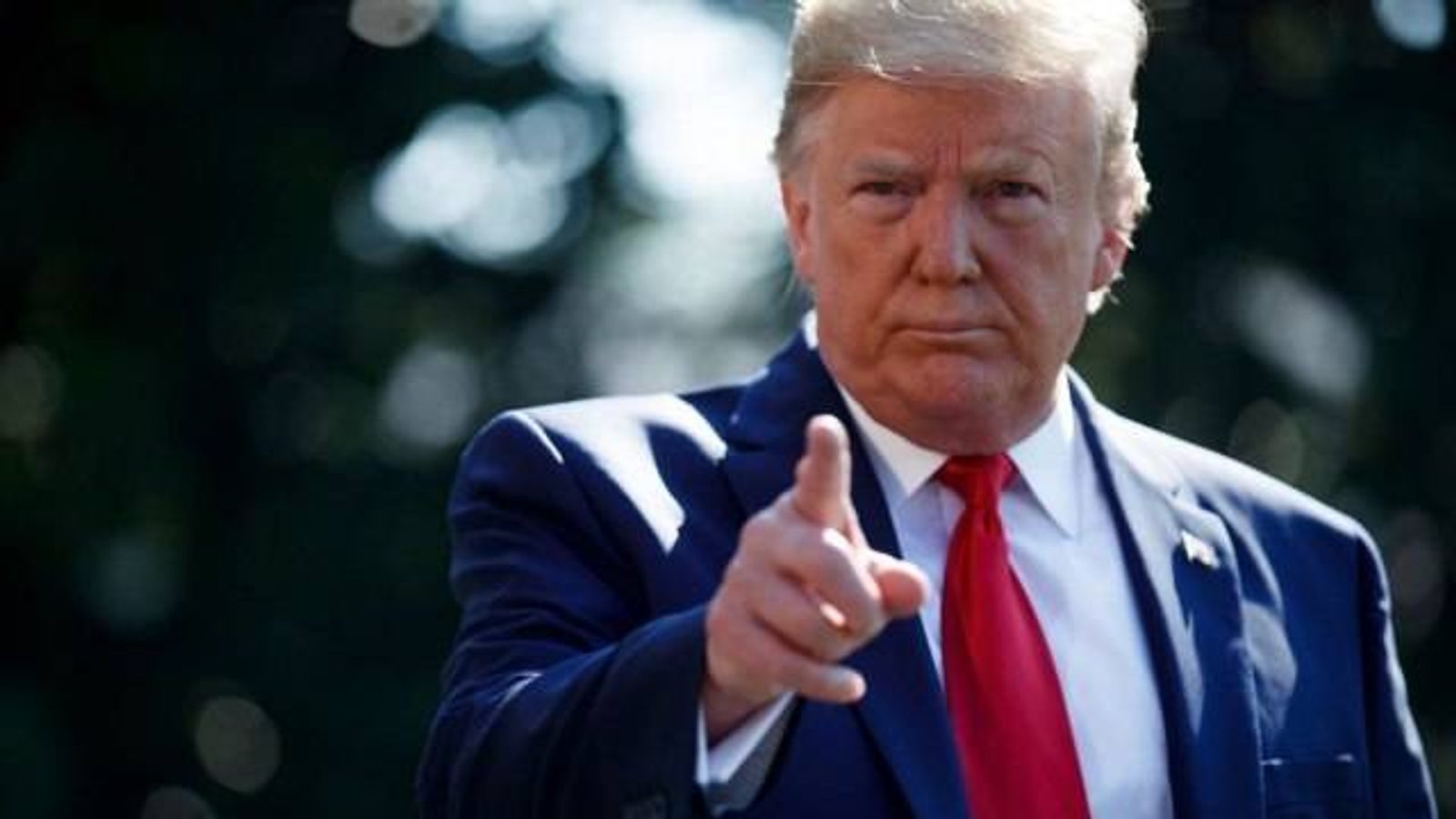
President Trump is trying to secure a resolution to the Iran conflict before the November 3 elections while gasoline and diesel prices are on the rise. “President Trump wants to end the conflict with Iran from a position that will allow him to claim that Iran's nuclear and military capacities have been significantly weakened, freedom of navigation has been restored, and Tehran has been forced back to the negotiating table,” said Iran expert Fatemeh Aman.
Military pressure, diplomatic maneuvering
U.S. strikes and sanctions have imposed heavy military and economic costs on Iran and appear to have degraded some of Tehran’s capabilities. Yet those measures have not produced a surrender by Iran nor a lasting agreement. The gap between battlefield pressure and a political solution remains wide.
On September 23 Trump met Chinese President Xi Jinping in Washington; China is by far the largest buyer of Iranian oil and a key political partner of Tehran. Washington hopes Beijing will use its leverage over Tehran, particularly to help secure maritime traffic through the Strait of Hormuz. At the same time Trump signaled a willingness to meet Iran’s president, Masud Pezeshkijan, when the Iranian leader travels to New York for the U.N. General Assembly. High-level representatives from Gulf states are also expected in the United States; Axios reports Trump plans to discuss the Iran conflict with several delegations on the sidelines of the General Assembly.
Gulf governments, however, are reluctant to see the conflict expand. “At first glance there does not seem to be much in common between Iran and the Gulf states,” said Middle East expert Farzan Sabet. Behind the scenes, he added, there is at least a shared interest in preventing further military escalation. Gulf rulers have concluded that direct large-scale confrontation with Iran would be strategically costly and therefore generally prefer de‑escalation and pragmatic reductions in tensions rather than a broad military coalition backed by the U.S.
Tehran’s stated demands, voiced by Iranian security official Mohsen Rezaei, include that the U.S. stop fighting on all fronts, unfreeze Iranian assets and lift any maritime blockade. Talks with Qatar and Oman are ongoing, and Tehran is reportedly waiting for a reply from Washington. Whether those channels can deliver an end to the war remains uncertain: Washington, Tehran and the Gulf states continue to pursue divergent goals.
Photo: pripadnik na vladinite sili vo Jemen)