Winter time switch: clocks go back one hour — earliest since 2014
Overnight between Saturday and Sunday clocks move from 3 to 2; health experts warn of cardiovascular, sleep and mood effects.
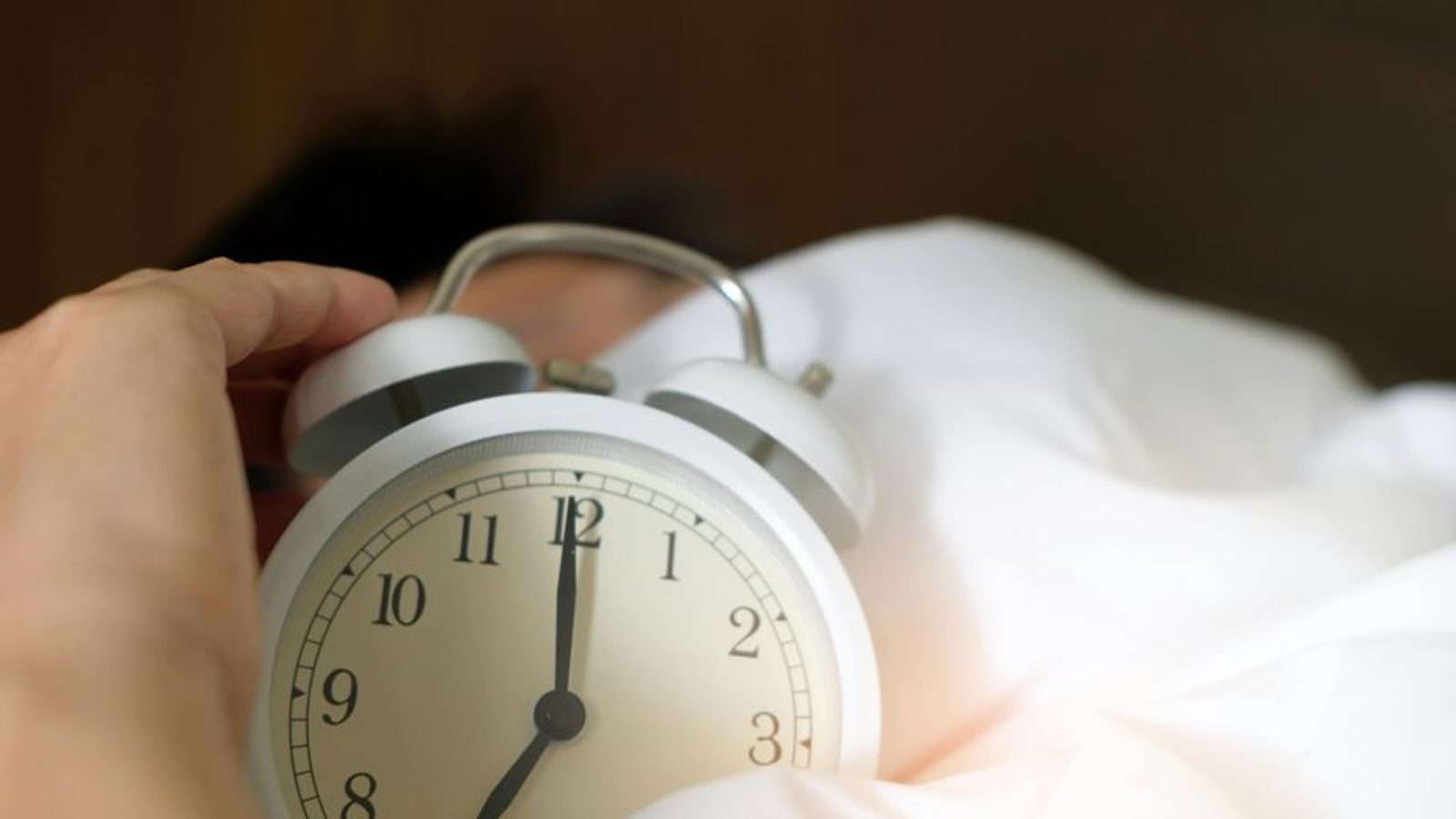
The coming weekend brings the switch to winter time across much of Europe — clocks will be set back one hour, a change many welcome as an extra hour of sleep but which specialists say unsettles the body in several ways.
In the night between Saturday and Sunday the hands will be moved back from 3 to 2 o'clock. The immediate effect is one more hour of rest, but the afternoons will grow noticeably shorter and darkness will descend much earlier than most people expect.
Why this year feels different
This year the timing of the change is unusual: the clock reversal falls so early in October that a similar early-date shift has not been recorded since 2014 — a gap of 11 years. That early calendar placement can intensify the public impression that autumn has ended suddenly and that winter has arrived overnight.
Chronobiologists and European public-health institutes warn that the one-hour move disrupts the circadian rhythm — the internal clock that regulates sleep, appetite and hormone cycles — and can produce measurable health shocks.
Research published in European cardiology journals shows a spike in hospital admissions for heart attacks in the days immediately after the time change (both in spring and in autumn). Sudden shifts in sleep patterns can cause rapid blood-pressure fluctuations and raise levels of the stress hormone cortisol, increasing cardiovascular risk.
Loss of daylight in the afternoons also reduces serotonin and melatonin secretion. The European Sleep Research Society (ESRS) warns this contributes to seasonal affective disorder (SAD), commonly called autumn depression, which can cause prolonged fatigue, low mood, anxiety and impaired concentration. The one-hour shift can produce a short-term “jet-lag” effect; poorer sleep weakens immunity and raises susceptibility to seasonal viruses, influenza and colds.
Policy remains unsettled in Brussels despite a decisive vote in the European Parliament in 2019 to abolish seasonal clock changes. Member states disagree on which permanent time to adopt: several northern and eastern countries — Poland, Lithuania and Finland — favor keeping astronomical (winter) time for the health advantages and better morning light for schoolchildren, while southern countries — Portugal, Greece and Spain — prefer permanent summer time for tourism and longer daylight evenings. Even where public polls in Germany and France recorded more than 84% support for ending the practice, governments have hesitated to decide for fear of fragmenting time zones across the single market.
Meanwhile health professionals advise practical measures to reduce the shock: go to bed 15–20 minutes earlier for several nights before the change, seek morning daylight exposure, and avoid heavy meals and screen use close to bedtime to ease the transition.
Photo: press material from the event