Aleksandar Vučić says SNS should not take part in upcoming presidential election
The head of the SNS parliamentary group said he prefers not to give legitimacy to opponents, but the party will decide at its December 13 assembly.
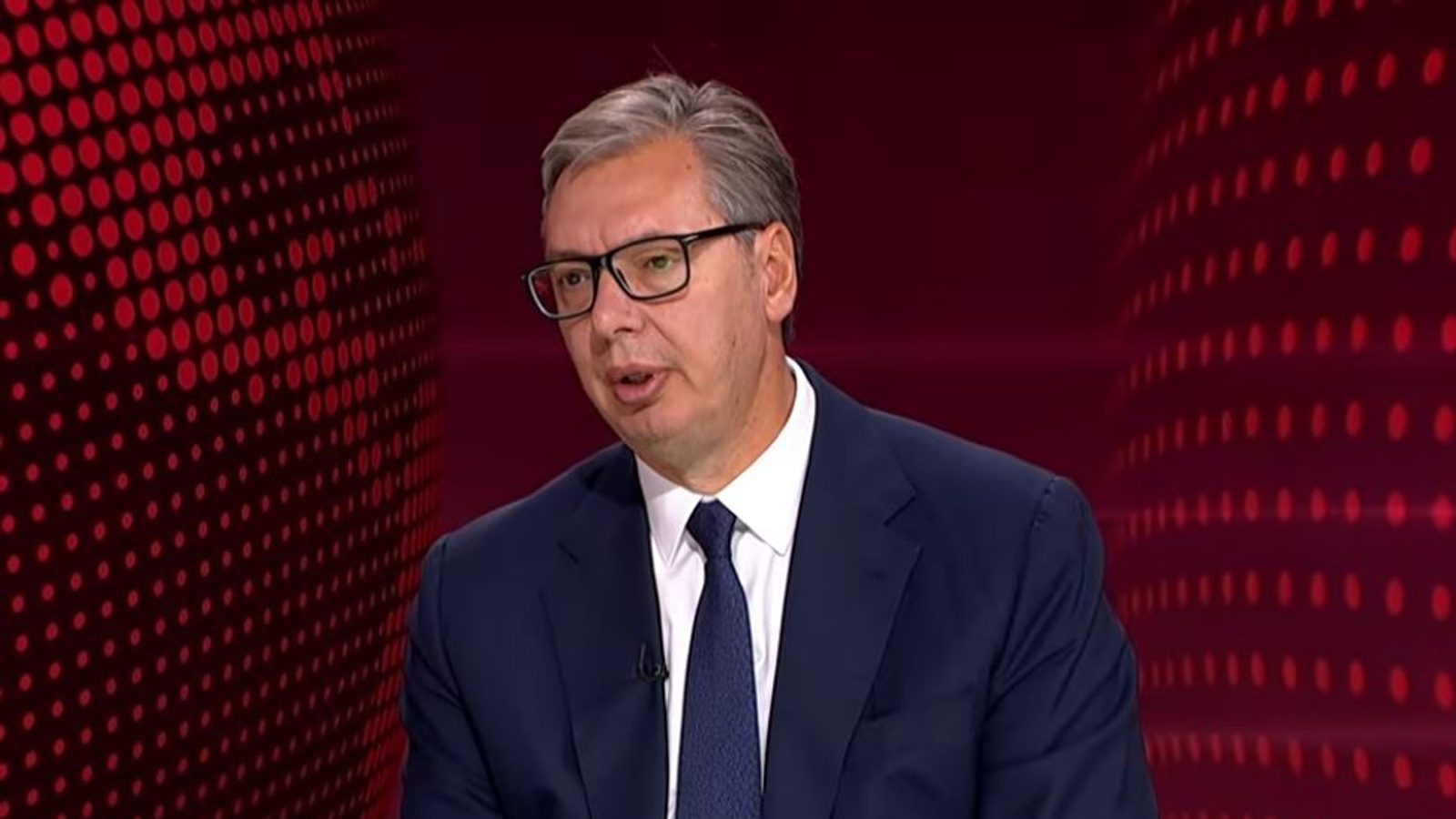
Aleksandar Vučić, head of the Serbian Progressive Party (SNS) parliamentary group in the National Assembly of Serbia, said on Monday that he personally favors his party not taking part in the upcoming presidential election, while stressing that the party will make a final decision at its assembly on December 13.
Vučić signals withdrawal preference but leaves final call to party
Speaking to Pink TV, Vučić said he is "more inclined not to give them that kind of legitimacy." He argued the boycott option would deny opponents a stamp of legitimacy at a moment he described as one of pressure on SNS supporters.
"Why would we do that while our people are being persecuted, harassed and intimidated? Still, it is entirely possible the party will take a different decision," he told the broadcaster, leaving open the possibility of a change in course before the December 13 assembly.
Vučić also criticized the Student List — which holds a majority in the National Assembly — saying their "only concern is how to harm someone they hate." He framed the contest with a broader political struggle rather than a routine electoral contest.
When asked about personal consequences, Vučić insisted he would not step aside. He warned that any attempt to detain him would prompt him to begin a hunger strike — a move he said would mobilize "a million people" to take to the streets. "And what will you do then, with a million people on the streets at the moment that happens? I am not like Marinika (Tepić) or Boško (Obradović), who play around eating pastries in the evening and fruit during the day. I have no problems. They thought I would run away or hide," he said.
Reflecting on SNS's recent electoral performance, Vučić said mistakes need to be acknowledged and suggested results can change in future contests. He cited a 2001 poll as an example, noting that in May of that year the Socialist Party of Serbia (SPS) had 13 percent support and the Radicals 4 percent, while a year later the Serbian Radical Party (SRS) reached 29 percent.
Photo: press material from the event