Fair Representation Law on hold — compromise or new political blockade this autumn?
Vredi urges talks, DUI calls the draft insufficient; dispute now also centres on which version of the Badenter majority is required.

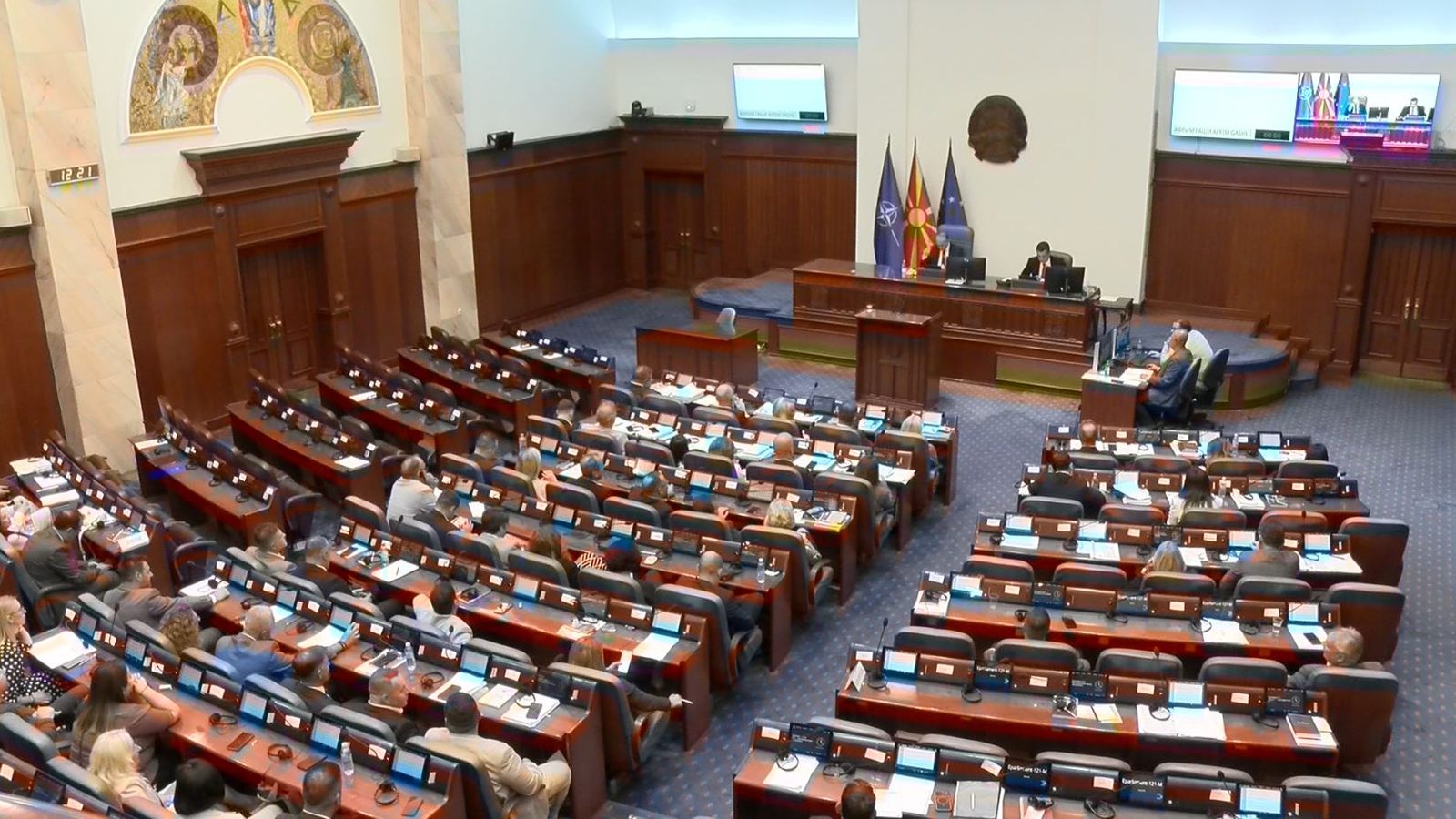
The parliamentary summer recess has left the draft Law on Appropriate and Fair Representation unresolved, and uncertainty is growing over whether authorities and the opposition can find a middle ground to replace the so-called Balancer with a permanent legal framework.
Dialogue remains stalled: the inter-party talks have not advanced, while Vredi — a coalition partner of the government — is urging constructive engagement ahead of the autumn session.
Positions harden as autumn approaches
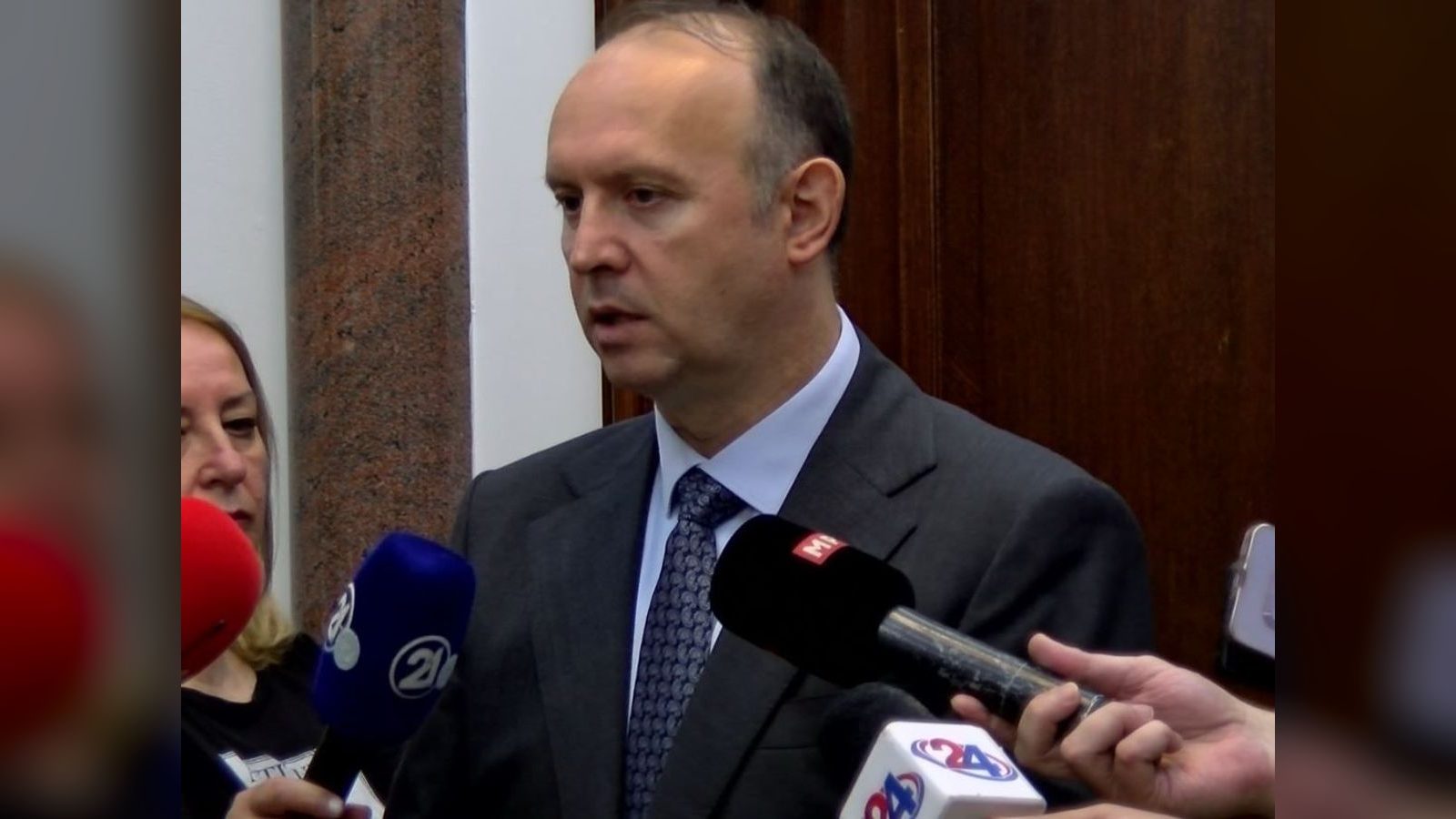
Vredi's party spokesman Driton Sulejmani told reporters that "we are ready to talk," and challenged opponents from the Democratic Union for Integration to stop blocking the process. He warned that talks must be reciprocal and that initiatives cannot be imposed from one side while the other only obstructs.
"Let's talk about these matters, but it must be mutual. We cannot only impose such initiatives, while on the other hand having only blockades. For us fair representation is important, but it is also important that the people who enter institutions produce good services for the citizens. We hope that DUI will stop the blockades which, unfortunately, it is making and is abusing the Badenter majority. And we hope that they will also be part of the vote," Sulejmani said, as spokesperson of Vredi.
The Integrative camp (DUI) rejects the bill as currently drafted, insisting it lacks binding guarantees. "After the amendments debate, in which not a single amendment was accepted, we remain of the position that we will not support this Law. We have stated the reasons many times: there are no ethnic quotas, no institutional mechanisms for its implementation and it does not contain sanctions for institutions that will not respect it," the Democratic Union for Integration responded.
In July there was an unsuccessful attempt to bring the law to a vote. Before the summer break the dispute shifted to the question of the Badenter majority — DUI demanded a "big Badenter," meaning a majority of the total number of MPs from non-majority communities, and claims the ruling parties lack support even for a "small Badenter." The government, however, has previously signalled that it intends to adopt the law with a "small Badenter" — a majority of non-majority community MPs present at the vote — even without backing from the integrative party.
The coming weeks before the autumn parliamentary sessions will be decisive: either the parties will bridge differences and return a revised bill to the floor, or the dispute will turn into a renewed legislative stalemate when deputies reconvene.
Photo: press material from the event