Bitola Partisan cemetery neglected as path, headstones and wall fall into disrepair
Access to the Partisan cemetery in Bitola is via a crumbling, cracked path; many headstones and the retaining wall are deteriorating.
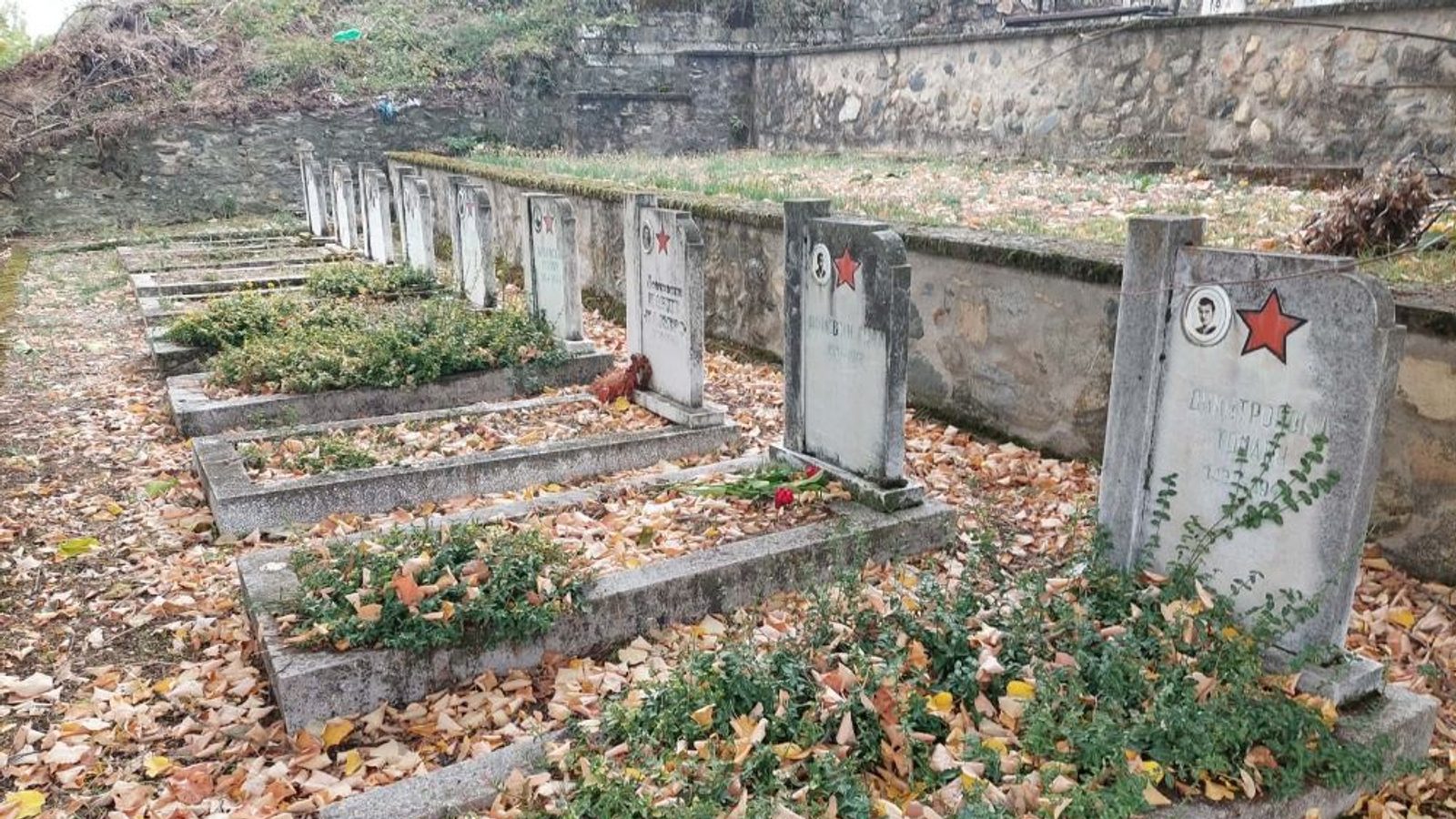
A cracked concrete path is currently the only practical access to the Partisan cemetery in Bitola, which contains about a hundred graves of fighters from the National Liberation and Anti-Fascist Struggle (NOB).
Aside from the first six-seven graves, most headstones are darkened, inscriptions have faded, and grave surfaces are covered with fallen leaves and, in places, overgrown with weeds. The supporting wall is in poor condition and parts of the stairs have been dislodged.
Other countries maintain their war cemeteries
Visitors and locals note the contrast between the neglected state of the Bitola site and the way neighboring countries look after their military burial sites. Bulgaria, Serbia, France and Germany keep their World War I cemeteries in order, observers say.
The Bitola cemetery’s deterioration raises questions about local upkeep and the preservation of sites that commemorate fighters from the NOB. With visible structural damage and botanical overgrowth, the area needs repair and regular maintenance to prevent further decline.
Residents say the site has historical and symbolic importance for the city, and argue that preserving it should be part of municipal and cultural heritage priorities. Without intervention, the physical condition of the graves and the legibility of inscriptions will continue to worsen.
Photo: SDK.MK)