Alta Bank closure leaves Russian entrepreneurs in Serbia locked out
Thousands of clients lost access to accounts; the state guarantees up to €50,000 while larger claims enter bankruptcy proceedings.
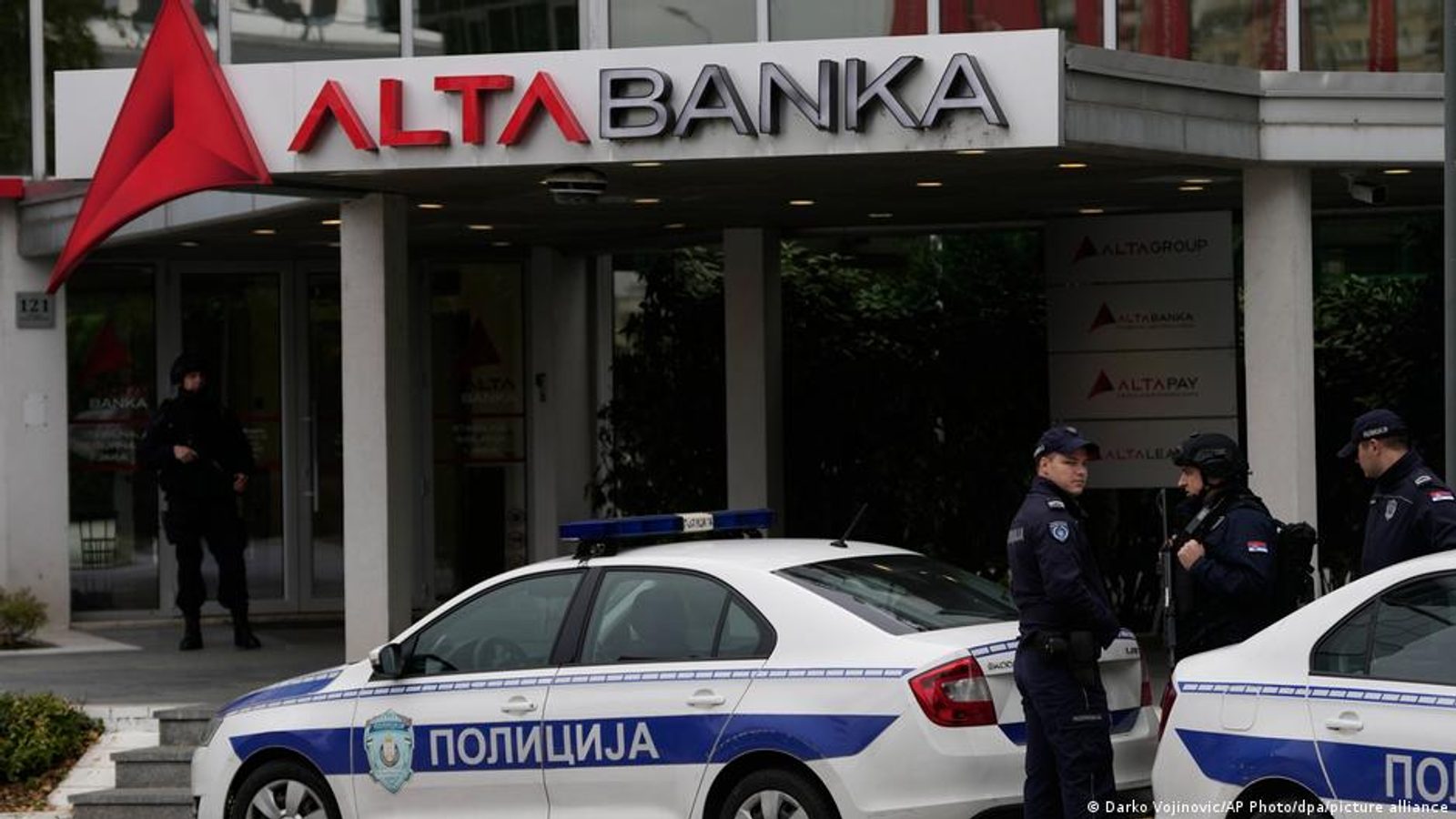
The shutdown of Alta Bank in Serbia has left thousands of clients without access to their money, hitting Russian residents and business owners in Belgrade especially hard. The bank lost its licence and was placed into bankruptcy after the National Bank of Serbia (NBS) revoked its permission to operate on November 6, 2026.
Andrey Mashutkin, a Russian‑Israeli entrepreneur who has lived and worked in Belgrade for three years, says his company’s account is frozen and he cannot use its funds. "Now we are simply blocked. We have no possibility to use the funds in the account," he told reporters. His firm supplies audiovisual and ICT equipment; although he managed to pay salaries to nine employees before the closure, he says business has since stalled because clients cannot transact with his company.
How will deposits be recovered?
The Serbian state guarantees deposits up to €50,000, which will be paid out via the Postal Savings Bank. Customers with balances above that limit must file claims through the bank’s bankruptcy proceedings for amounts exceeding the insured ceiling.
"The bankruptcy trustee assesses the bank's situation, determines how much can be returned and prepares a plan to satisfy creditors," explained Goran Radosavljević, a professor at the Faculty of Economics, Finance and Administration (FEFA). "That can be a relatively quick process, but it can also take years. It is hard to estimate how long everything will last until it is determined how much the bank really has."
The bank’s controversial owner, Davor Macura, has been detained and is suspected of having removed roughly €380 million from the bank's vaults, according to prosecutors. Alta Bank held only about a three percent share of Serbia’s banking market, but its sudden collapse—coming after the recent change in government—creates visible problems for many clients.
Many Russian citizens and businesses in Serbia relied on Alta because other major banks – mostly Western‑owned lenders such as Raiffeisen, OTP, Intesa and UniCredit – have intensified checks on the origin of funds amid sanctions on Russia. Estimates place the Russian community in Serbia at around 100,000 people with roughly 12,000 registered companies and entrepreneurial activities; it is not known how many held accounts at Alta.
"It took a long procedure of checks. We are still waiting for Raiffeisen to approve our application," Mashutkin said about attempts to open a new account. Some Russians told reporters they waited weeks or were turned down outright. One source who asked to be identified only as Bogdan said he and his acquaintances have been unable to open accounts in other banks and rely on cash and secondary markets for property deals.
Mashutkin also described concerns within the Russian community about surveillance and pressure: "Today in Russia you cannot say anything against the persecution of dissidents in relation to the war, and in a few minutes you can end up in prison. We are afraid that there are a number of members of the FSB in Serbia. They follow those people and can target their property and their relatives who live in Russia," he said.
Radosavljević warned that, while the closure should not threaten the overall stability of Serbia’s banking sector, repeated bank failures erode public and business confidence: "For the fourth time in just over two decades we are witnessing a bank closure, which certainly sends a bad signal to the market. I am not sure how long it will take to restore trust in the banking sector."
Photo: press material from the event