Why Russia and Ukraine are destroying bridges deep behind the front
Both sides increasingly hit bridges deep behind enemy lines to choke logistics, a move that complicates resupply and may signal expectations about future offensives.
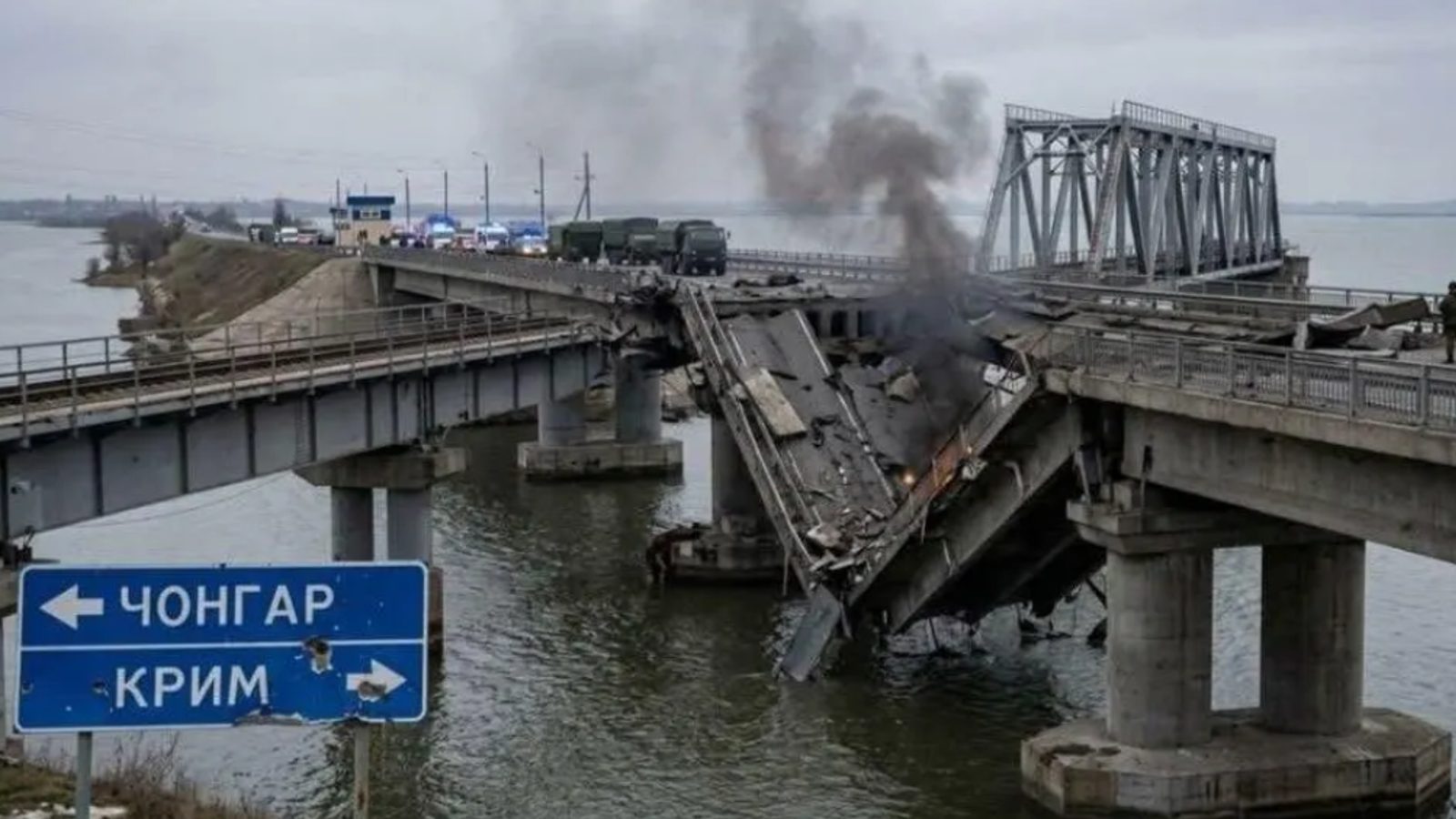
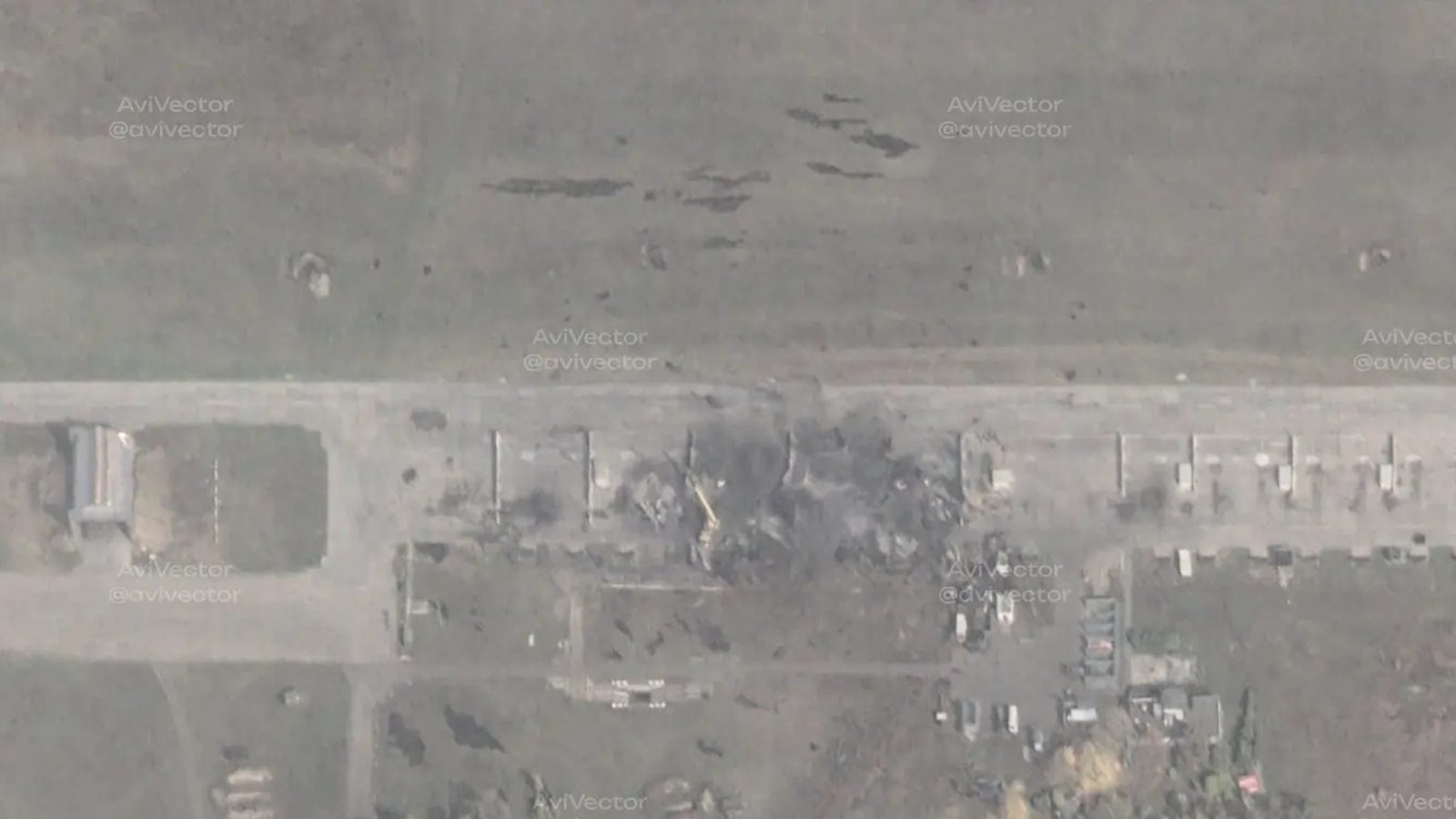
In recent months both Russia and Ukraine have stepped up attacks on bridges far behind the frontline, expanding a practice that has marked the conflict for years. The goal is simple but powerful: disrupt the enemy’s supply lines and make it harder to move fuel, ammunition and reinforcements to forward units.
Over the past four years both sides destroyed many bridges along the front to blunt offensives. Now those strikes are reaching deeper into rear areas, targeting road and rail crossings whose loss cannot be quickly fixed.
Why bridges matter
Bridges are among the most valuable and hardest-to-replace nodes in military transport networks. Unlike depots or convoys, bridges are fixed and visible, which makes them relatively easy to locate and hit; a single successful strike can stop the movement of hundreds of vehicles at once.
Both armies have limited capacity to erect military or pontoon bridges. They have lost much of their engineering and bridging equipment over the course of the war, particularly during attempts to cross large rivers such as the Siverskyi Donets and the Oskil. As a result, replacing a destroyed bridge is often lengthy and complex, and frontline units sometimes must improvise temporary crossings with whatever materials are at hand.
When a key road or railway crossing is taken out, traffic is pushed onto alternative routes. That lengthens resupply missions, cuts the daily volume of supplies that can reach front units, raises fuel consumption and vehicle wear, and makes the remaining routes more predictable—easy targets for drones and long-range strike systems. In a war of attrition these cumulative effects increase the cost of sustaining operations.
The shift also carries a political and operational message: by destroying infrastructure that would be needed for large future offensives, each side may be signalling it does not expect a major breakthrough soon. The tactic has been mentioned regularly in official lists of strikes by the Russian Ministry of Defence. Speaking about the operation aiming at Konstantinovka, the deputy commander of an assault detachment from the 10th Tank Regiment said that Russian forces “they are destroying their bridges and cutting off their supply.”
Photo: press material from the event