Starlink's strategic role for Ukraine and the threat of service limits
The SpaceX service links frontline units, live drone video and Western intelligence — but reported limits and throttling could disrupt missions.
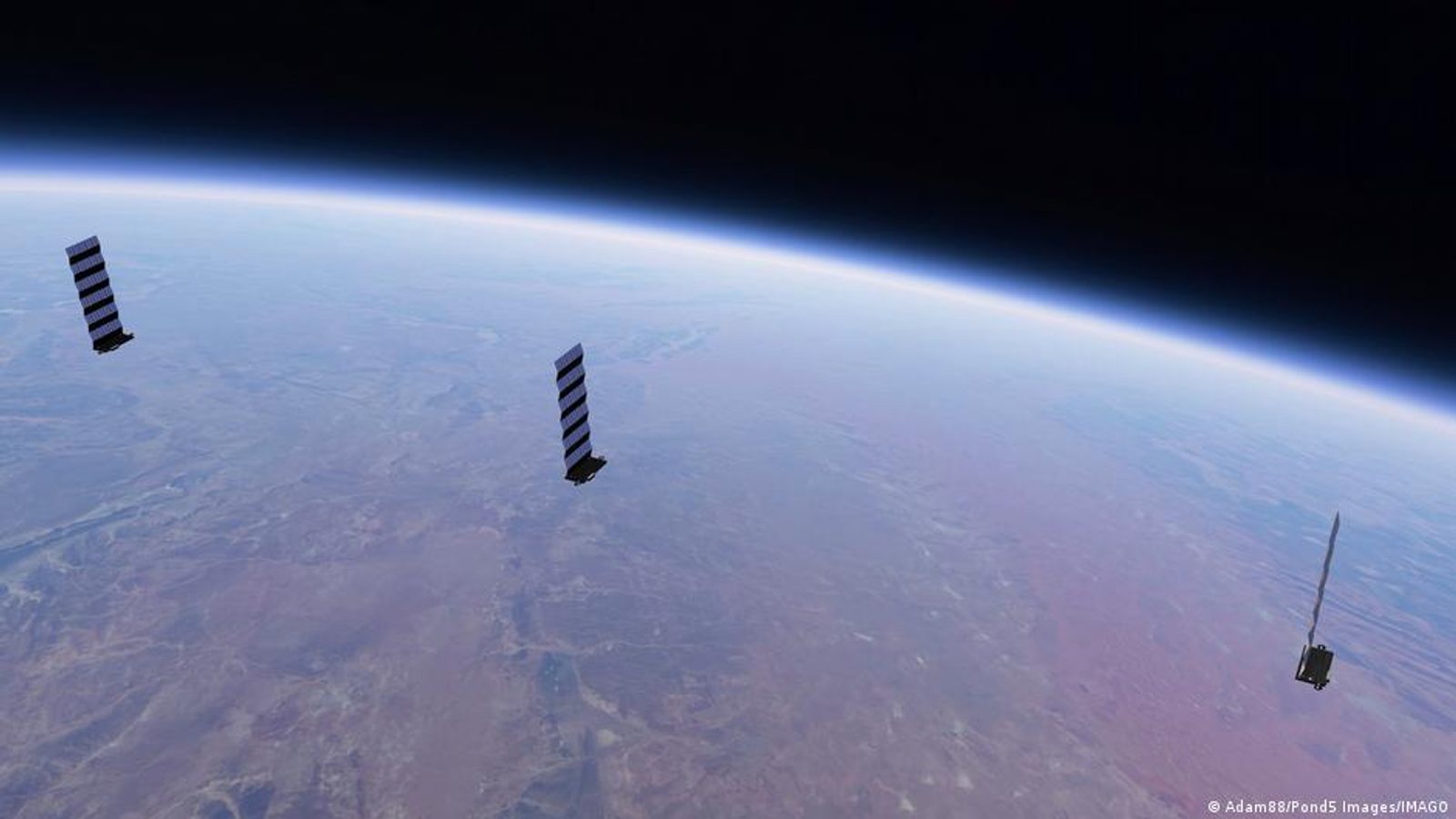
Starlink has become a central pillar of Ukraine’s defense architecture, linking frontline units, intelligence feeds and drone operators across battlefields where terrestrial networks have been destroyed.
How the system is used on the ground
Since Russia’s full‑scale invasion in 2022, Ukrainian forces have relied heavily on the satellite internet service provided by SpaceX. By 2025, analysts at ETH Zurich estimated that about 50,000 Starlink terminals were in use inside Ukraine. Those terminals carry voice and data between command levels and transmit live video from unmanned aerial vehicles to operators and artillery units.
The commercial Starlink service is technically distinct from Starshield, a variant tailored for government and military customers. Starshield uses the same basic infrastructure but is configured with additional security and control features. Elon Musk has said that Starshield systems are under control of the US government, while Starlink remains a commercial service provided by SpaceX.
One operational vulnerability that has emerged in recent months is bandwidth and connectivity management. Ukrainian outlets have reported temporary throttling of terminals and limits tied to motion — specifically speeds of 110 and 160 kilometres per hour have been mentioned. If those restrictions are enforced in practice, they would directly affect fast, long‑range drones that can reach speeds near 300 kilometres per hour: loss of a live feed or a control link would force some missions to continue “blind.”
Beyond sustaining communications, Starlink is a transit layer for Western intelligence and targeting information used in counter‑air operations and long‑range drone strikes. Analysts point out that the value of Starlink rises when real‑time reconnaissance, satellite imagery and signals intelligence from NATO partners are combined with the service’s low‑latency links to units in the field. Reports that US intelligence is becoming less available have therefore caused as much concern as any potential Starlink restriction.
Alternatives exist in Europe — operators such as Eutelsat and OneWeb — but their capacity and resilience under combat conditions have not been tested at the same scale. The reliance on a single dominant commercial supplier highlights how modern warfare increasingly depends on private technology platforms and the strategic risks that follow.
Photo: press material from the event