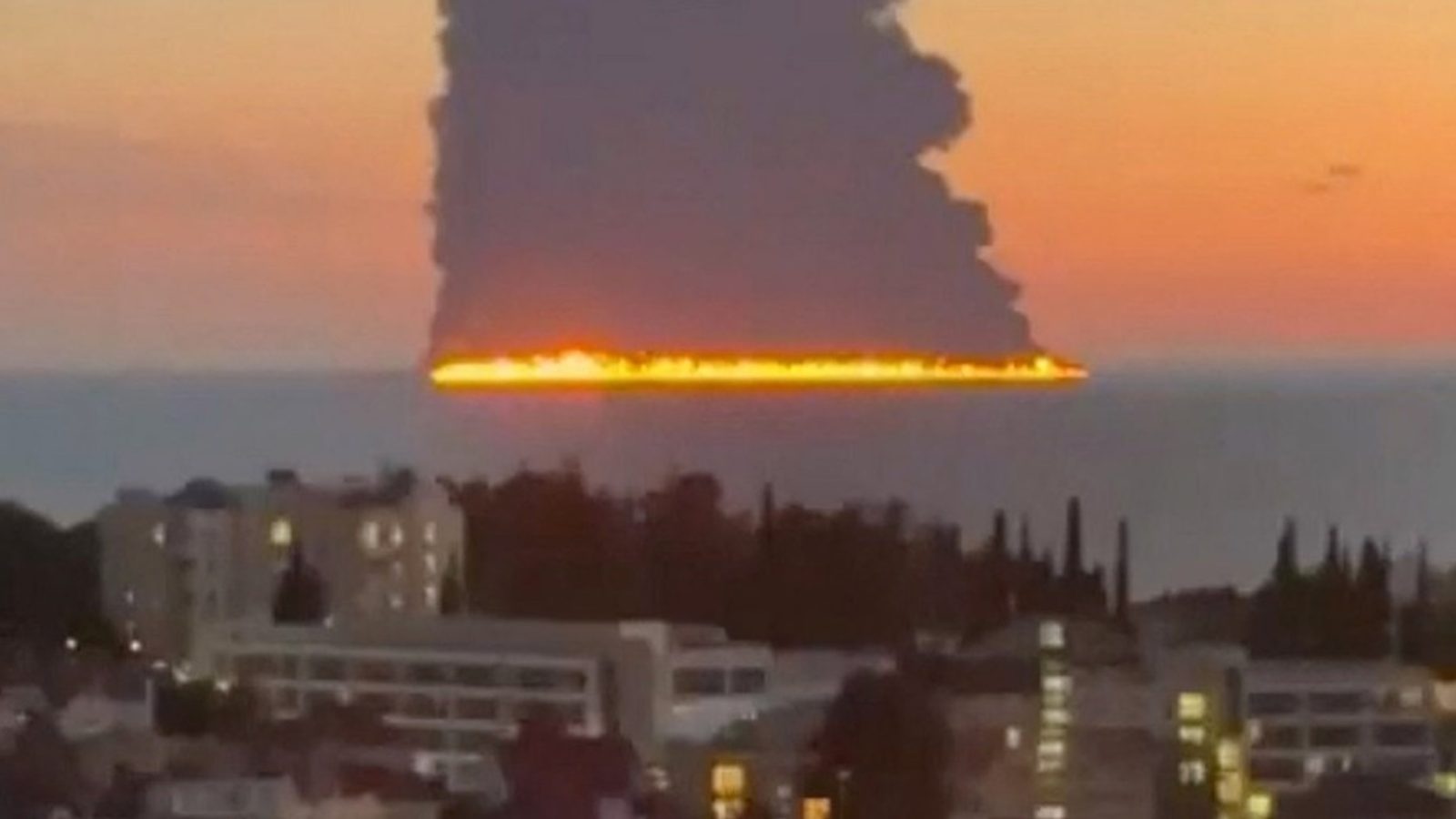
Why Ukraine has stepped up strikes on Russian Black Sea ports
Drone strikes on Novorossiysk and other Black Sea facilities have disrupted grain and oil shipments, forcing some terminals to halt operations and pushing exporters to seek costly alternatives.
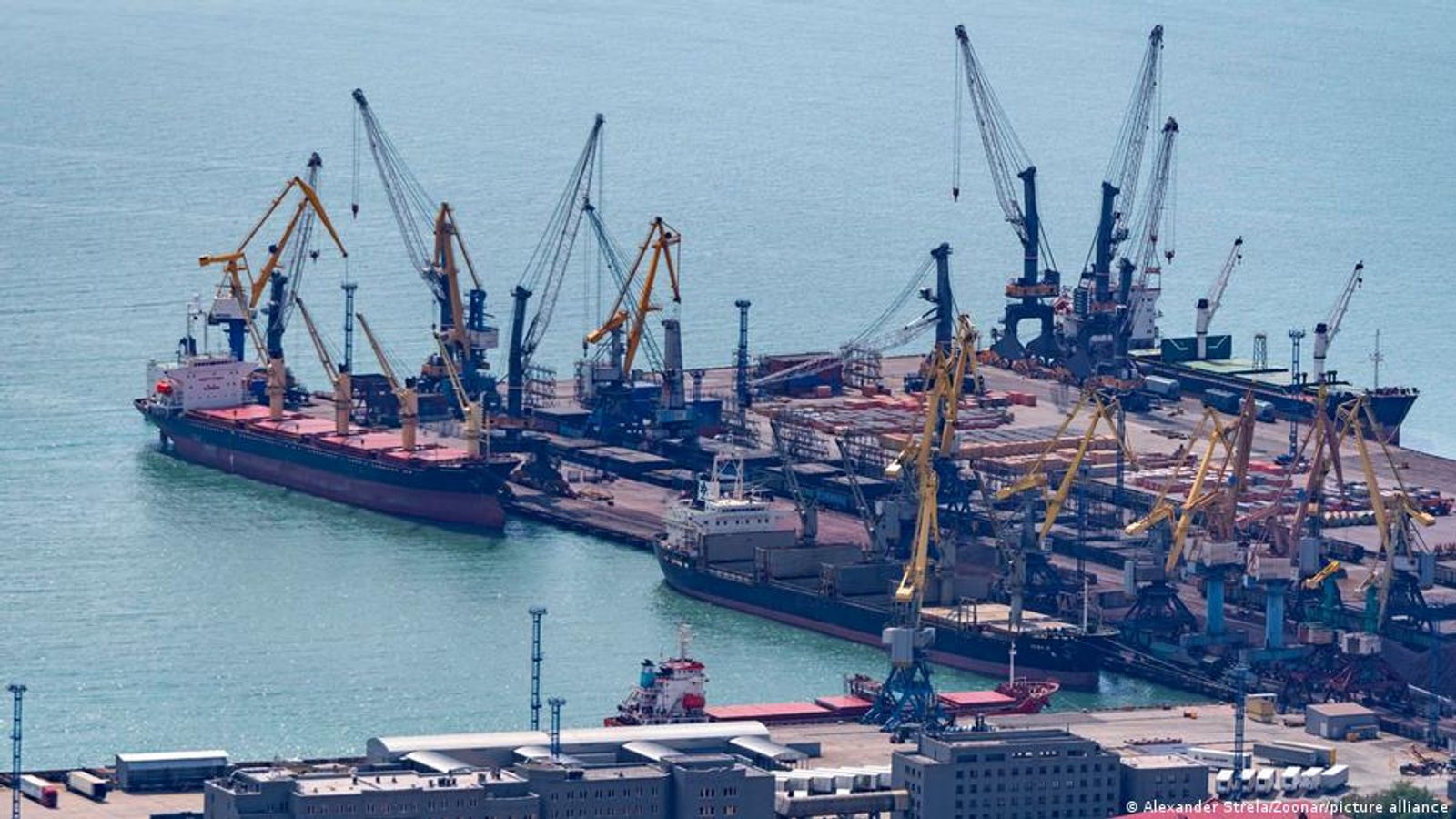
Ukraine has intensified strikes on Russian Black Sea ports, targeting the infrastructure that channels the country's bulk exports. The attacks, carried out with aerial and naval drones, have disrupted shipments of grain and oil and shaken logistics hubs such as Novorossiysk.
From strategic port to strained export route
Novorossiysk is Russia's largest Black Sea commercial port by volume and a principal outlet for grain, oil, metals and containerised cargo. Around one third of Russian grain currently leaves the country through this port thanks to its proximity to major agricultural regions; oil and other commodities also flow to global markets via Novorossiysk.
In recent weeks Ukrainian drone strikes damaged grain-handling infrastructure and forced temporary closures at major facilities. On 12 August the Novorossiysk baking complex and a grain terminal stopped operations, and the largest deep-water grain terminal, KSK, halted the following day. By late July the terminal at Taman had also ceased operations, while earlier strikes had disabled shallow-draft Azov Sea ports.
"Thus, the entire export of Russian grain through the Azov–Black Sea basin is practically blocked," warned Andrej Sisov, director of the agricultural consulting and research agency SovEcon, reporting the stoppages on his Telegram channel.
Grain is bearing the brunt: although oil exports have not been fully halted, they suffer repeated interruptions. The Shesharis oil transshipment terminal — with capacity near 700,000 barrels per day — was forced to suspend operations on 14 August and only resumed two days later. Argus Media estimates that Russia could still place about 45 million tonnes of wheat on world markets in the 2026/27 export season, but a sustained blockade of Black Sea routes would seriously jeopardise that outlook.
Global markets are already feeling the impact. "Due to logistical disruptions, the large wheat harvest in Russia and in Ukraine is effectively cut off from the world market," said Sjaodzhi Deng of Argus Media. Analysts note that some exporters are rerouting shipments via Baltic ports such as Primorsk and Ust‑Luga or using Danube terminals, but these alternatives cannot fully replace traditional Black Sea corridors and raise transport costs.
Data from the Centre for Research on Energy and Clean Air (CREA) in Helsinki show that during the first two weeks of August roughly 30 percent less oil was transshipped via Novorossiysk compared with the same period last year, following a drone strike on the Caspian Pipeline Consortium terminal on 19 July. Isak Levi, an analyst at CREA, warned: "If current constraints remain until the end of August, it will become increasingly difficult for Russia to simply postpone shipments in the hope of making up losses later." He added that some carriers are refusing to berth in ports that are frequent drone targets.
The Kremlin has rejected proposals for a ceasefire in the Black Sea, and there are no signs the pressure on Russia's maritime export nodes will decrease soon. The ultimate economic impact will depend on how long the strikes continue and on Russia's ability to repair damaged facilities and shift volumes to alternative routes.
Photo: press material from the event