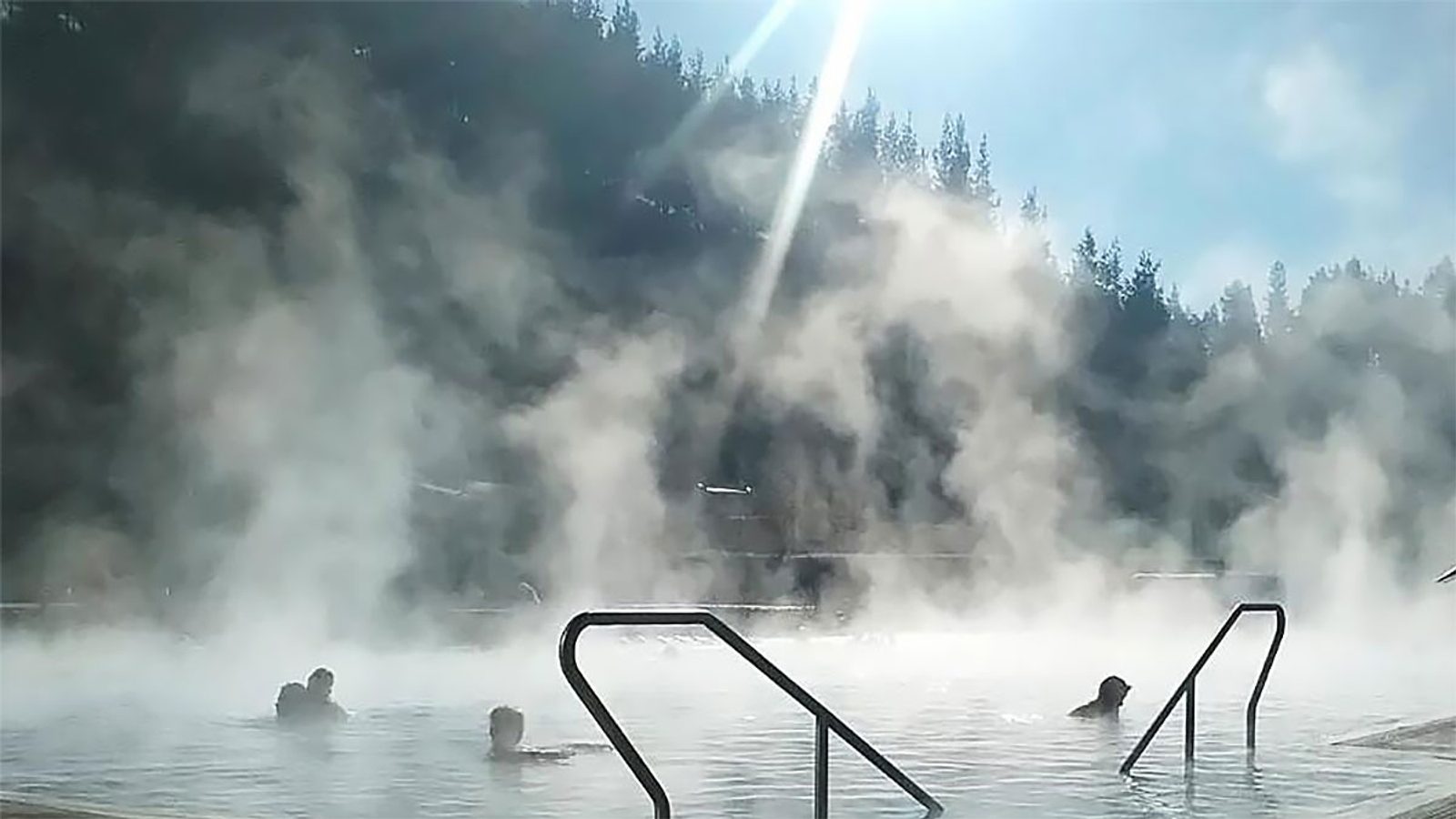
Zvonačka Banja near Zvonce: a high‑altitude spa with 28°C thermal springs
A thermal-mineral spring at 670 m with 28°C water, historic Roman remains and natural attractions within hours of North Macedonia.
Just a two-hour drive from North Macedonia lies a little-known spa in southeast Serbia: the village of Zvonce and the nearby Zvonačka Banja sit high on the wooded slopes of Vlaska Mountain, making them among the region's highest spa settlements. The village itself stands at 630 metres above sea level, while the thermal springs of Zvonačka Banja are located at 670 metres.
Archaeological finds and remnants of a Roman bathing pool show that the thermal waters were used already in antiquity, and the site remained known through the medieval period. The modern spa complex was restored in 1912 following early 20th-century investigations that uncovered Roman coins.
Scientific analysis of the springs carried out in 1976 recorded a natural temperature of 28 degrees Celsius and a flow rate of 9 litres per second. The mineral-rich water — used for both bathing and drinking — contains magnesium, calcium, iodine, strontium, barium, copper and phosphorus.
Health claims and facilities
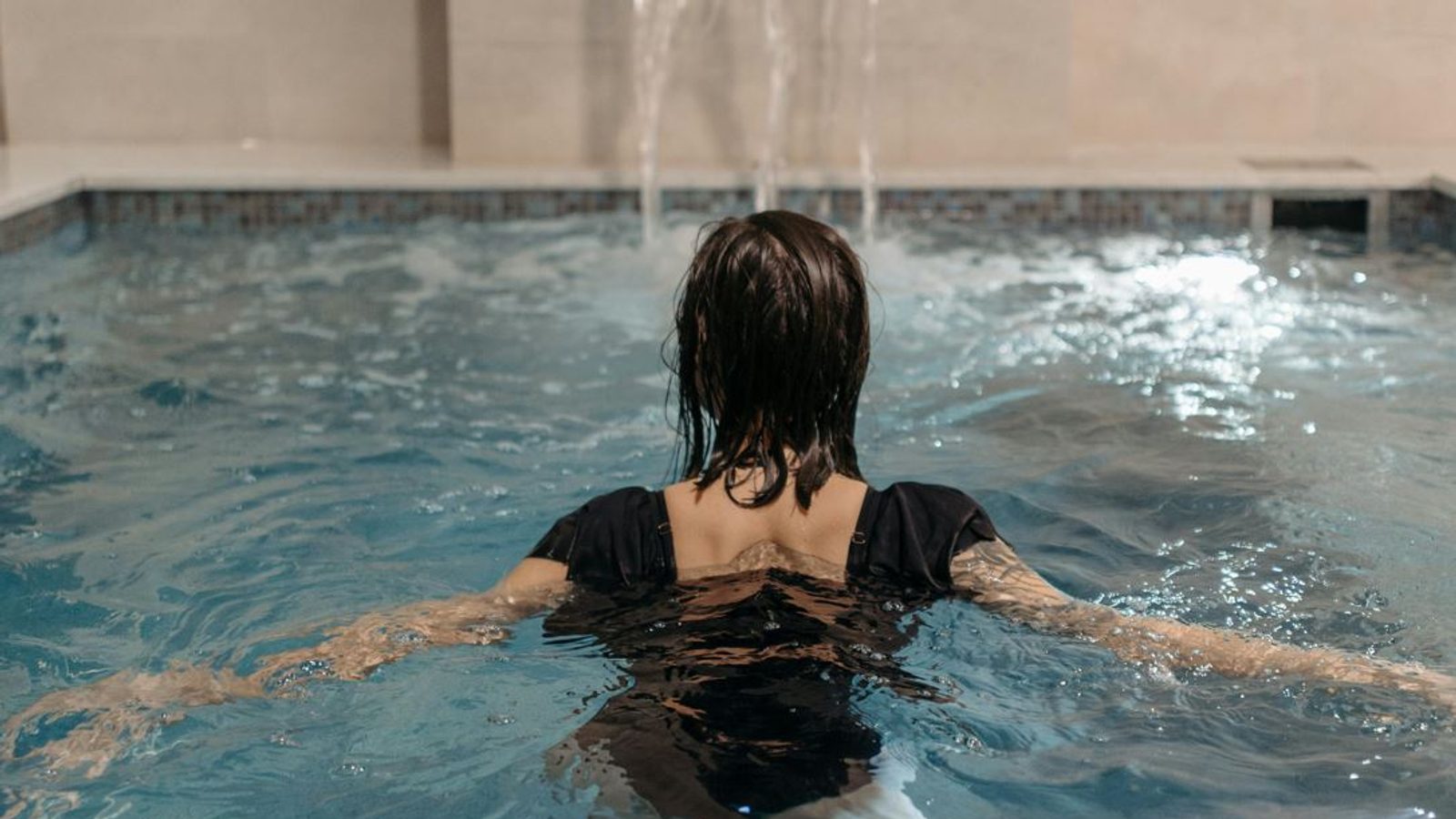
Traditionally, stays and bathing in Zvonačka Banja are considered helpful for disorders of the locomotor system and rheumatism; for nervous conditions and stress relief; for blood-pressure and peripheral circulation problems; and for complaints associated with the climacteric. Visitors can use two outdoor pools that belong to the former hotel "Mir", continuously supplied with flowing thermal-mineral water at 28 degrees.
The spa’s surroundings are a major part of its appeal. Nearby the settlement rises the limestone ridge Asenovo Kale (1,032 metres), a nesting site for rare birds locally called "suri orli". Close by is the striking Vatrena Dupka cave, with underground channels extending for kilometres, and the dramatic canyon of the Jerma river, whose vertical cliffs reach up to 300 metres; a narrow spot there is known locally as Cedalka (Cediljka).
Religious and cultural visitors can reach the Sukovo monastery and the famed medieval Poganovo monastery, built at the end of the 14th century as the foundation of Konstantin Dejanovic Dragash, grandson of Serbian tsar Dusan. Because of the inaccessible terrain, Poganovo was largely spared historical destructions and since 1949 has been protected by the state as a cultural monument of great importance.
Photo: press material from the event