23 October — Day of the Macedonian Revolutionary Struggle: commemorations and state awards
Ceremonies in Skopje include a theatrical academy and the state "23 October" awards; the date recalls IMARO’s 1893 foundation and the 1903 uprisings.
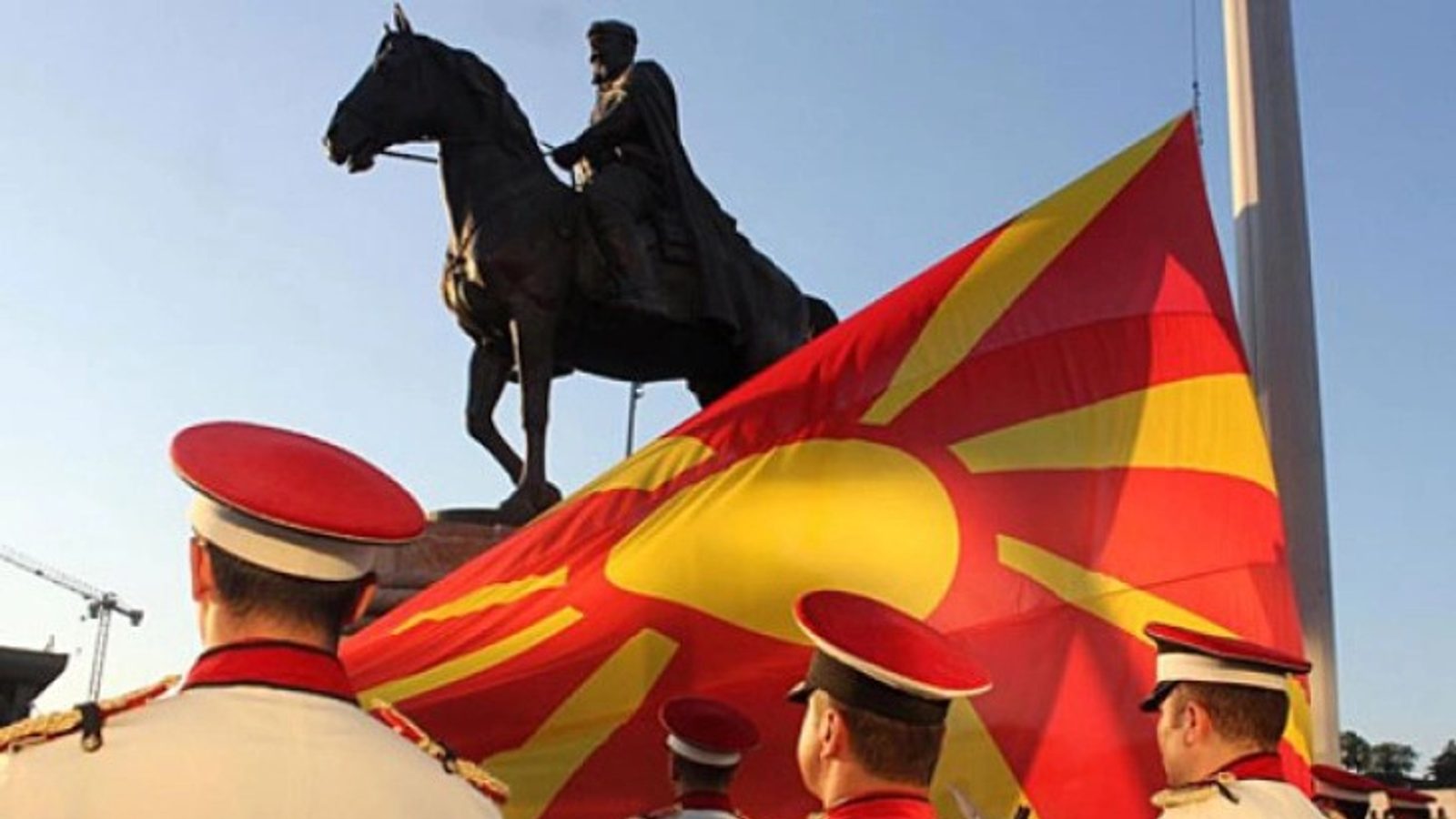
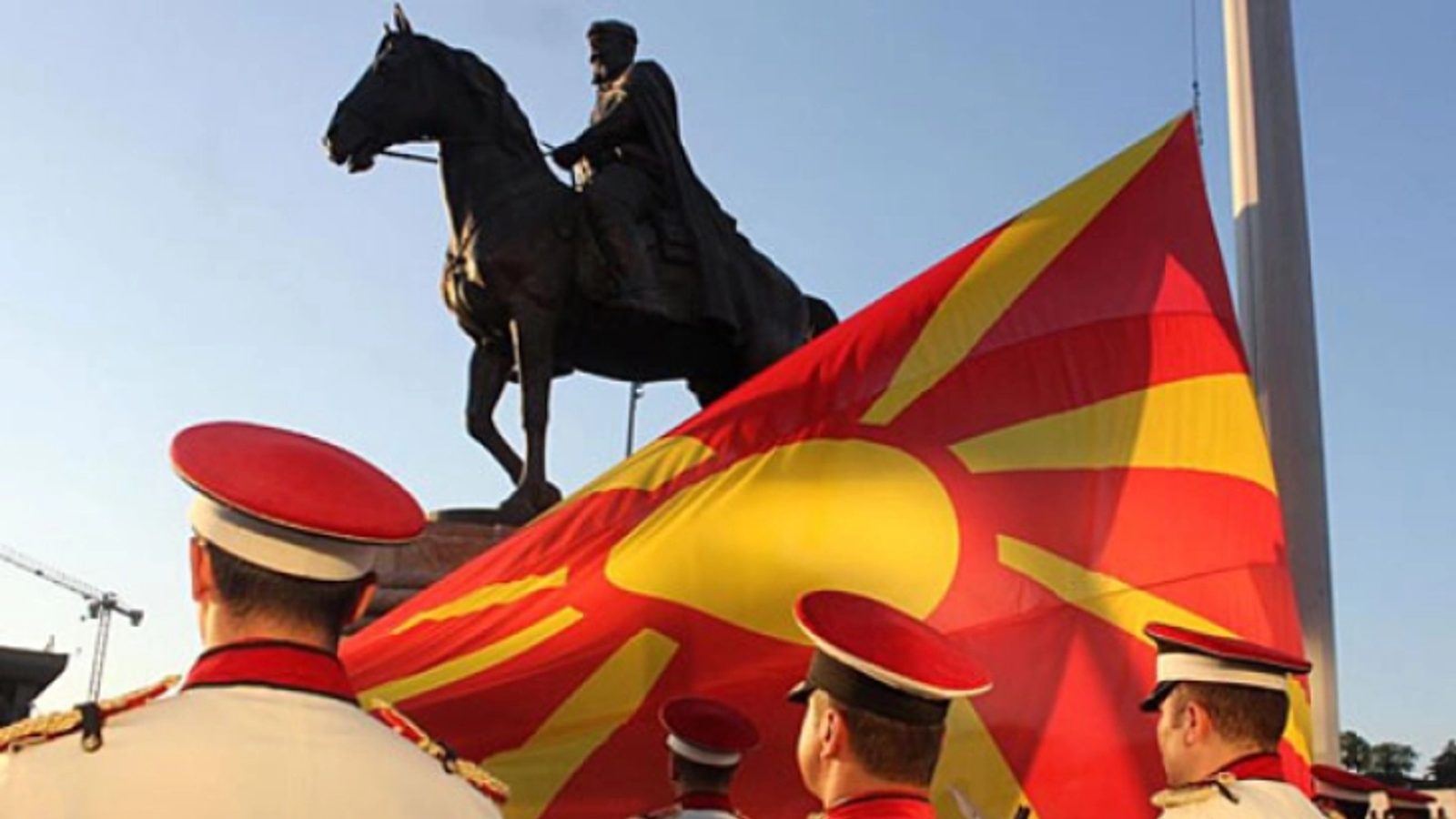
North Macedonia marks 23 October as the Day of the Macedonian Revolutionary Struggle, commemorating the foundation in 1893 of the Internal Macedonian-Adrianople Revolutionary Organization (IMARO), created to seek autonomy for Macedonia through revolutionary means.
Commemorations and state awards
On the anniversary, a ceremonial academy titled "What's Rightfully Ours!" is scheduled at the National Macedonian Theatre in Skopje. In the Crystal Hall of the Assembly of the Republic of North Macedonia, at 11:00 this morning, the state award "23 October" for 2026 will be presented for long-standing achievements in science, culture, education, protection of state interests and promotion of national priorities and cultural-historical heritage.
The award for achievement in culture and the arts goes to Gjorgji Jolevski, actor. The prize for achievement in science is being awarded to prof. dr. Stojko Stojkov, historian, and prof. dr. Viktor Lilchik Adams, archaeologist.
Outside North Macedonia, a cultural-historical event dedicated to the day was held in the Macedonian Cultural-Informational Centre in Sofia on Wednesday evening. The program, titled "In the Light of the Free", focused on the historical processes that shaped the Macedonian revolutionary movement, ideals of freedom and dignity, and the life and work of Dame Gruev, one of the founders of the movement later known as VMRO.
The original organization was established on 5 November 1893 (23 October in the old calendar) in the house of the bookseller Ivan Hadzhi Nikolov in Thessaloniki. Founding members present at the meeting included: D-r Hristo Tatarchev, a physician from Resen; Dame Gruev, a teacher from the village of Smilevo (Bitola region); Petar Pop Arsov, a teacher from the village of Bogomila (Veles region); Ivan Hadzhi Nikolov, a bookseller in Thessaloniki originally from Kukush; Anton Dimitrov, a teacher from the village of Ajvatovo (Thessaloniki region); and Hristo Batandzhiev, a teacher from the village of Gumenja (Enidzhe Vardar region).
Students and young intellectuals played a central role in spreading the organization’s ideas. Circles and clandestine groups formed in the Thessaloniki Bulgarian Male Gymnasium, and emissaries went to villages across Macedonia and Adrianople Thrace to organize local committees, later forming armed bands and procuring arms through illegal channels from Bulgaria and Greece. The movement’s activities culminated in the Ilinden Uprising in 1903 in Macedonia and the Preobrazhenie (Transfiguration) Uprising in Adrianople Thrace.
Photo: press material from the event