29 November: Saint Matthew and the Commemoration of Gregory Palamas’ Family
29 November marks the feast of the former tax collector Matthew and the commemoration of Saint Gregory Palamas’ family, with liturgical troparia and fasting guidance.
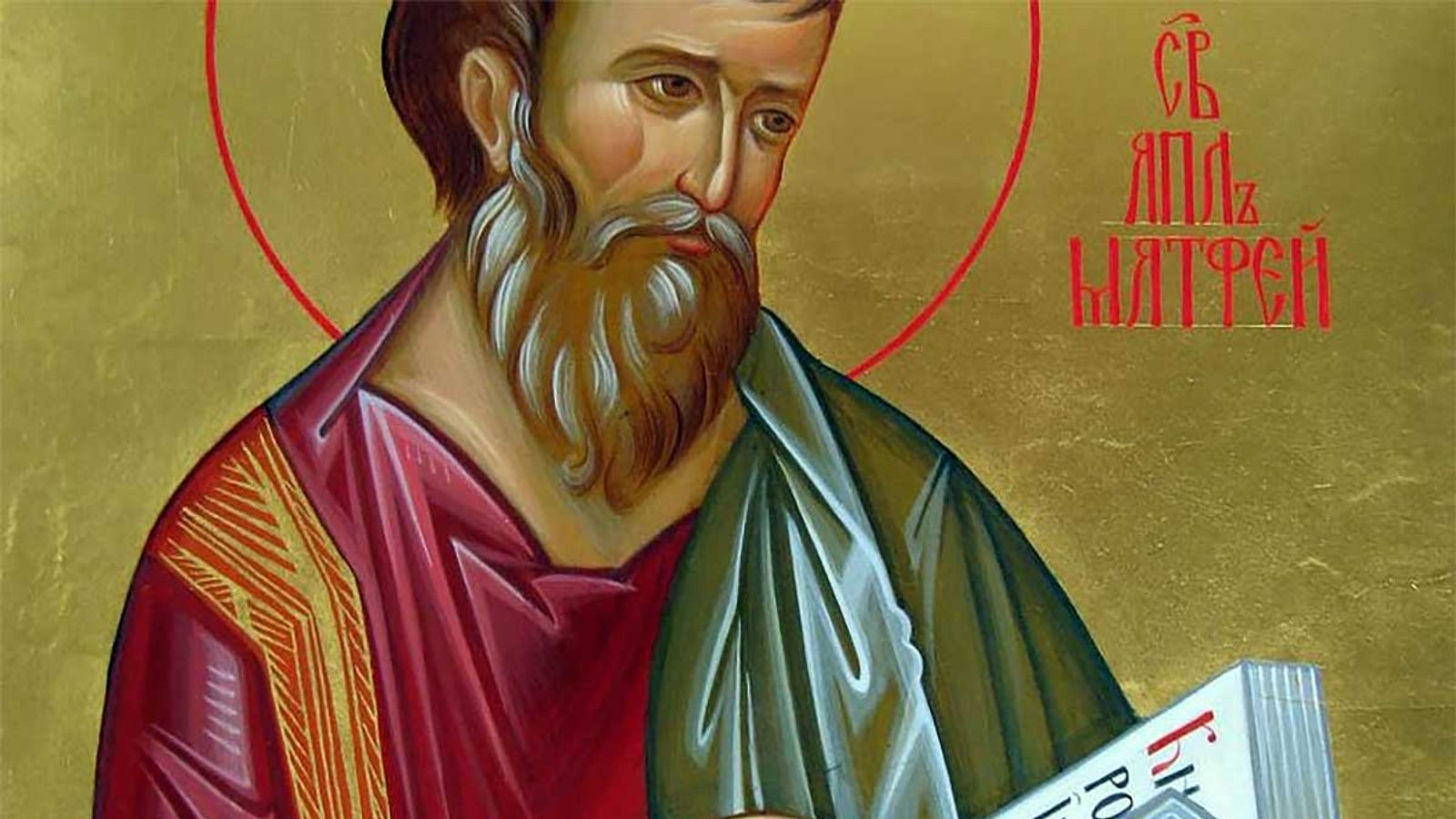
On 29 November the Orthodox Church marks the feast of Saint Matthew the Apostle and Evangelist, remembered across the region both as a former tax collector and as the patron of customs officers, bankers, accountants and tax collectors. The day also includes the commemoration of the family of Saint Gregory Palamas during the liturgical week that follows.
From customs official to Gospel writer
According to tradition, Matthew (son of Alphaeus) served as a customs officer in Capernaum before answering Christ’s call. He left his former livelihood, became one of the Twelve Apostles and is credited with composing the first Gospel. Because of his earlier profession, Matthew is traditionally invoked as protector of those who work in customs, finance and bookkeeping, and his name is celebrated as a household patronal feast and name day for people named Matthew, Mattea, Mate and similar variants.
Customs observed on this day encourage reading a passage from the Gospel of Matthew, settling outstanding debts and practising restraint in food; church tradition notes that the saint sustained himself on fruit and vegetables and abstained from meat. The liturgy for the day preserves a tropar that asks for forgiveness and spiritual protection. Tropar: "From the customs post you zealously turned to the call of the Lord Christ, who in His goodness appeared on earth among men; following Him you proved yourself a chosen apostle and a mighty herald of the Gospel throughout the world. Therefore we honor your venerable memory, O God-speaking Matthew. Pray that the Merciful God grant forgiveness of the sins of our souls."
The accounts hold that after Pentecost Matthew preached in many lands, including parts of these regions, and that in Ethiopia he endured sufferings and wonders before giving his life for the faith.
The same day the Church commemorates the members of Saint Gregory Palamas’ family—his parents, Saint Constantine and Saint Kali, his brothers Macarius and Theodosius and his sisters Theodotia and Epicharis—who followed lives of prayer and monastic dedication. The father, though serving at the imperial court, was known for his contemplative prayer and eventually took monastic vows; the mother first grieved Gregory’s decision to enter monastic life but later blessed him and herself embraced the monastic calling. As the hagiography records, she urged her children to follow the path of monasticism and could say the prophet’s words: "Behold me and the children whom God has given me" (Isa. 8:18).
Several of Gregory’s siblings joined him on Mount Athos or entered convents in Constantinople and Thessaloniki; in 2009 they were added to the diptych of saints. A liturgical tropar honours their shared vocation: "Kali, virtuous mother, sober-minded Constantine, great ascetic and God-seer, Archbishop Gregory, Epicharis, bride of Christ, venerable and wise Theodota, Theodosius and Macarius, holy ones, we sing of your deeds; glory to Him Who crowned you, glory to His uncreated and eternal light of deification, which shone through you."
Readers should note that the Nativity fast began on 28 November and runs until Badnik on 6 January, with Christmas celebrated on 7 January. The canonical observance prescribes abstaining from animal products and calls for spiritual renewal through prayer, repentance and good works; specific dietary customs vary by weekday and health considerations and pastoral guidance should be followed. Many believers also use the short Jesus Prayer throughout this season: "Lord Jesus Christ, Son of God, have mercy on me."
Photo: press material from the event