Saints Faith, Hope and Love and their mother Sophia — feastday traditions on September 30
Orthodox feast on September 30 honours Saints Faith, Hope and Love and their mother Sophia; customs include candles, a shared loaf and acts of charity.
On September 30 the Orthodox Church marks the feast of Saints Faith, Hope and Love and their mother Sophia; the day is also popularly treated as a traditional "women's day" that celebrates family hearth, maternal wisdom and perseverance of Christian values.
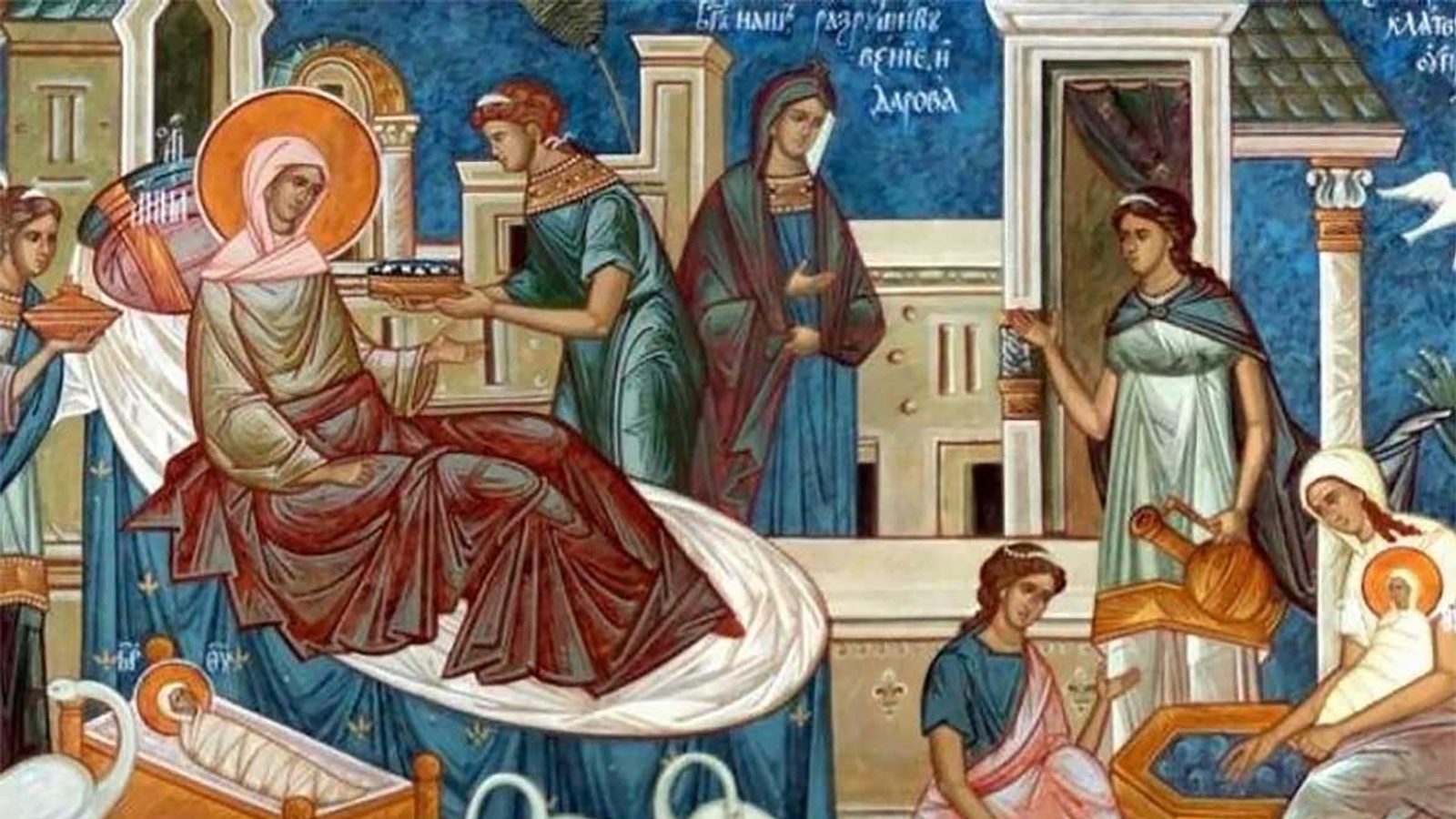
The story goes back to the second century in the Roman Empire. A devout widow named Sophia raised her three daughters in the Christian faith and gave them the names of the three chief Christian virtues. When the emperor Hadrian learned of their belief he ordered them to renounce Christ and worship pagan idols. The daughters resisted; the eldest was only around 12 years old, and all three were subjected to severe tortures and executed in front of their mother.
Prayers and meanings connected to the day
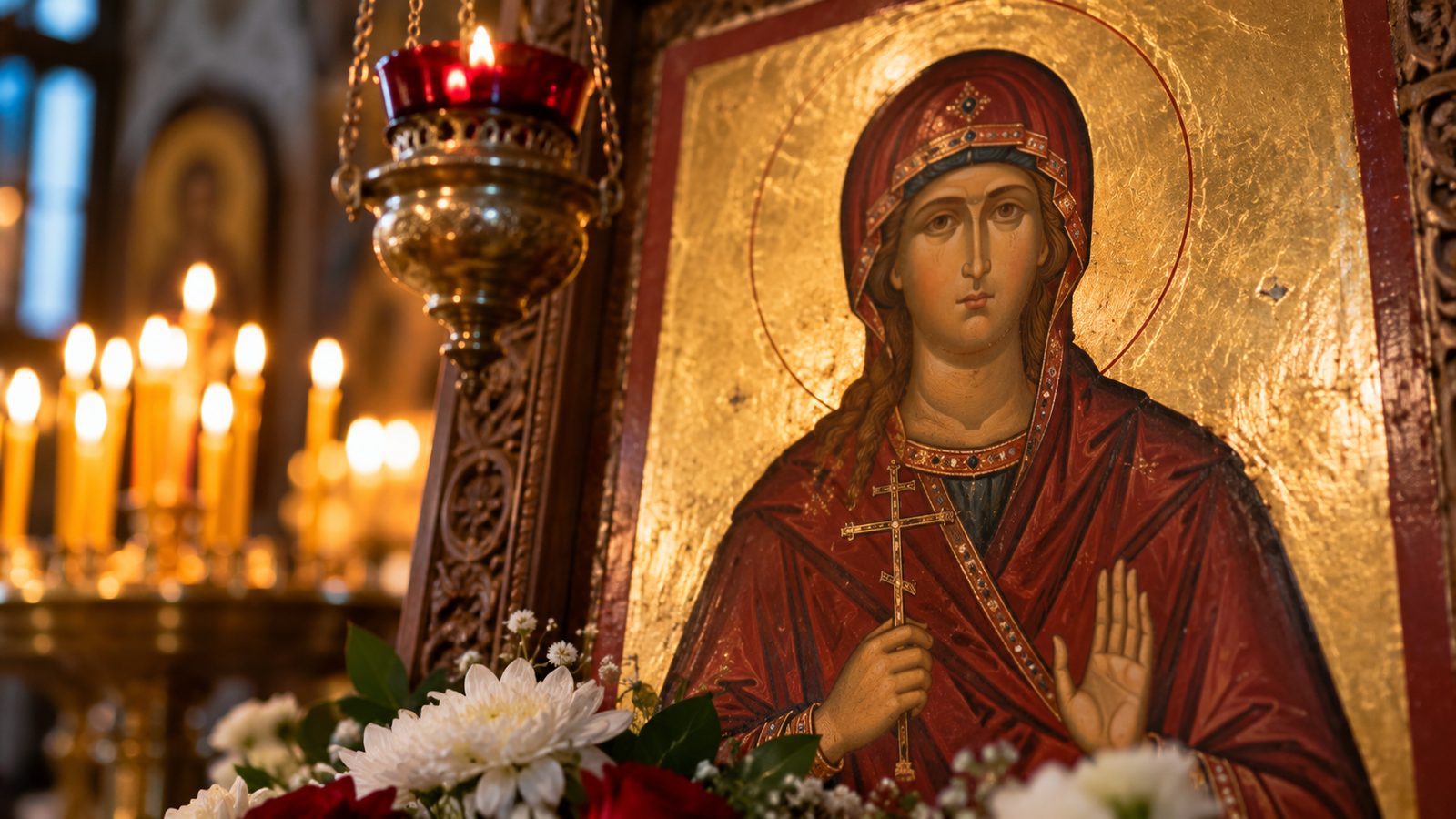
Believers turn to the saints with particular petitions: for the health of the household, for stronger marital ties and for harmony at home. Saint Faith is invoked for strength in trials and steadiness of spirit; Saint Hope is sought in times of despair, depression or loss of meaning; Saint Love is asked to bring inner peace, to soften anger and to foster mutual understanding. Saint Sophia is honoured as a model of maternal devotion and prayed to for divine wisdom in raising children and for protection of motherhood.
Traditional observances include lighting three candles before an icon of Jesus: two are left in the church while a third is taken home by a woman and placed at the centre of a baked round loaf (pogacha). A family prayer for peace and prosperity is read over that bread, which is then shared among relatives.
Folk belief holds that the aroma of home baking and a generous table attract abundance: if a family is fed and joyful on this day, the home will enjoy peace for the year ahead. Hospitality and charity are emphasised — inviting guests, caring for neighbours and helping the poor and lonely are seen as ways to win blessing.
Customary prohibitions are also part of the observance: people are advised to avoid heavy physical work and thorough house cleaning, historically a day of rest from arduous chores for women. Needles and threads are traditionally not to be used, lest they invite tears and hardship. Quarrelling, swearing or showing malice or envy is sharply discouraged; leftovers from the feast should not be thrown in the rubbish but given to domestic animals or birds to prevent scarcity.
Wishing everyone observing the day a peaceful and blessed September 30.
Photo: press material from the event