AfD criticizes the German embassy in Skopje over funding of queer theatre
AfD demands answers about a grant it says the German embassy in Skopje paid for, but the records show a different picture.
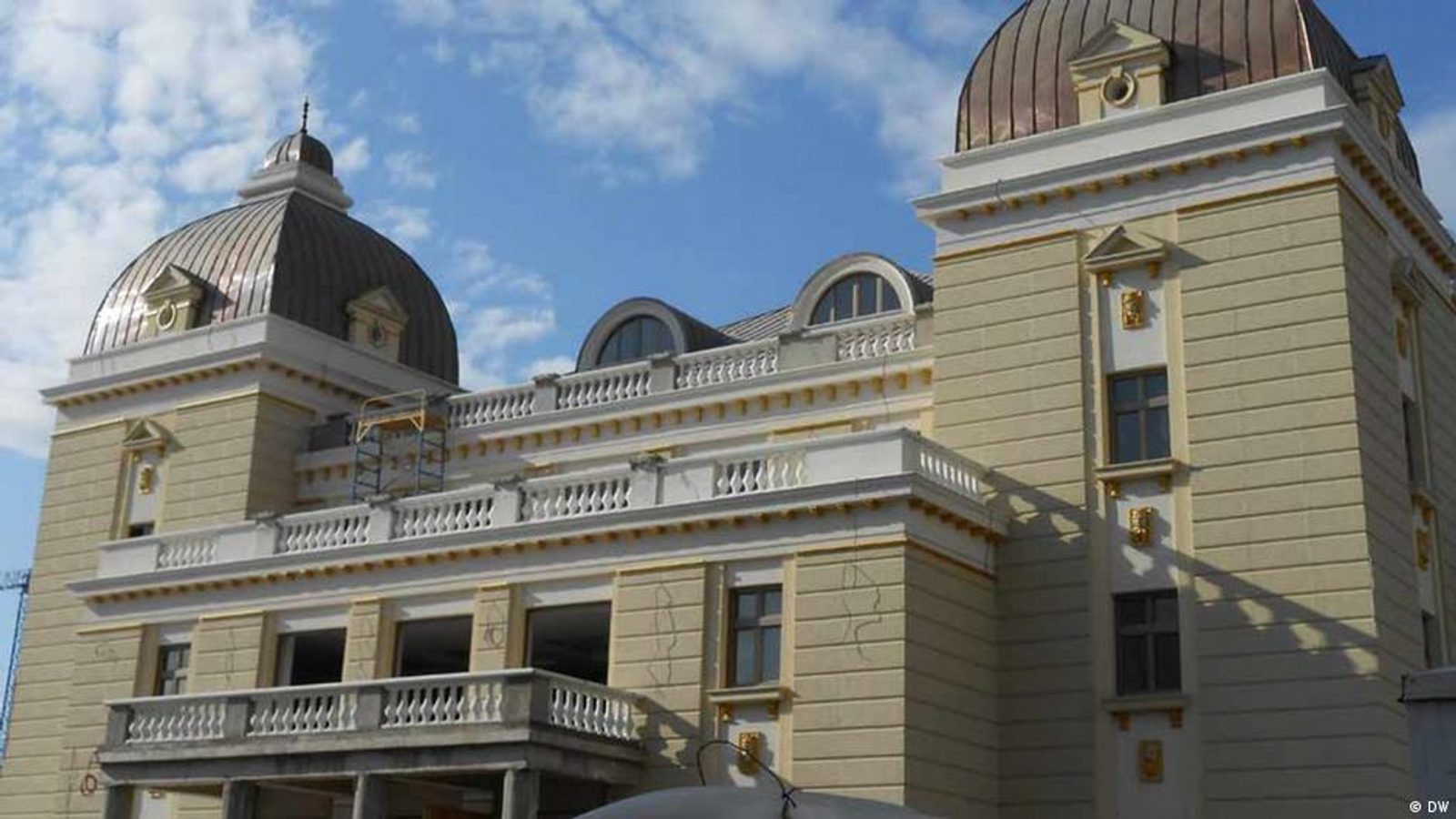
The far-right party Alternative for Germany (AfD) raised questions in Berlin after accusing the German embassy in Skopje of financially supporting a theatre production on LGBT rights that was staged at the Macedonian National Theatre in 2025. The claims spread on social networks and were picked up in a tabloid story, leading to a question in the Bundestag about the spending of German funds abroad.
In the parliamentary question, AfD claims that the embassy in Skopje "in 2025 supported a queer theatre performance from the US, directed against the Republican Party, 'in which it concerns a man who dies of AIDS and has prophetic visions from an angel, described as a creature with "eight vaginas"'". The party also states that the performance was financed by the Biden administration in 2024 and that the costs were later covered by the German federal government with the change of administration in 2025.
Facts that refute the accusations
The facts do not support AfD's key claims. The performance in Skopje was not financed from the development aid budget but from a small culture and science fund at the embassy, in cooperation with the Ministry of Culture, with a total amount of €2,000. Also, on the Skopje stage only the first part of Angels in America was staged — the section with the angel's prophetic visions, including the description AfD cites, was not shown.
The controversy flared after former tabloid editor Julian Reichelt shared the article on his channels with a long comment: "Once again: no single right may be taken away from Germans, not a single cent, not the pension at 63, nor any social or health benefits, simply nothing, as long as we spend hundreds of millions (and billions) abroad on such nonsense." Critics say his posts often contain hate speech.
Also among the divisions is a post by Member of the European Parliament Christine Anderson, who described the event as "madness." The dispute reaches into a broader debate in Germany: Chancellor Friedrich Merz, before coming to power, announced an intention to end funding for ideologically motivated projects. Meanwhile, the share of gender equality projects in the total development aid budget has been reduced only minimally, from 5.6% to 5.4%.
The case shows how small cultural grant funds and a partial adaptation of a theatre production can turn into a wide political dispute and how the rapid spread of narratives through media and social networks can shape the political agenda far from the original event.
Photo: press material from the event