AfD in Saxony-Anhalt moves into open confrontation with churches
Catholic and Protestant leaders warn of nationalism and extremism as AfD pushes policies to end state funding and church-tax collection.
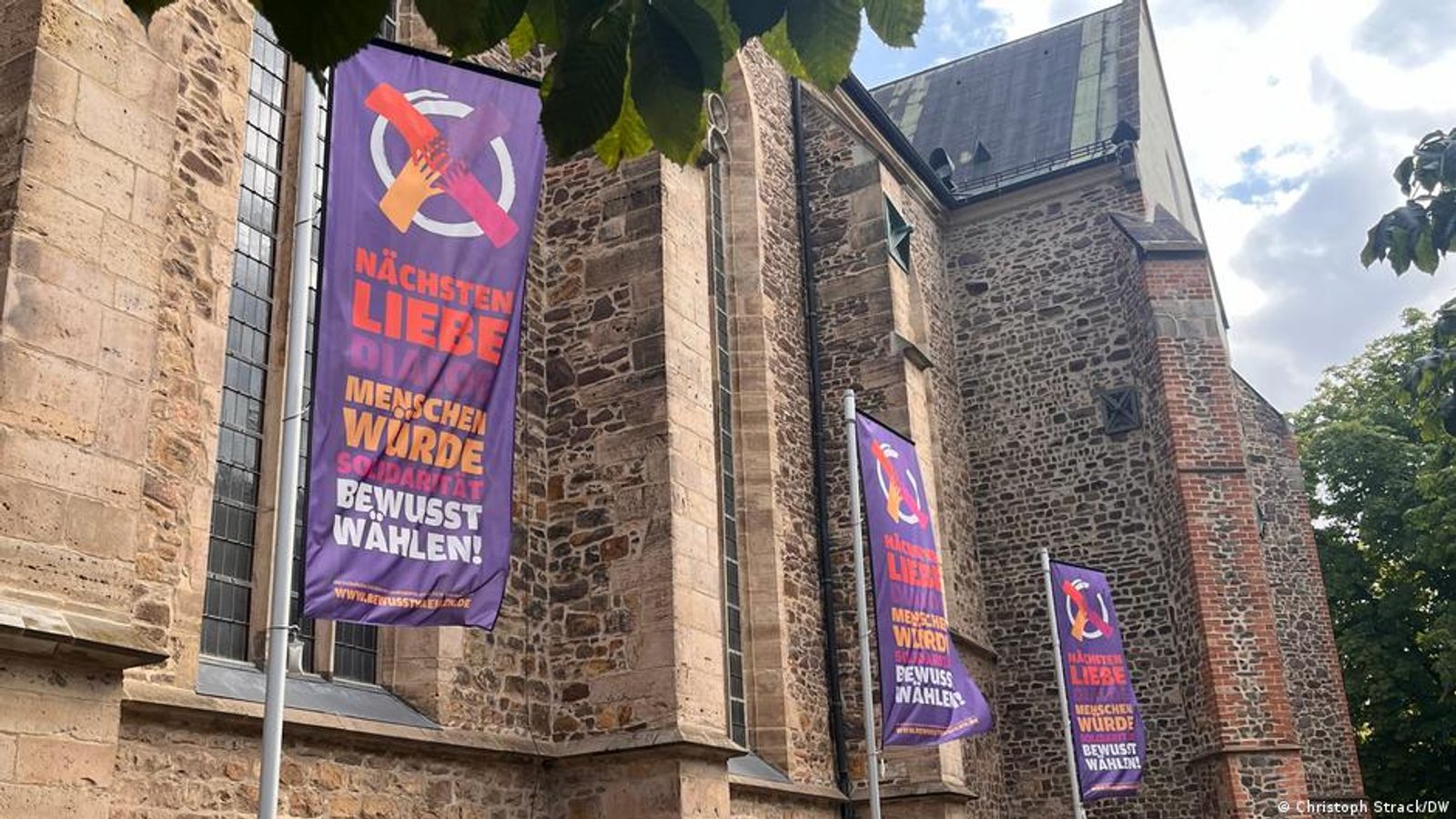
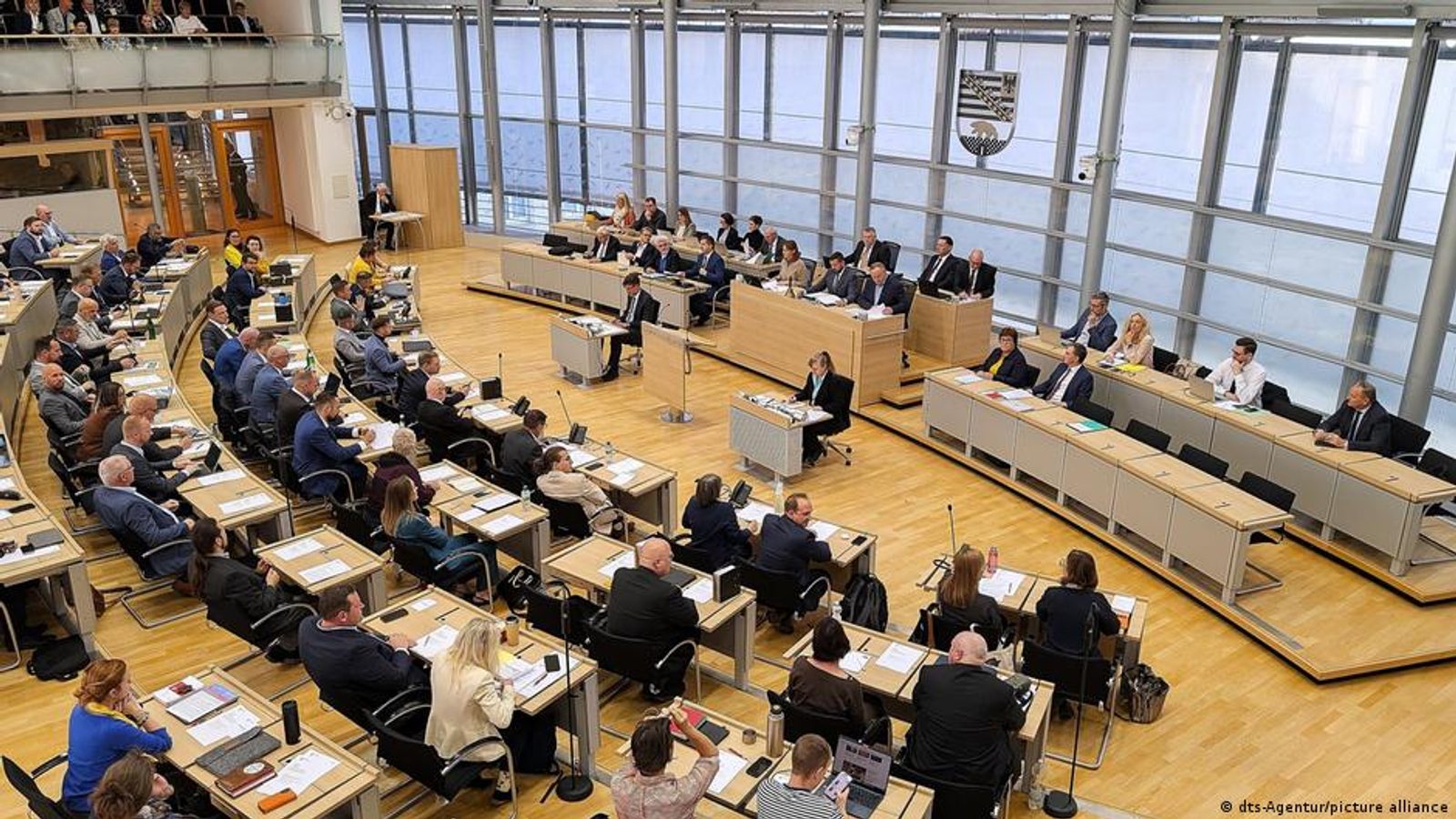
Flags and banners have appeared outside churches across Saxony-Anhalt as the regional branch of Alternative for Germany (AfD) intensifies a public clash with Catholic and Protestant communities ahead of provincial elections on 6 September 2026.
In Magdeburg, placards reading "Love your neighbour, dialogue, human dignity, solidarity – vote consciously!" were displayed at the cathedral, while nearby the Protestant cathedral community hung a banner saying "Diversity is divine." Other Protestant churches in the region carried messages such as "Heart instead of hate."
Church leaders warn of nationalism and extremism
Catholic Bishop Gerhard Feige, who preached to about 3,000 worshippers at the annual diocesan pilgrimage to Huysburg in September 2025, said in that sermon that "the travellers of hope do not vote impulsively and 'by rote'." His remarks drew prolonged applause. At the same time polls for the provincial vote put AfD firmly in first place, and the party is not ruled out as a potential single governing force.
The German Federal Office for the Protection of the Constitution (Bundesamt für Verfassungsschutz) has classified the provincial AfD branch in Saxony-Anhalt as "proven right-wing extremist." That assessment has increased tensions between the party and church leaders who see themselves as outspoken defenders of democracy despite their relatively small membership in the region.
About ten percent of Saxony-Anhalt's 2.1 million inhabitants identify as Protestant and three percent as Catholic; only a few thousand belong to the Muslim or Jewish communities. More than 85 percent say they have no religious affiliation, compared with a German average of 47 percent.
AfD's provincial programme, adopted in April at a regional party congress, attacks both the Evangelical and Catholic churches. It calls for an end to all payments from the state budget to the churches and the cessation of state collection of church tax. The programme also demands that churches bear permanent financial responsibility for so-called "church asylum" cases where refugees seek shelter in church buildings, and it calls for the abolition of public funding for the Evangelical Academy of Saxony-Anhalt because of alleged "political agitation in the spirit of the old parties" and promotion of a "climate doctrine, gender ideology and cult of the rainbow."
Church leaders insist their interventions are not party-political but rooted in Christian understandings of human dignity. Friedrich Kramer, regional bishop of the Evangelical Church in Central Germany, told an online magazine that concerns about climate, the environment and relations to newcomers are first and foremost Christian messages and should not be seen as endorsements of any political option.
Bishop Feige warned that AfD participation in government could have "dramatic consequences." He said the party presents itself with "messianic images," promising slogans such as "Everything will be fine" and "Everything is possible," and singled out the party's top candidate, Ulrich Sigmund, as persuasive and composed in his appearances. "But behind that stand forces that can truly provoke fear," Feige said. "If AfD forms an autonomous government here, it would be a pilot project. Then Saxony-Anhalt would become a gateway for broader influence in federal German politics."
Photo: press material from the event