Afrim Gashi says Hague verdict comment was private; parties react
Speaker Afrim Gashi says his Facebook reaction to the Hague verdict was made as a private citizen; political parties question the appropriateness of a state official's comment.
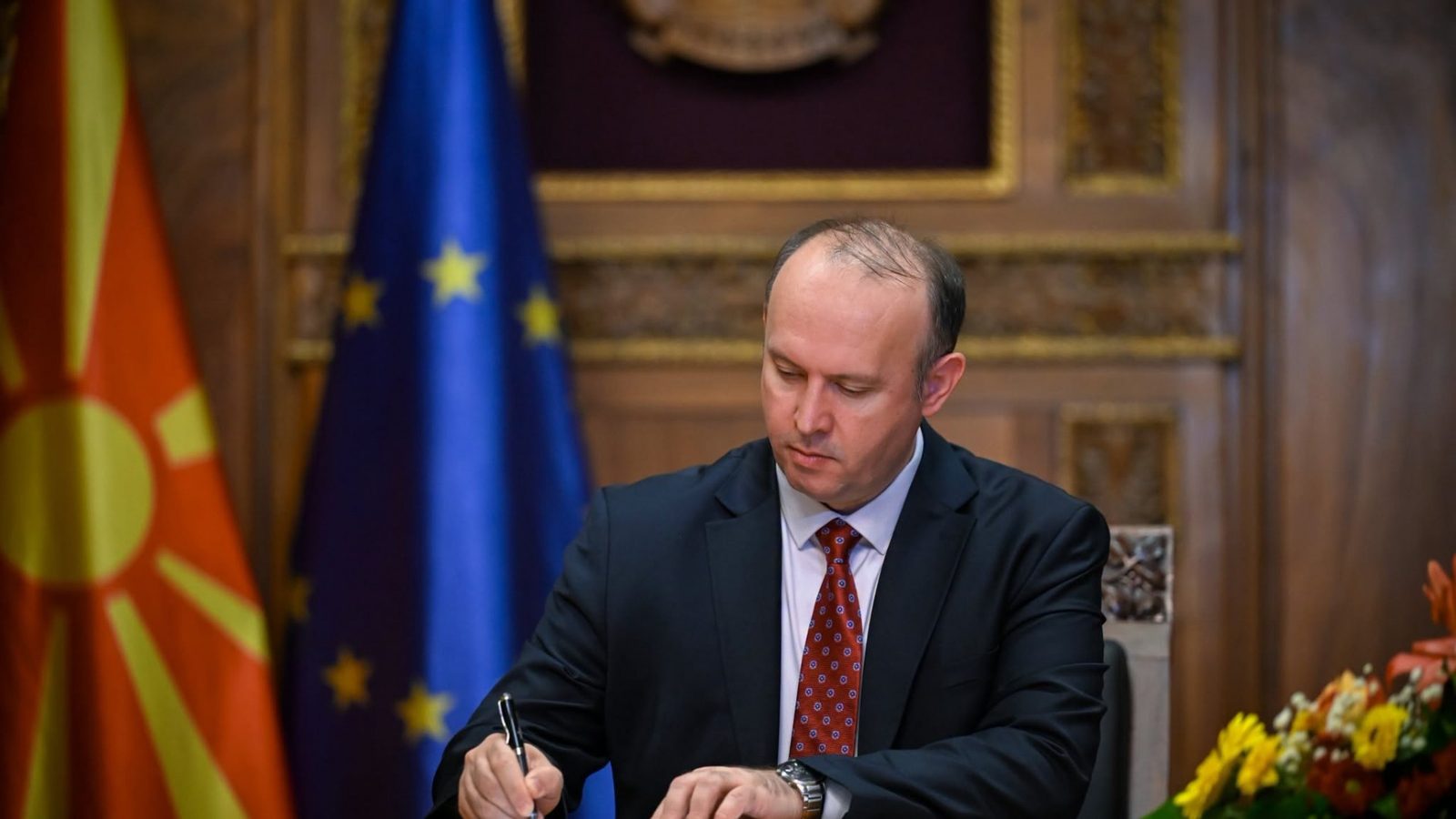
The verdict from The Hague against four former KLA leaders — with Hashim Thaçi and Jakup Krasniqi sentenced to 25 years, Kadri Veseli to 18 years and Rexhep Selimi to 13 years in prison — has touched off a sharp political debate in North Macedonia over how public officials should speak about wartime figures. The ruling and its fallout prompted a public reaction from the speaker of the Assembly, Afrim Gashi, who framed his comments as a private view.
Gashi frames his post as a personal statement; parties demand clarification
In a Facebook post, Gashi wrote that "No verdict can deny the fact that Hashim Thaçi, Jakup Krasniqi, Kadri Veseli and Rexhep Selimi are part of a glorious chapter in Kosovo's history. At a time when Kosovo's freedom, as well as peace and stability in the region, were still an ideal to be fought for, they had the courage to engage and to take on the historic responsibility of bringing freedom to their people." He added that his words reflected the view of an ordinary citizen rather than an official position.
That explanation did not calm critics. The Liberal Democratic Party (LDP) issued a strong rebuke, arguing that relativizing war crimes must stop and that no individual verdict should be turned into a collective label for a people. LDP warned that it is dangerous for the rule of law when senior public officials dispute judicial decisions, whether those officials glorify convicted war criminals like Ratko Mladić or downplay rulings regarding convicts in Krosovo.
SDSM also criticized Gashi’s post as inappropriate for someone who holds a state function and represents a country aspiring to EU membership. "The reactions of the Speaker of the Assembly, Afrim Gashi, are extremely inappropriate; he holds a state function, Speaker of the Assembly, and is a representative of a country that wants to be part of the EU. Double standards are not acceptable. This is not a verdict against the Albanian people. It is not a verdict against Kosovo's right to freedom. The court judges individuals. Whoever today turns the verdict into an ethnic lesson makes the same mistake as the one who hides the crime behind some flag," SDSM said.
By contrast, the Albanian parliamentary bloc called the Hague verdict unjust and said it expects a rehearing or reassessment after the filed appeals. The split in reactions has reopened debates in Skopje about the limits of public discourse by office-holders, and whether private opinions expressed by officials must be treated differently when they concern sensitive regional history and justice.
Photo: press material from the event