Gadi Eizenkot highlights Moroccan roots in Sderot ahead of Israel vote
Eizenkot’s campaign uses Moroccan-Arabic language and identity to court Mizrahi voters in a town long associated with right-wing support.
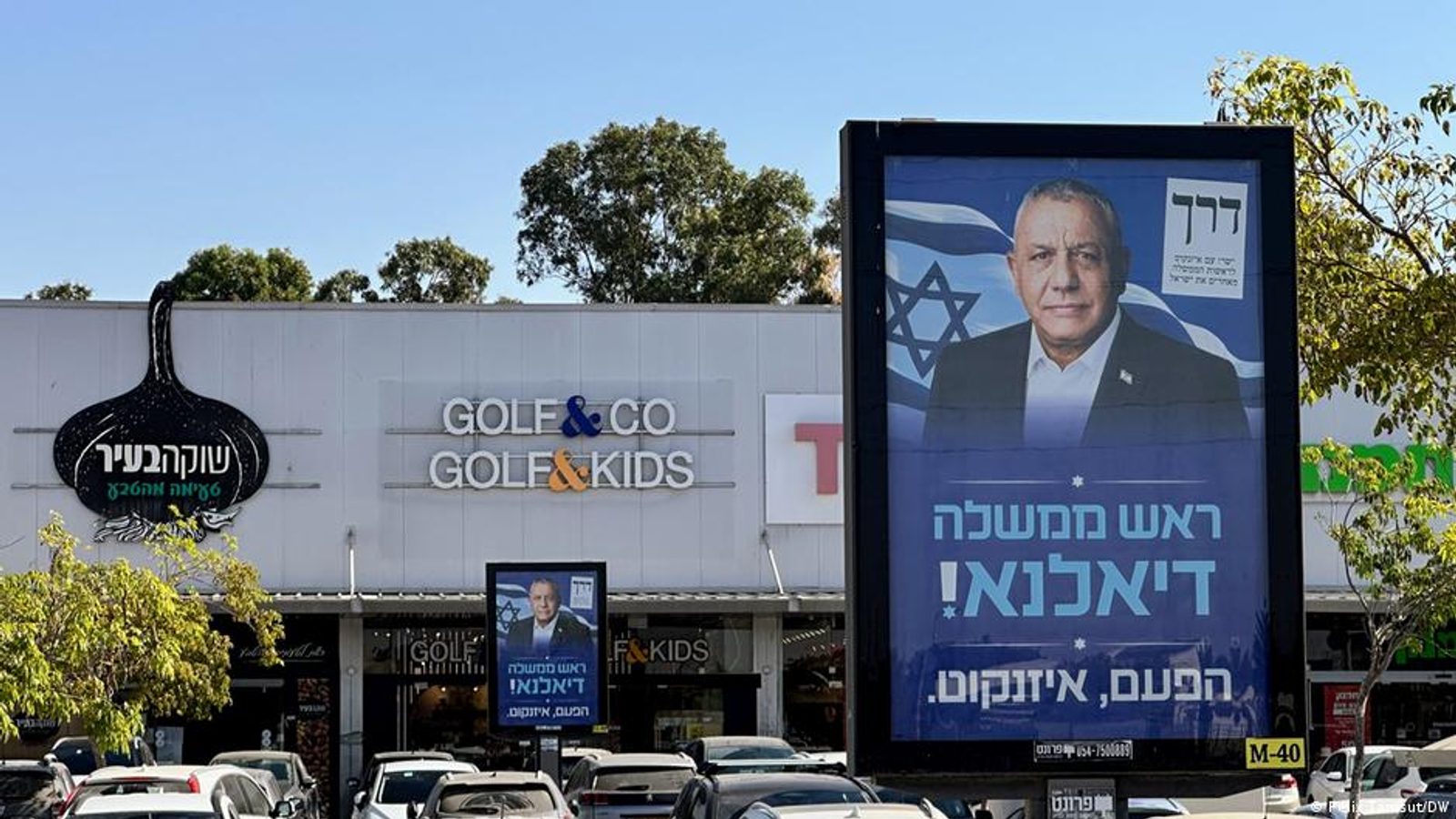
In the run-up to the October 27, 2026 vote in Israel, campaign posters at the train station on the outskirts of Sderot have begun to look different. Most billboards promote right-wing parties such as Likud and the far-right Otzma Yehudit, but one poster for Gadi Eizenkot’s liberal Yashar party stands out: the slogan "Rosh memshala dialna", blending the Hebrew term for prime minister with the Moroccan-Arabic word for "our".
Sderot, a desert town in the Negev about 75 kilometres south of Tel Aviv and roughly one kilometre from the Gaza border, is home to a large community of Moroccan-origin Jews. Over decades the town has become a symbol of Moroccan-Jewish culture in Israel, visible in music, film and political life.
Electoral strategy and local politics
Eizenkot — who grew up in Eilat and is himself of Moroccan descent — has made his background a central theme of his campaign in peripheral, socio-politically conservative towns such as Sderot. Yashar accuses Likud of marginalising Mizrahi politicians, and the campaign has even used an ironic slogan aimed at Prime Minister Benjamin Netanyahu: "Netanyahu: let the Mizrahim give interviews".
The tactic responds to deeper social divides in Israel between Ashkenazi Jews of European origin and Mizrahi Jews from the Middle East and North Africa. Around half of Israel's Jewish population — roughly four million people — are estimated to be of Mizrahi background, a group that has long complained of discrimination and neglect since the state's early years.
The campaign has already provoked sharp reactions. Right-wing commentator Yeinon Magal, a staunch Netanyahu supporter, claimed on live television that Eizenkot was controlled by elite Ashkenazim and called him "monkey"; Netanyahu, who is of European descent, publicly condemned the remark. Award-winning journalist and former MK Daniel Ben-Simon, himself from Morocco, told observers that Eizenkot's use of terms such as "Dialna" is historically meaningful: "People usually do not use the expression 'Dialna' with pride," he said. "By using such a term, a new identity is created: an Israeli-Moroccan identity." He added: "Eizenkot is the first to allow this dual identity to be expressed while the person still feels at home."
Sderot's proximity to Gaza has also shaped its politics. The town was hard hit by the Hamas-led attacks of October 7, 2023, in which more than 50 people were killed. In the three years since, the municipal population rose by about 5,000 to some 40,000 residents, including many young families drawn by ideology or government benefits. That demographic change, together with the growing strength of the national-religious community and support for Religious Zionism led by Bezalel Smotrich, has bolstered the right-wing bloc — though local losses for Likud remain possible if Eizenkot makes gains. Observers say a victory for Eizenkot could strengthen Moroccan-Jewish identity in towns like Sderot.
Photo: press material from the event