Aktiva erects new metal structure at Universal Hall; completion eyed for 2027–2028
Aktiva has started erecting the metal frame for the Universal Hall; the Ministry of Culture has set a December 2027 deadline while some expect work to finish in 2028.
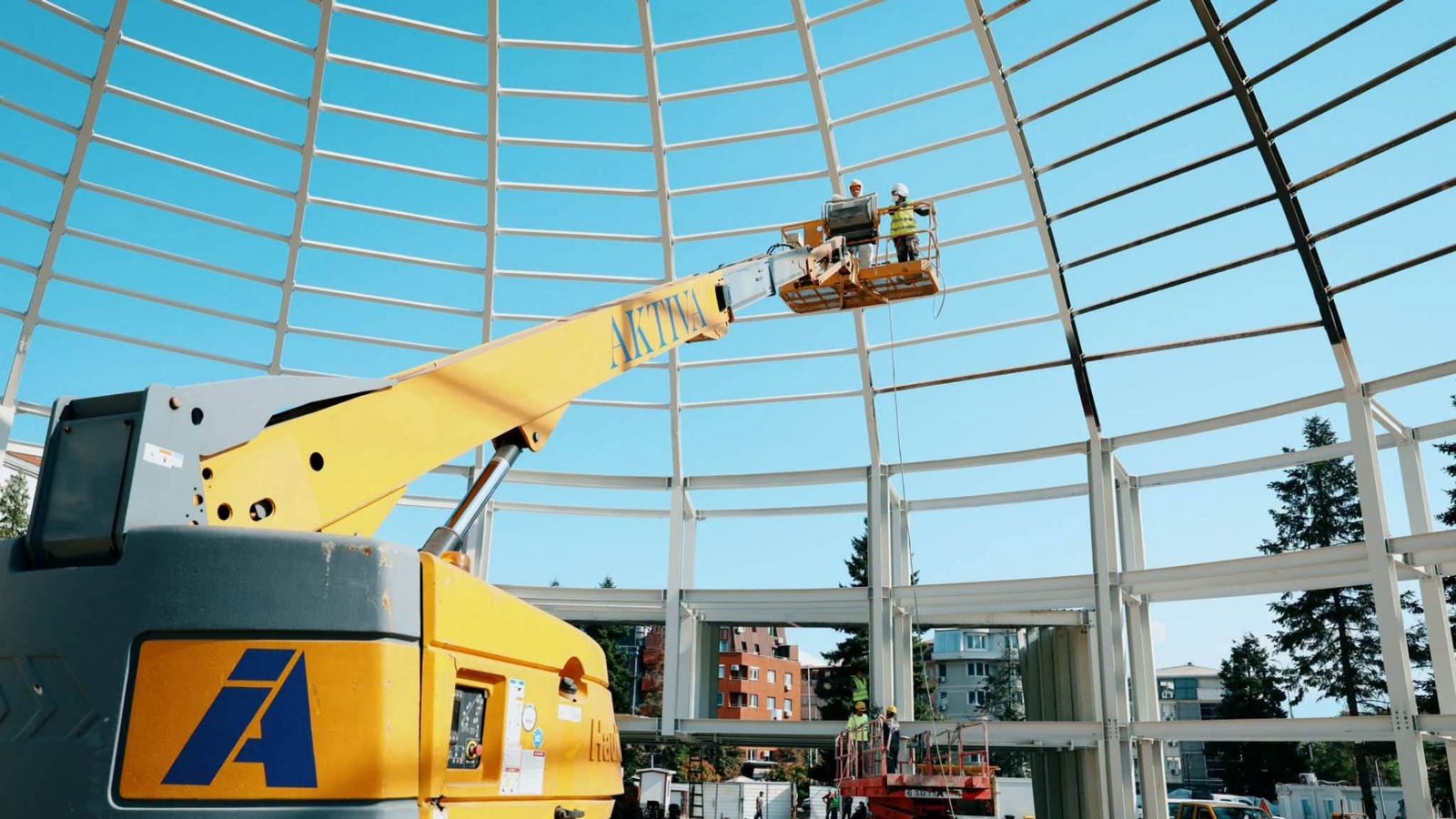
Contractor Aktiva has begun installing the new metal framework at the site of the Universal Hall in Skopje, a visible step in a reconstruction process that has repeatedly stalled since work first started in 2021. The project’s timetable remains sensitive: the Ministry of Culture has announced a completion date of December 2027, while some projections place the end of works into 2028.
Timeline and recent setbacks
The reconstruction originally began in 2021 but was interrupted several times. A major setback came on 9 April 2024, when a fire broke out while the hall was under reconstruction. A fresh phase of the works officially started on 8 April 2026, and the Ministry of Culture says the job should be finished by December 2027.
Counting from the hall’s closure to the public in 2015, the building will have been out of use for roughly 13 years by the end of 2027. The site has also been described as having been unused for more than 11 years since the key was first turned on the building, a span that reflects the long interruptions and administrative changes around the project.
Since the contractor agreement was signed in recent months, observers note that activity on the ground was hard to see at first. That situation has changed with the arrival of the new metal structure and dome, but the metal elements already show surface corrosion from exposure to the elements during the long pause in works.
Concerns about timing are heightened because the Universal Hall was expected to host events connected to Skopje — European Capital of Culture 2028. With the public-facing finish date set by the Ministry for December 2027, engineers and organisers will face a narrow window for final installations, testing and event readiness if the schedule holds.
For now, the presence of Aktiva’s steel framework marks a tangible phase of progress, but the extended history of starts and stops has left parts of the site weathered and raised questions about whether all remaining tasks can be completed cleanly before the cultural programme of 2028.
Photo: press material from the event