Ombudsman: Idrizovo faces severe understaffing — one doctor for about 691 inmates
Ombudsman report finds uneven access to care, delayed diagnostics and risks from informal drug distribution across 11 penal institutions.
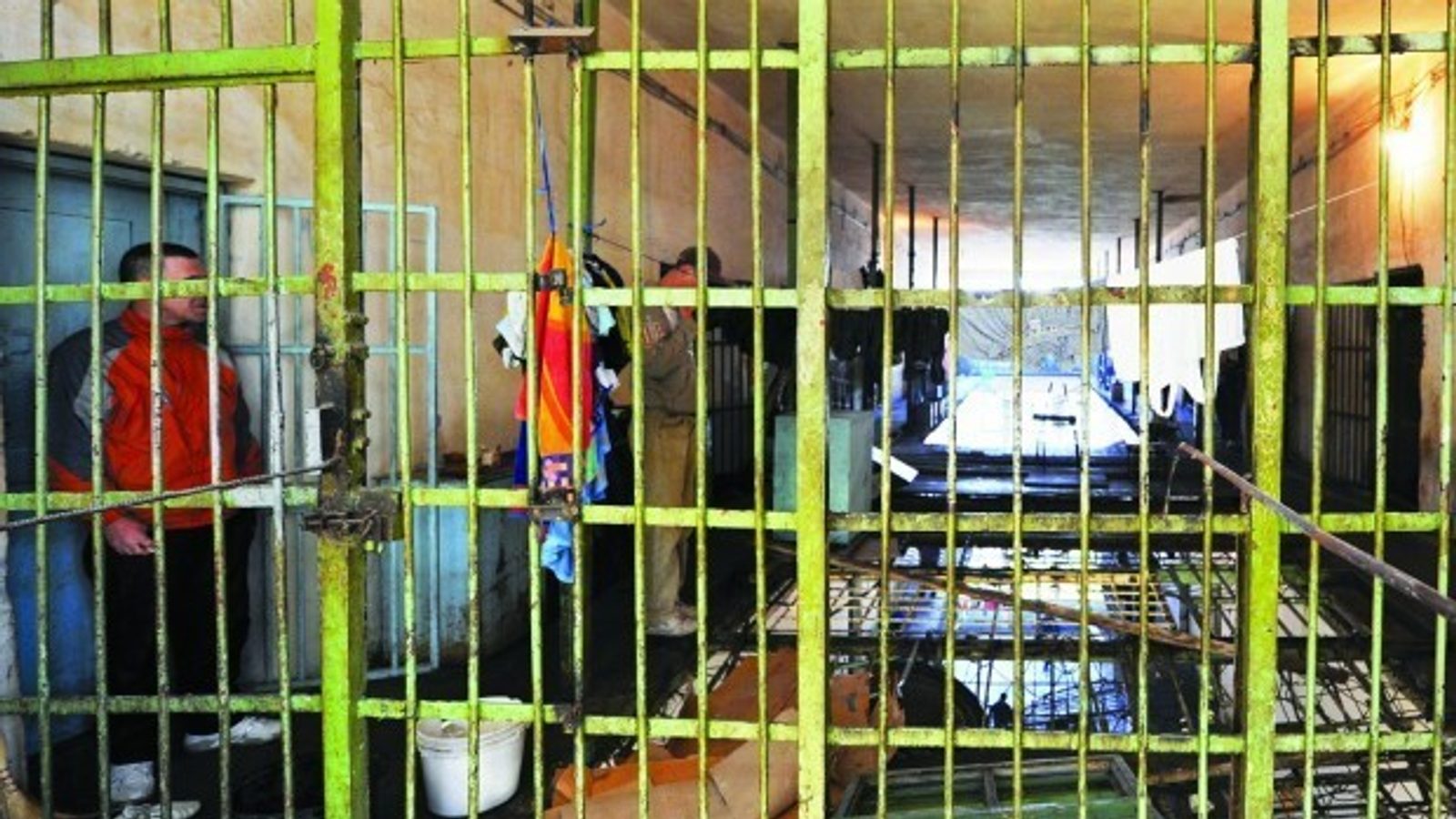
A recent investigation by the Ombudsman’s office into health services across 11 penal institutions in North Macedonia found serious staff shortages, uneven distribution of medical personnel, delayed specialist access, interruptions in prescribed therapies and weak preventive care. The review also concluded that none of the visited facilities maintains a 24-hour medical watch.
Deputy Ombudsman Sonja Trifunovska presented the findings at a thematic debate organized by the Ombudsman’s Office with support from the OSCE Mission in Skopje. She warned that formal links between prison health services and the public health system have not produced equal, consistent access to care.
Trifunovska highlighted unequal staffing levels and intermittent presence of medical staff. "The mere presence of a doctor or a clinic does not guarantee accessibility. In some of the facilities staff come intermittently, and there are unfilled positions," she said, and added that "one doctor should serve approximately 300 people" according to standards. The report states that in Idrizovo one doctor attends to roughly 691 inmates, while a single nurse or technician covers almost 461 people.
Operational gaps and risks to continuity of care
The investigation lists further gaps: shortages of transport and escort personnel for transfers to external medical facilities, delays in diagnostic results, and inconsistent drug distribution. In several institutions medication is handed out by prison officers, and in some cases procurement depends on inmates' relatives — practices that raise risks of treatment interruption, dosing errors and breaches of medical confidentiality.
Ombudsman Faton Selami underlined that access to health care is a core right for people deprived of liberty and must be matched by concrete solutions. "All actors responsible for protecting, providing and implementing this human right, in addition to the identified shortcomings, must offer appropriate and feasible solutions for their improvement, which must then be implemented in practice," he said, stressing that problems in the prison system extend beyond health care to accommodation conditions, hygiene, nutrition and rehabilitation.
Kilian Val, head of the OSCE Mission in Skopje, argued that respect for health-care rights demands clear institutional commitment and better cooperation between bodies and professionals. He outlined five priority areas for improvement: ensuring adequate medical staff and emergency readiness; improving access to specialized care; guaranteeing steady availability of prescribed medicines; strengthening preventive and mental-health services; and improving institutional coordination and health-record management.
The Ombudsman’s recommendations call for a national minimum staffing model for prisons, explicit protocols for night and weekend services, better access to specialists, a sustainable system for medicine procurement, reinforced mental-health care and an integrated electronic health record to ensure continuity. The report concludes that moving from formally guaranteed services toward measurable, timely and continuous care in every penal institution should be treated as a policy priority.
Photo: press material from the event