Alexandra Adams became the UK’s first deafblind doctor
After nearly ten years of interrupted studies and multiple health crises, Alexandra Adams qualified as a doctor and now works in a Dorset hospital using adapted tools.
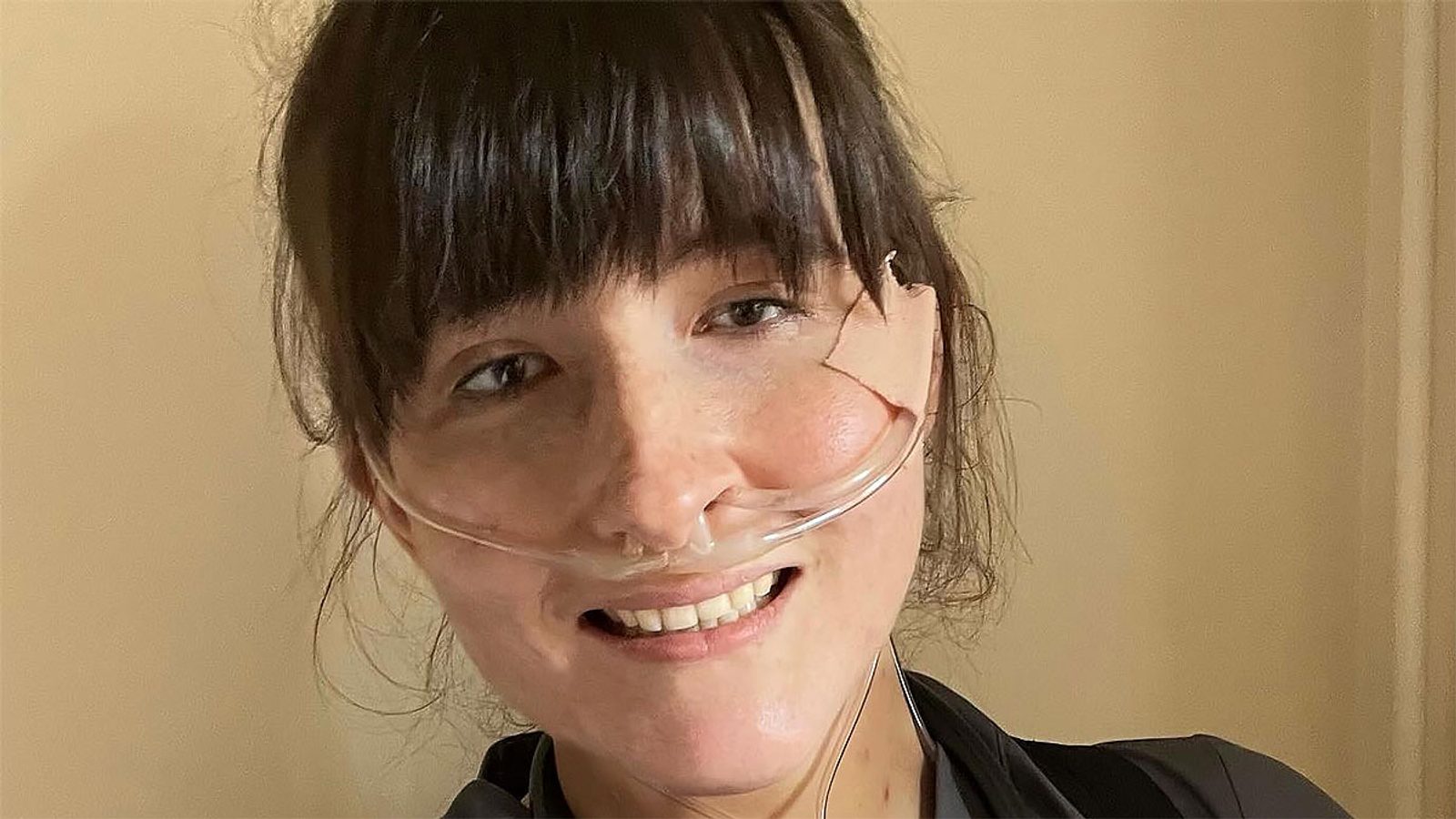
Alexandra Elaine Adams, 32, has become the first person who is both deaf and blind to qualify as a doctor in the United Kingdom. Her journey to the medical register took almost a decade and was marked by repeated, serious health crises that repeatedly interrupted her studies.
Born with profound sensory impairments, Adams has less than five percent vision in one eye while the other is entirely in darkness. She has lived with severe hearing loss since early childhood and has worn hearing aids since the age of two. Those limitations, she says, never extinguished her ambition to care for patients.
From elite sport to a hospital bed
Before turning to medicine, Adams was a competitive swimmer who represented Great Britain and trained for the Paralympic Games. A routine hernia operation went badly, however, and she spent more than a year confined to a hospital bed; she survived sepsis and later contracted COVID-19. In total she faced severe pulmonary embolisms and endured a 17-month battle with coronavirus, at times requiring oxygen therapy.
It was her experience on the patient side — and one doctor’s simple, warm question, "Are you all right?" — that helped decide her path into medicine. She enrolled at Cardiff University and, despite doubts from others and repeated interruptions due to illness, completed her medical degree.
Now working in a hospital in Dorset, Dr. Adams uses a range of adapted tools: a white cane, a smartphone that converts text to speech delivered directly into her hearing aids, a specially adapted ophthalmoscope and a Bluetooth stethoscope linked to her hearing devices. She also relies on an acute sense of touch and a cultivated empathy that patients frequently find overwhelming.
Her colleagues and patients say meetings with her are emotionally powerful; on one of her first shifts in Dorset a patient’s question made her realise the change she had fought for. She recalled the moment: "Excuse me, wait, no — that's me. I'm a doctor now!"
Photo: press material from the event