Alta Banka Bitola: sale promised, experts see bankruptcy and public cost
NBRM and government promise a sale; experts say Serbian insolvency rules could pull Bitola assets into bankruptcy and expose taxpayers.
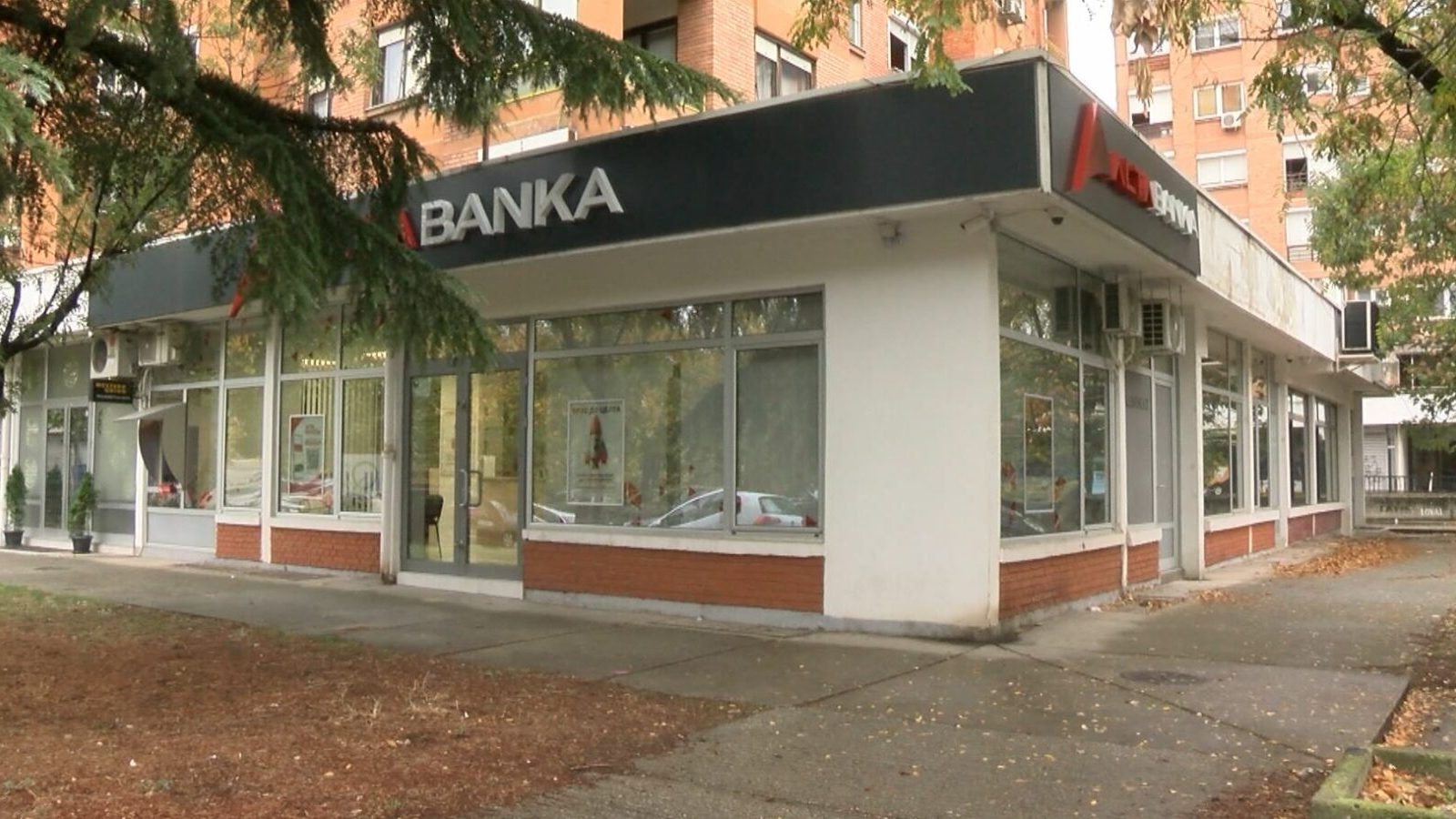
Alta Banka Bitola remains at the centre of legal and political uncertainty as authorities and experts outline two divergent paths: a sale arranged under supervisory powers, or a cross-border bankruptcy that could drag in assets in North Macedonia. Officials from the government and the National Bank of the Republic of North Macedonia (NBRM) insist a buyer exists and that the bank will not enter bankruptcy, while independent analysts warn that insolvency is the more likely outcome.
Legal ties to Serbia complicate any rescue
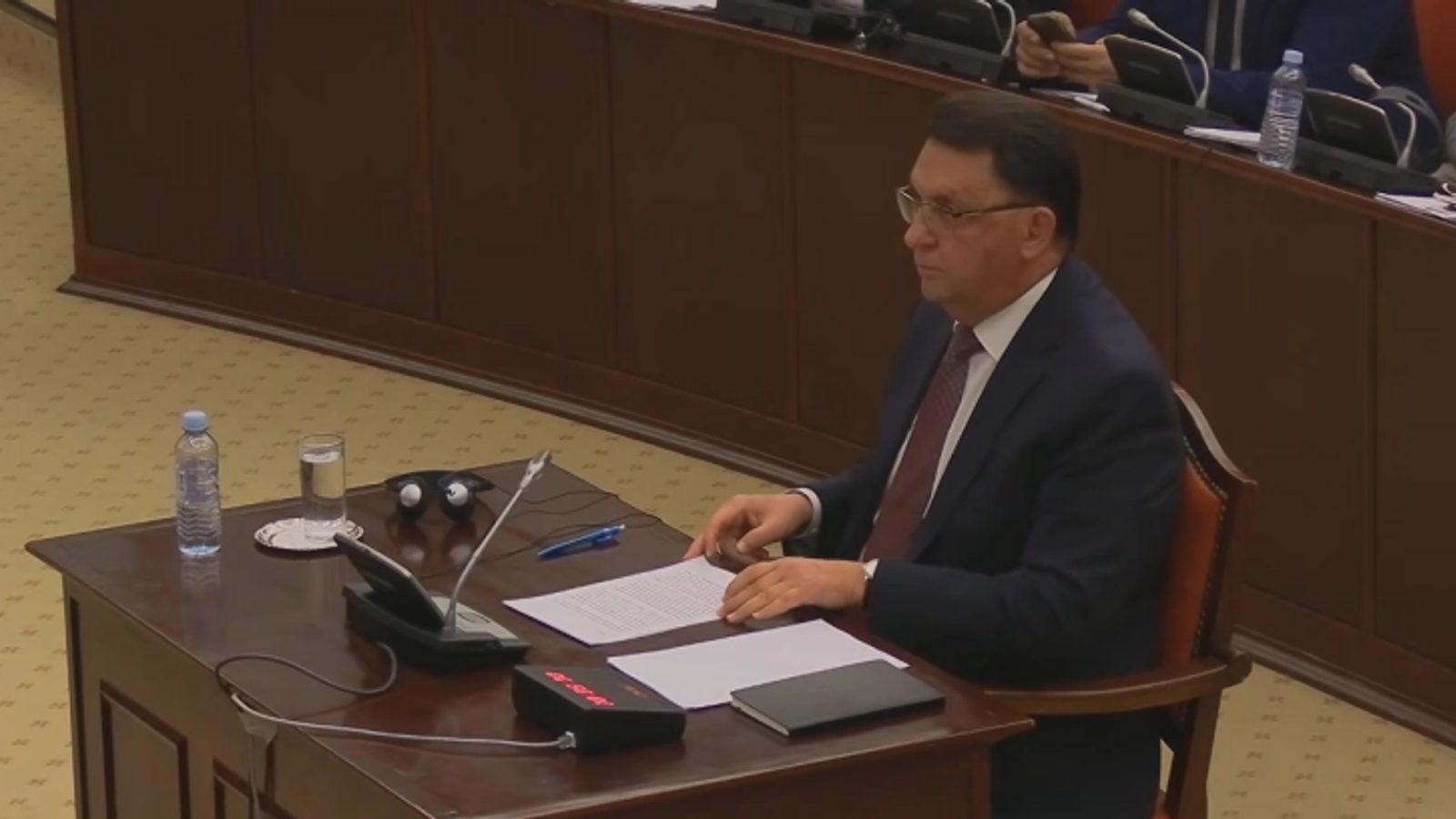
Economist Slavko Lazovski told reporters that Serbian insolvency law and domestic rules allow a bankruptcy proceeding to reach assets located abroad, including those registered in North Macedonia. He warned that this would quickly lead Serbian trustees and judges to seek enforcement over assets tied to the Bitola unit.
"Property of Alta Bank placed under bankruptcy includes property located in the country as well. That is written in the Serbian bankruptcy law and in our law. An open bankruptcy proceeding covers all assets wherever they are. Therefore, very quickly the bankruptcy trustee and the bankruptcy judge from Serbia will certainly request the initiation of bankruptcy proceedings over assets that were entered into Alta Banka Bitola," said Slavko Lazovski, economic analyst.
Lazovski also said that if the bank is declared bankrupt, compensating depositors with amounts above €30,000 would fall to the state budget, meaning taxpayers and businesses would ultimately cover the losses.
"If the bank goes bankrupt, to compensate people who have deposits over 30,000 euros Lazovski believes the state will do that with money from the budget filled by citizens and companies.
In such a large affair, this is already an affair on a European scale where the government and the monetary authorities and the financial leadership in the country will do everything to compensate the citizens — all those citizens and natural persons who were harmed in this affair — and that will fall on the shoulders of all of us, meaning the bill will be presented to the budget. It is easy to change laws for that, even if necessary a special law will be adopted; they can do that and ensure depositors and citizens who placed their funds in Alta Bitola are not harmed, but instead we will all be harmed because the budget will be the one to cover this loss," Lazovski said.
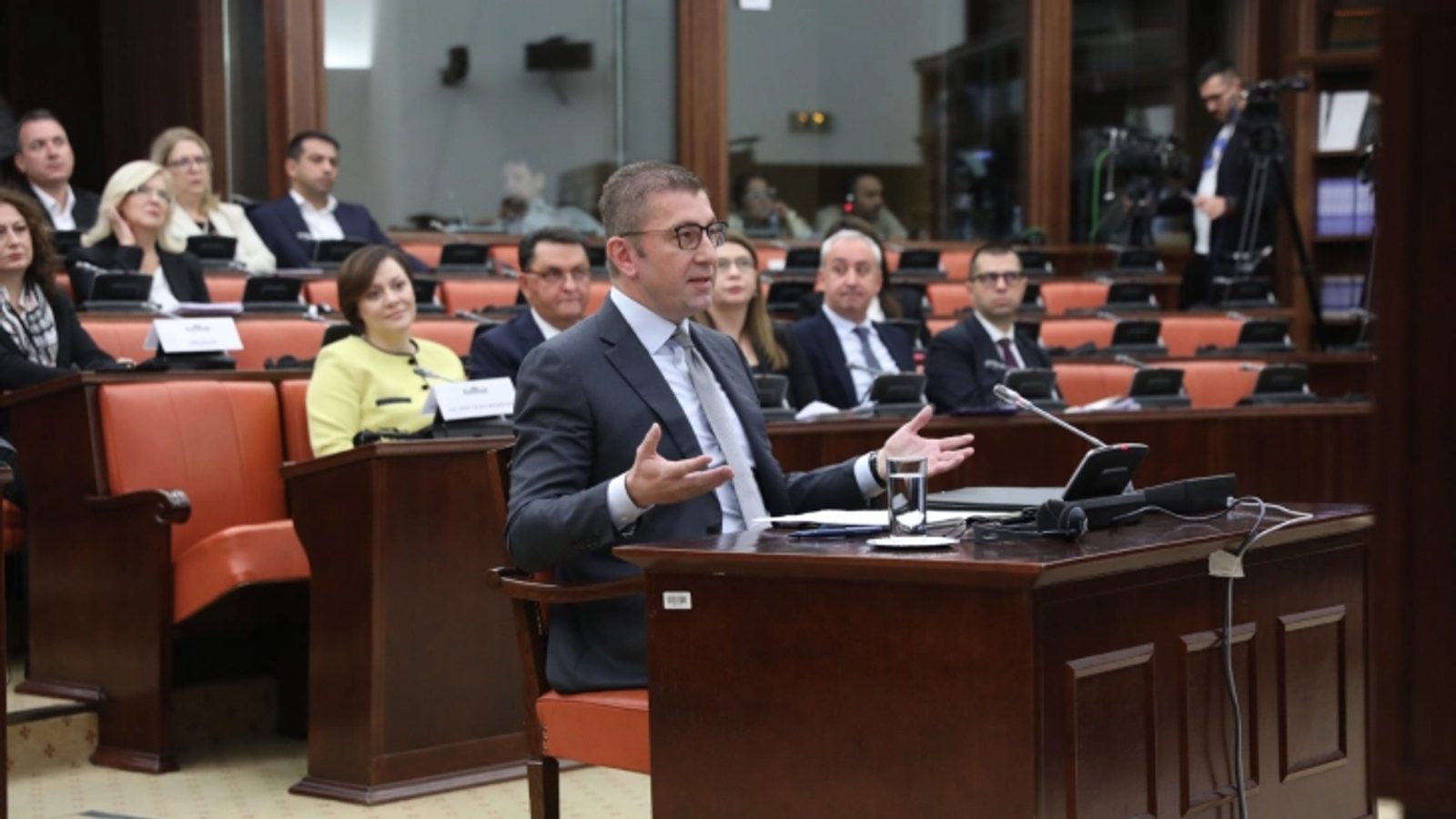
From the NBRM, Vice Governor Ana Mitrevska explained how the regulator could proceed with the sale of shares that belong to a foreign owner or to a bankrupt shareholder.
"The NBRM gives a set deadline to the shareholder — in this case the bankruptcy trustee — for the sale of shares, and if the shares are not disposed of, then the bankrupt entity, that is the bankruptcy trustee in this case, has the duty to grant authorization to the National Bank to carry out the sale," said Ana Mitrevska, vice governor of the NBRM.
The central bank has not publicly confirmed whether it has received formal notification or consent from Serbian authorities that would permit the sale of a bank whose ultimate owner is based in Serbia. Meanwhile, NBRM officials say negotiations with potential buyers are ongoing. Analysts also warned that collateral and loans once held by other Macedonian banks — including claims connected to the Veterans' Union — could be swept into the cross-border insolvency if Serbian proceedings progress.
Photo: press material from the event