Alta Bank in parliament: Mickoski and Filipche clash
At a parliamentary oversight hearing on 11 November 2026, the prime minister and SDSM leader traded accusations over the bank's takeover and supervision.
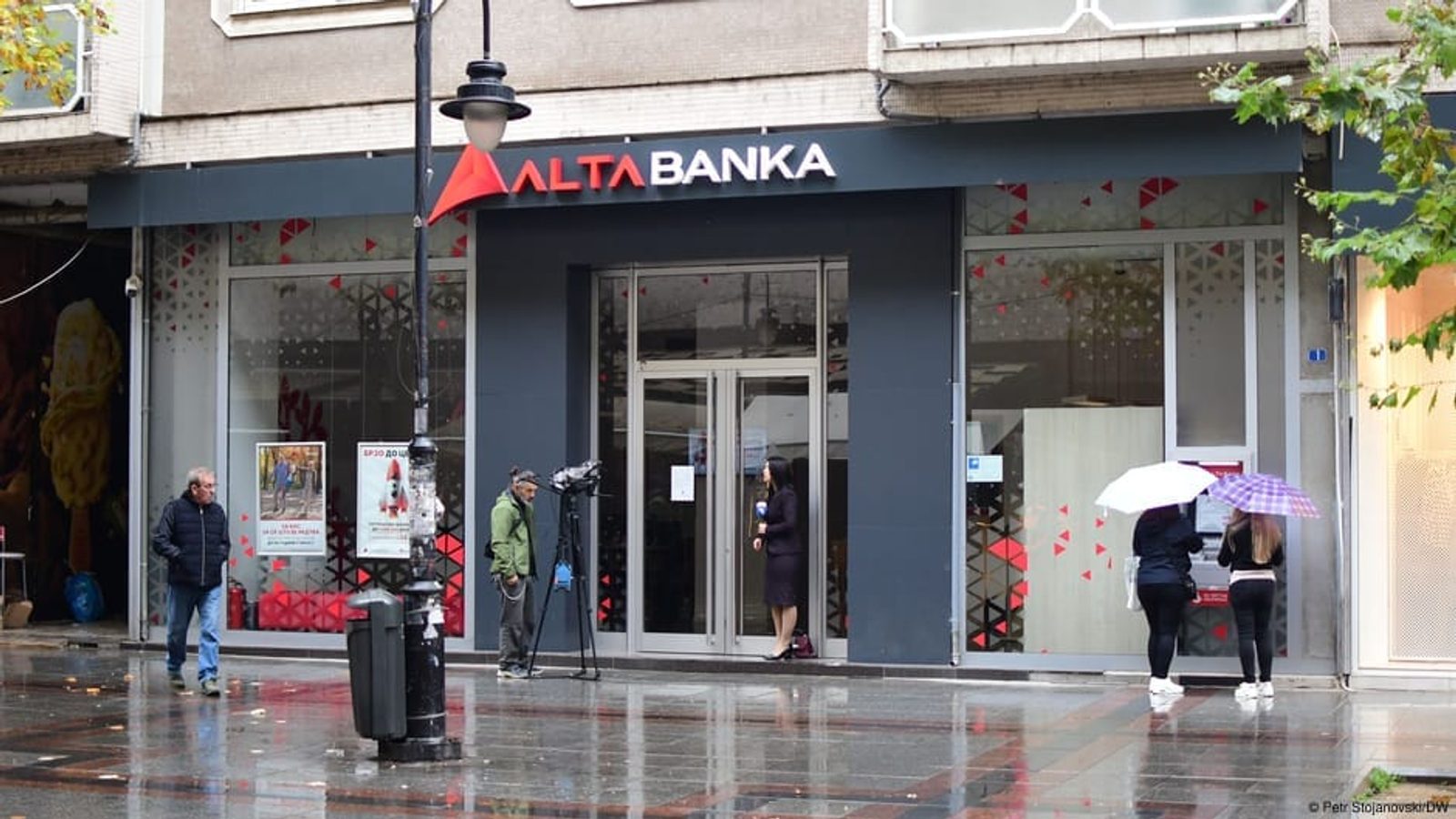
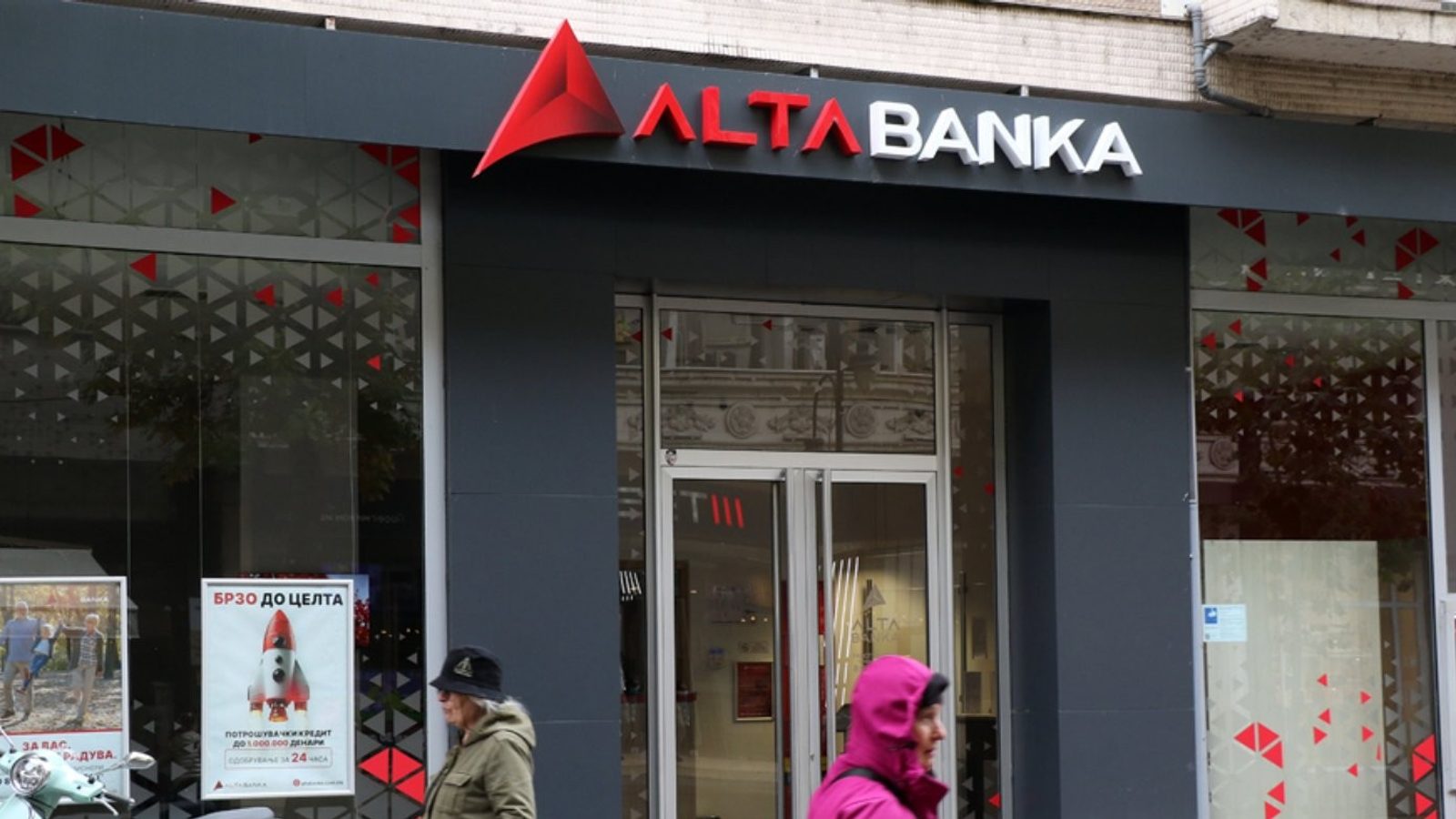
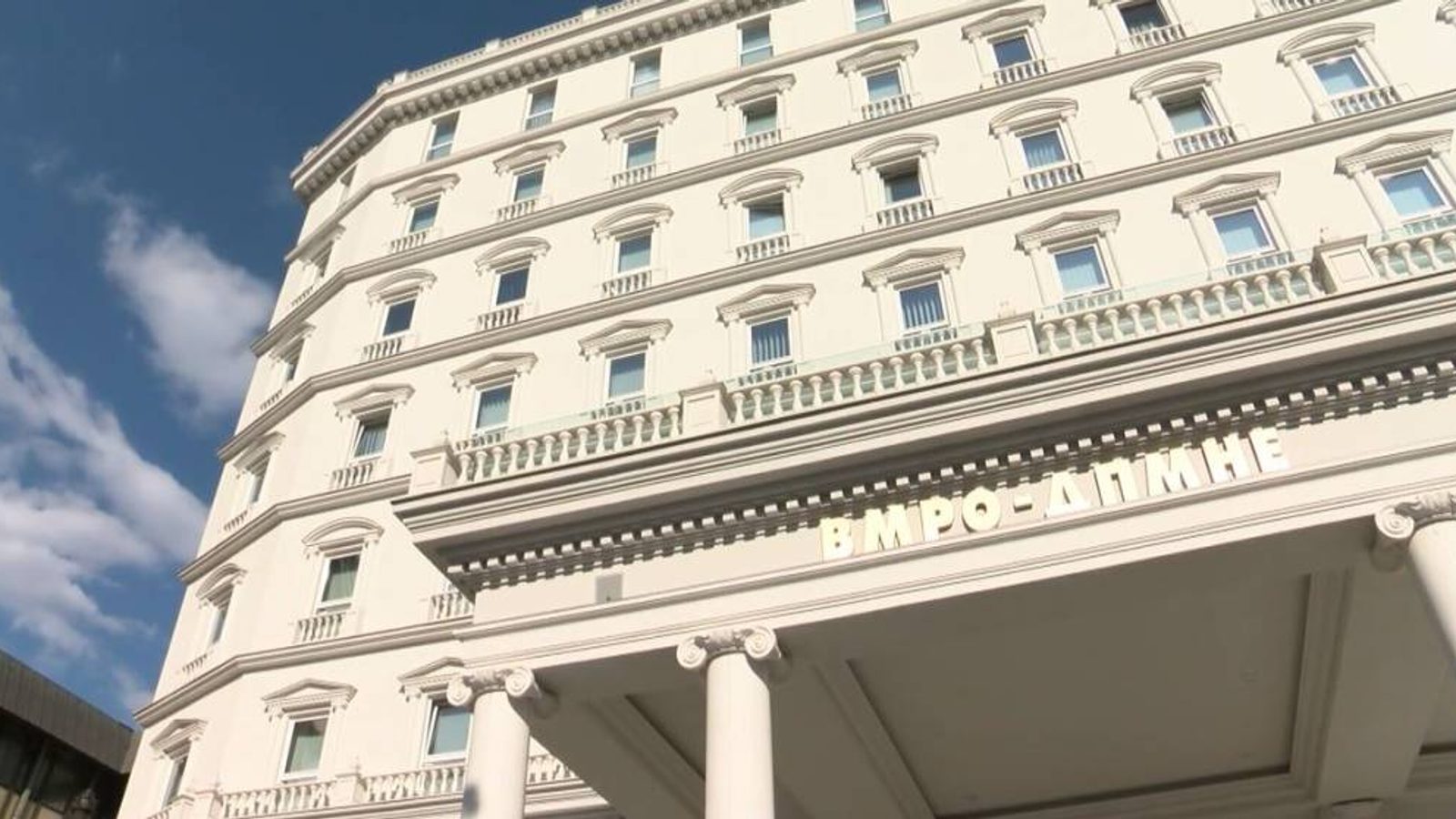
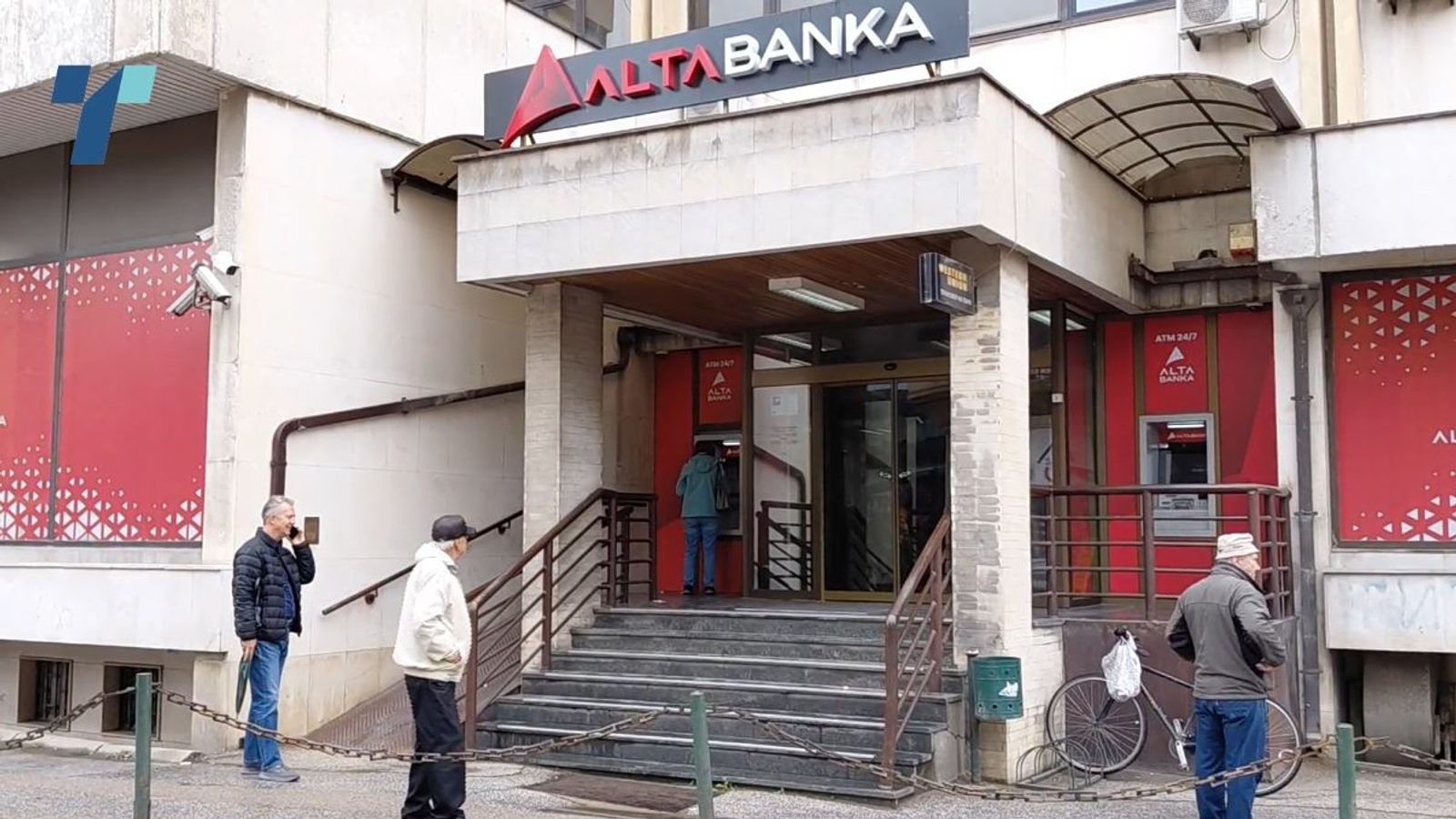
Alta Bank became the focal point of a parliamentary oversight hearing on 11 November 2026, as Prime Minister Hristijan Mickoski and SDSM leader Venko Filipche publicly disputed who bears responsibility for how the bank was acquired and supervised. The session raised questions about the takeover, institutional oversight and political accountability.
Mickoski sought to reassure the public that the bank is solvent and that authorities will find a solution that protects employees and creditors. He argued that the National Bank intervened on time using legal mechanisms and that the financial system faces no systemic risk.
He presented a government decision published in the Official Gazette (No. 123/2023) and claimed that the then SDSM-led government had engaged with Davor Macura and Alta Bank Serbia during procedures connected to the sale of shares in the former Stopanska Banka AD Bitola. Mickoski also called for a transparent criminal investigation to establish all facts about the sale.
Opposing version from SDSM
After the hearing, Venko Filipche rejected Mickoski’s assertions and insisted the SDSM government never authorised Macura to purchase shares held by the Ministry of Finance. He said the government’s 24 October 2023 conclusion had only engaged the State Attorney's Office to protect state interests, not to enter commercial relations.
Filipche argued that Macura had obtained permission from Bosnian authorities to acquire more than 90 percent of the shares in Belgrade's Alta Bank, a move that, under Serbian law, allowed him to buy the remainder. He warned Mickoski cannot evade responsibility given long-standing public discussion about the bank and its owner.
Finance Minister Gordana Dimitrieska-Kocoska told MPs the case does not threaten national financial stability, stating that budget users have no deposits with Alta Bank because their accounts are held at the treasury. The Ministry, she said, saw no risk to public funds and played no role in the takeover process.
National Bank Governor Trajko Slaveski, summoned as a witness, defended the central bank’s procedure for consenting to the share acquisition and for appointing supervisory and management board members. He said controls were carried out at four levels, that the legal three-month review period was fully used, and that documentation established the investor’s identity and ultimate ownership.
Slaveski also presented figures on the bank’s financial position and argued they justified temporary administration by the central bank until a new owner is found. "Capitalization of the bank is almost 26%, significantly more than the statutory minimum of 8% and well above the level that would require opening bankruptcy, which is under 2%. Liquidity of the bank is high. The quality of the loan portfolio is good with the share of so-called bad placements of only 2.9%. The administration measure should ensure the retention of this healthy position by protecting the balance sheet and temporary management by the Central Bank until a new owner is found, which the National Bank is actively working on," he said.
The Committee on Finance and Budget opened the oversight hearing to examine the circumstances that led to administration being imposed on Alta Bank Bitola, the role of the National Bank and the responsibility of other institutions. MPs from Levica, Vredi and SDSM asked for further checks into the ownership structure and related transactions.
Photo: press material from the event