Alternative cancer therapies linked to higher mortality, study and patients' stories show
University of Utah study found greater risk of death among patients using only alternative treatments; five patients shared why they chose holistic care.
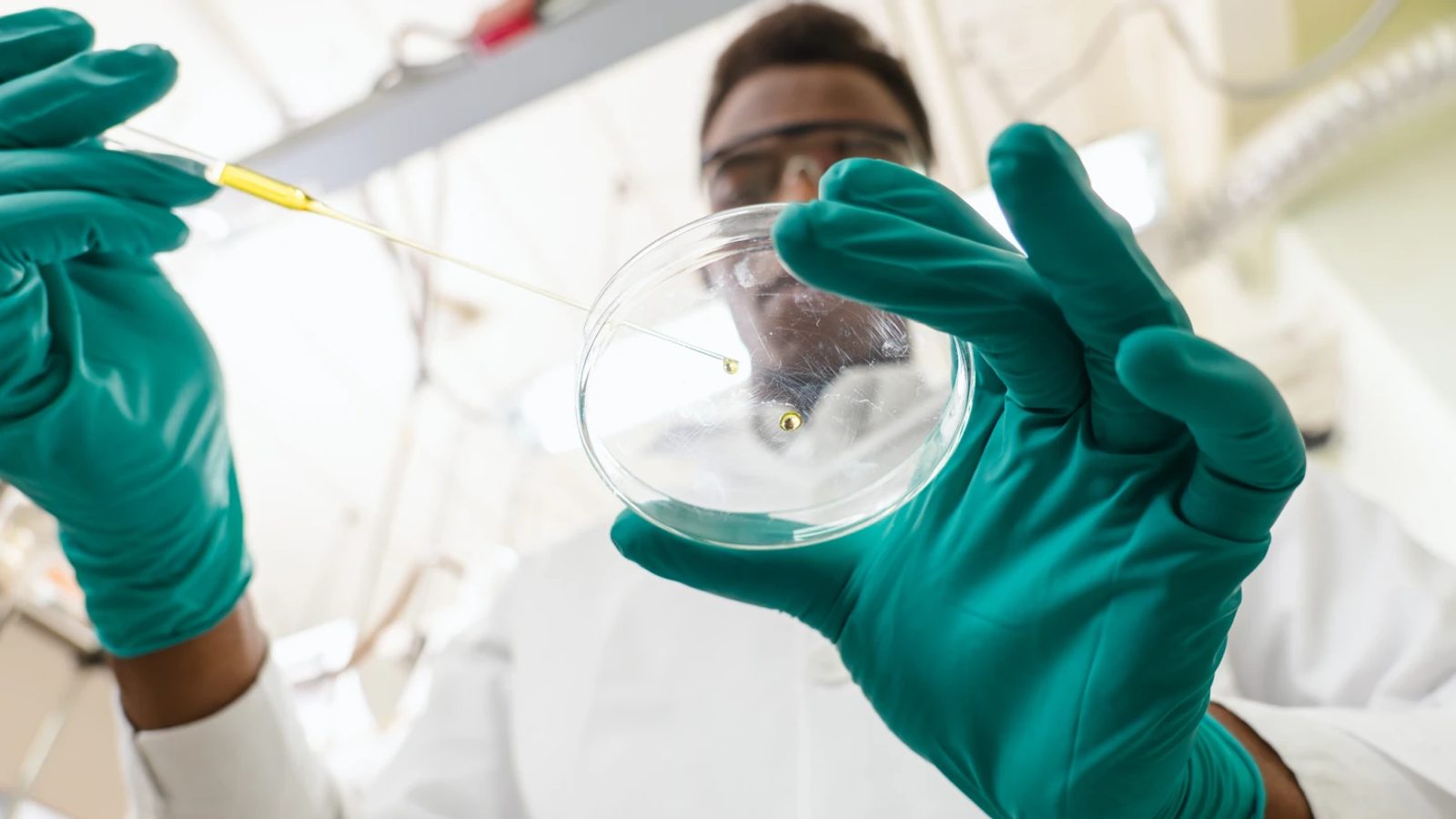
Some cancer patients are turning away from conventional medicine and choosing holistic or alternative paths. Five patients, each with different forms of cancer, agreed to have their cases reviewed by an oncologist so their choices and outcomes could be examined.
One of those patients, Aya, was diagnosed with breast cancer in 2010. After a biopsy of one breast she switched to a raw-food diet, cancelled a planned second biopsy and, despite medical advice, refused any conventional treatment. Fourteen years after that decision Aya appears healthy — but clinicians stress that a single case does not prove causation.
The Center for Cancer Treatment at the University of Utah conducted the largest study to date tracking patients who relied exclusively on alternative therapies. The researchers found that "patients who used alternative medicines had a much higher risk of death."
Evidence, risk and what patients seek
The study reported that, for some cancers such as breast cancer, patients who used only alternative therapies were 5.7 times more likely to die than those who received conventional treatment. At the same time, many patients say alternative or integrative approaches provide elements they felt were missing from standard care: attention to diet, longer conversations about goals, or a sense of control.
Oncologists, including Dr. Shlepi, warn that anecdotes cannot replace randomized studies and that foregoing accepted treatments can carry serious, measurable risks. The dilemma for patients and doctors is whether and how to combine conventional medicine’s proven therapies with supportive holistic measures without compromising survival.
The personal testimonies and the Utah data bring belief, hope and scientific evidence into direct tension. The core question remains: what does it mean to be healed, and how far should an individual's right to choose extend when decisions can affect their survival?
Photo: press material from the event