Warhound raises $200 million to develop genetically enhanced military dogs
The programme combines cloning, gene editing and defence hardware; first cloned dogs expected early 2027.
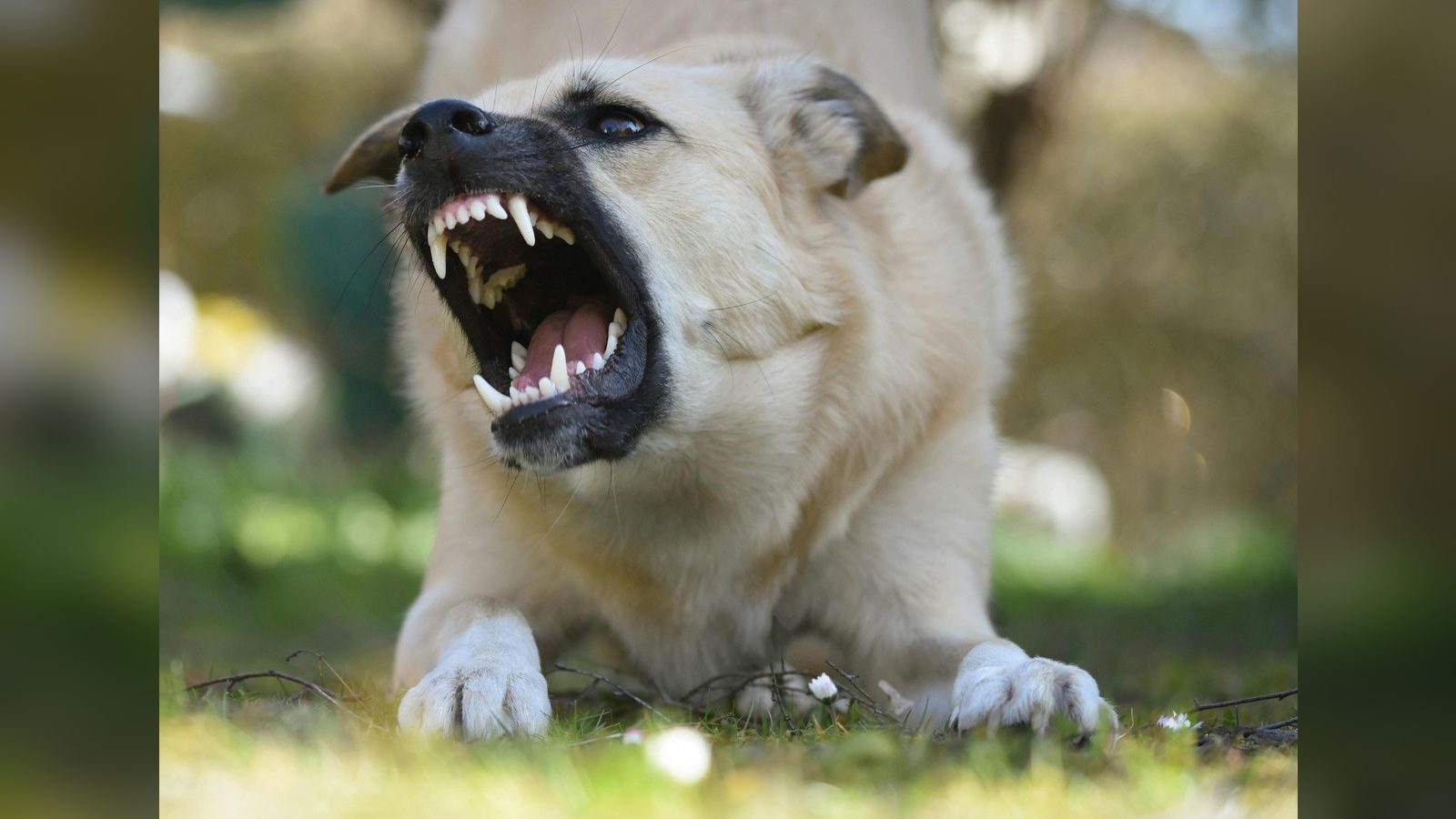
An American start‑up has secured a $200 million financing round to build genetically enhanced military dogs intended to detect explosives, assist in rescue missions and perform hazardous tasks for the US armed forces.
The company, Warhound, founded by technology entrepreneurs Ben Lam and Palmer Luckey, says the programme combines gene editing, cloning and advanced defence hardware. The venture already carries an estimated valuation of $1.2 billion, although the first animals have yet to be produced.
Technical aims and industrial partners
Researchers plan to use genetic material from high‑performing service breeds such as Belgian Malinois and German Shepherds, and apply cloning and targeted edits to reduce inherited disease, joint problems and vision disorders. Later stages aim to improve scent and detection capabilities.
Hardware and field systems are expected to come from Anduril: Warhound has said the dogs will be outfitted with specially designed protective vests, sensors and communications suites so units can monitor the animals’ status and movements during operations.
The financing attracts major venture and asset managers, including Sequoia Capital, ARK Invest, Franklin Templeton and In‑Q‑Tel, a firm with links to US intelligence. Warhound’s backers believe the combination of biotech and defence could create a new domestic supply chain for working dogs.
Warhound points to an economic argument: more than 80 percent of the working dogs used by the US military are sourced from Europe, and fewer than half of procured animals meet the standards after a selection and training pipeline that can take about three years. The company projects that genetic approaches could raise the pass rate, lower procurement costs and stabilise supply.
Warhound expects its first cloned dogs to be born in early 2027, and says potential deployment in military and police operations is planned within the following two years. The firm has not disclosed a per‑animal sale price or whether production can be scaled to commercial levels. The project has prompted debate over animal welfare and the ethical limits of genetic engineering; Warhound says it will work with American Humane to develop care and training standards.
Photo: press material from the event