US stocks fall after inflation surprise; Brent oil eases
Core inflation rose 0.3% and boosted Treasury yields; Nvidia tumbled after a board probe into CEO Jensen Huang.
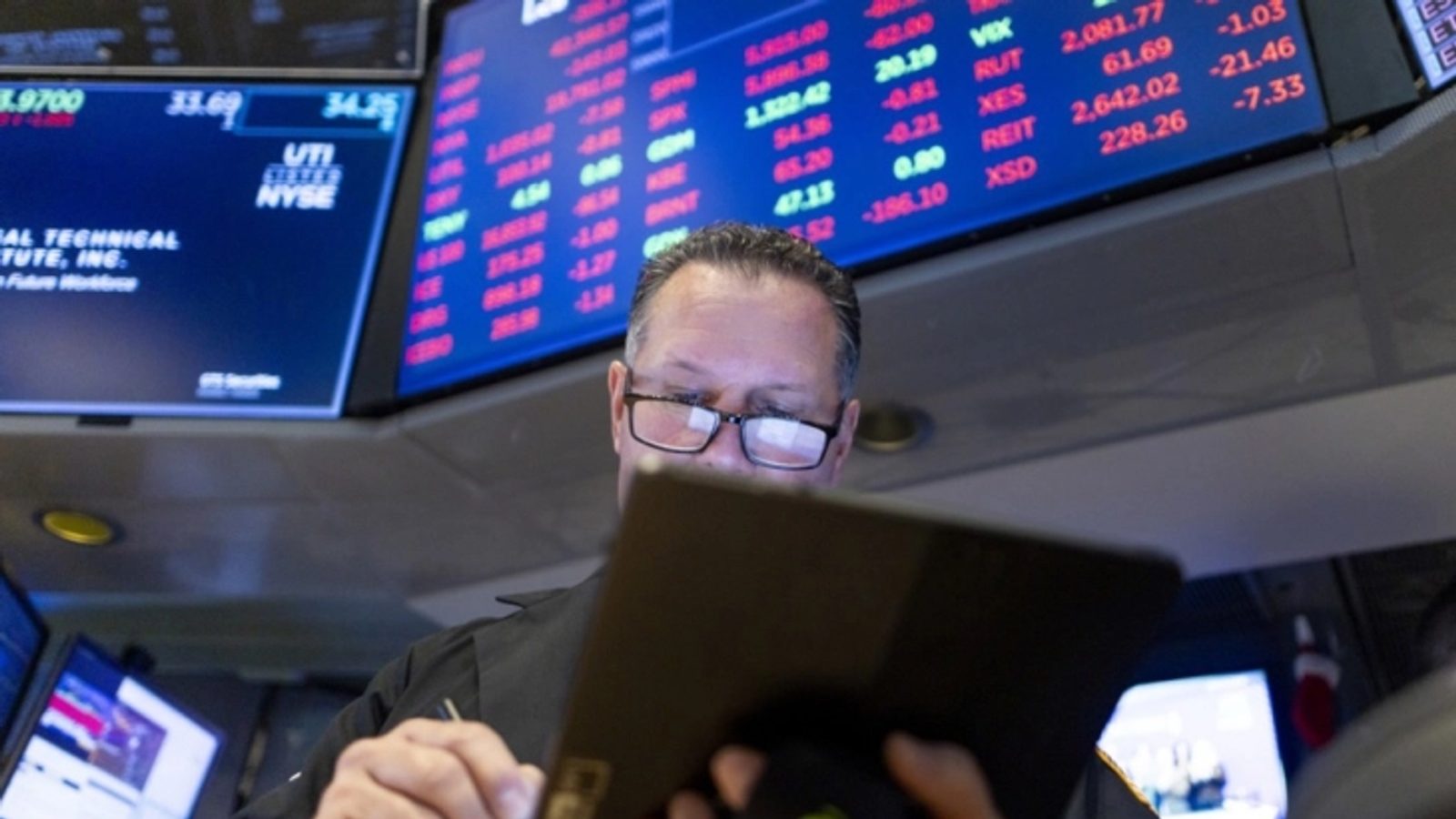
U.S. stocks retreated after a government inflation report showed prices rose more than economists had expected last month, rekindling worries that the Federal Reserve could tighten policy further.
The S&P 500 slipped 0.4%, erasing part of the prior session’s gains. The Dow Jones Industrial Average fell by 157 points, or 0.3%, while the Nasdaq Composite dropped 0.7%.
Core inflation hits the 0.3% threshold
The measure of core inflation — which excludes volatile food and energy costs — rose by exactly 0.3% in the month, a level that had drawn public attention from Federal Reserve governor Christopher Waller. Speaking in London before the release, Waller warned that "it may be necessary to take a more decisive step in monetary policy" if that key gauge ticked up by 0.3% compared with September.
The inflation surprise pushed Treasury yields higher as traders boosted their expectations for future Fed rate increases. Still, the 10-year U.S. Treasury yield has been coming down since early October, after it spiked to 5.30% amid worries about elevated inflation, higher interest rates and the large U.S. government debt load.
Oil prices fell: Brent crude dropped 1.2% to $91.49 a barrel. Former president Donald Trump said late Monday that the war in Iran — which had earlier pushed oil higher — is "militarily, it's practically over," a comment that coincided with the decline from this month's highs above $112 a barrel.
Rising government-bond yields are weighing on stock prices broadly and can be especially damaging for real-estate companies. Technology was also under pressure: Nvidia shares plunged 5.5% and were the biggest drag on the S&P 500 after the company said its board had opened an inquiry into Chief Executive Jensen Huang. Huang acknowledged a relationship with a woman whom U.S. intelligence determined was collecting information for China.
Wider turbulence in the artificial-intelligence sector has added to the pressure on several names. That volatility has sparked questions about the timing of some IPO plans — for example, Anthropic said in a filing with U.S. regulators that it intends to sell shares at a price that would value the company at roughly $1.3 trillion, a level that would place it among the most valuable firms on Wall Street.
Photo: press material from the event