U.S. diplomats and families begin phased return to Middle East embassies
Return follows end of a six-month evacuation period after March unrest; “restricted operations” allow embassy-by-embassy staffing and family rules.
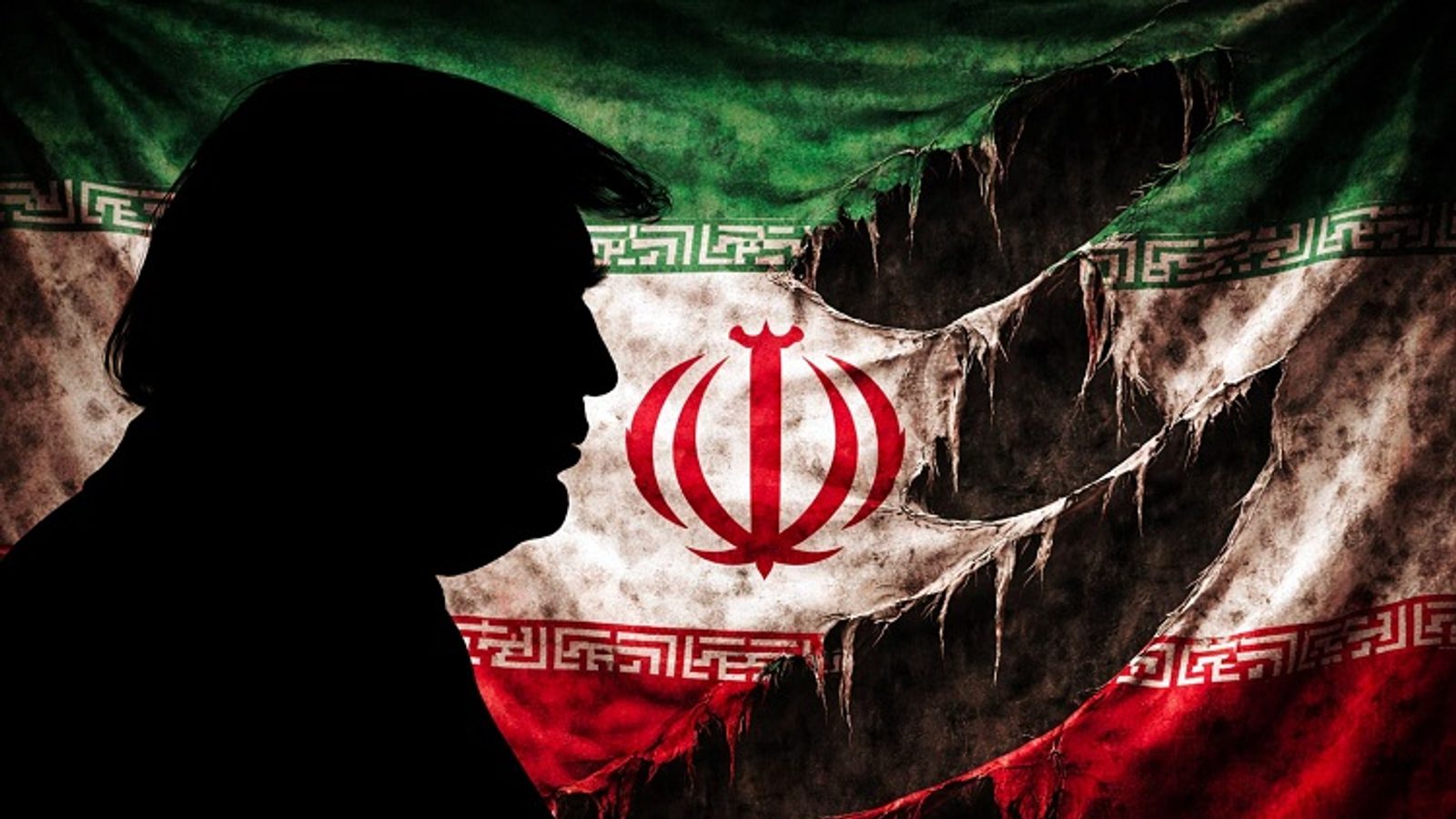
The U.S. State Department has begun a phased return of diplomats and their families to several embassies across the Middle East. The move follows the official end of a six-month period that began after mass evacuations in March tied to the conflict with Iran.
Officials say the returns will follow strict, country-by-country rules and stages designed to preserve staff safety. Because previous "ordered departure" designations carry a legal six-month limit, their expiration would have exposed some employees to the loss of benefits and housing tied to that status.
New operational status and country rules
To avoid administrative gaps, the U.S. Department introduced a new "restricted operations" status that lets each embassy set its own level of staffing and determine whether family members may be present.
Under the guidance: Israel is cleared to receive all family members of U.S. government employees. Lebanon allows return only for family members older than 21, with an initial cap on total staff of up to 85 percent. Qatar, Kuwait and Bahrain have approved family returns, though in Kuwait and Bahrain that permission applies only to persons older than 18. Jordan and Oman are scheduled for full return and normalization of diplomatic capacities.
Staffing limits vary: embassies in Saudi Arabia, the UAE, Qatar and Lebanon will initially operate at a maximum of 85 percent capacity, while those in Iraq, Kuwait and Bahrain are limited to 75 percent of personnel.
Commentators note that the action by the Donald Trump administration implicitly signals a U.S. assessment that the risk of immediate military escalation with Iran has diminished, shifting emphasis toward economic pressure. At the same time, age-based restrictions for younger family members in Gulf countries underline that regional security risks remain elevated.
Photo: Profimedia