US midterms on Nov. 3, 2026 could reshape U.S. policy toward Ukraine, Iran and development aid
Democratic gains in the Nov. 3, 2026 midterms could expand congressional support for Ukraine, constrain escalation with Iran and revive scrutiny of USAID cuts.
U.S. midterm elections held on Tuesday, November 3, 2026, could alter Washington’s foreign-policy trajectory if Democrats win control of one or both chambers of Congress, with potential effects on support for Ukraine, the conflict with Iran and U.S. international development assistance.
Although the presidency remains in Republican hands, control of the House of Representatives and the Senate matters because Congress writes laws, approves spending and exercises oversight. Members of both chambers were up for the vote on November 3, 2026, and control of those institutions can shape which initiatives the White House can advance or be forced to modify.
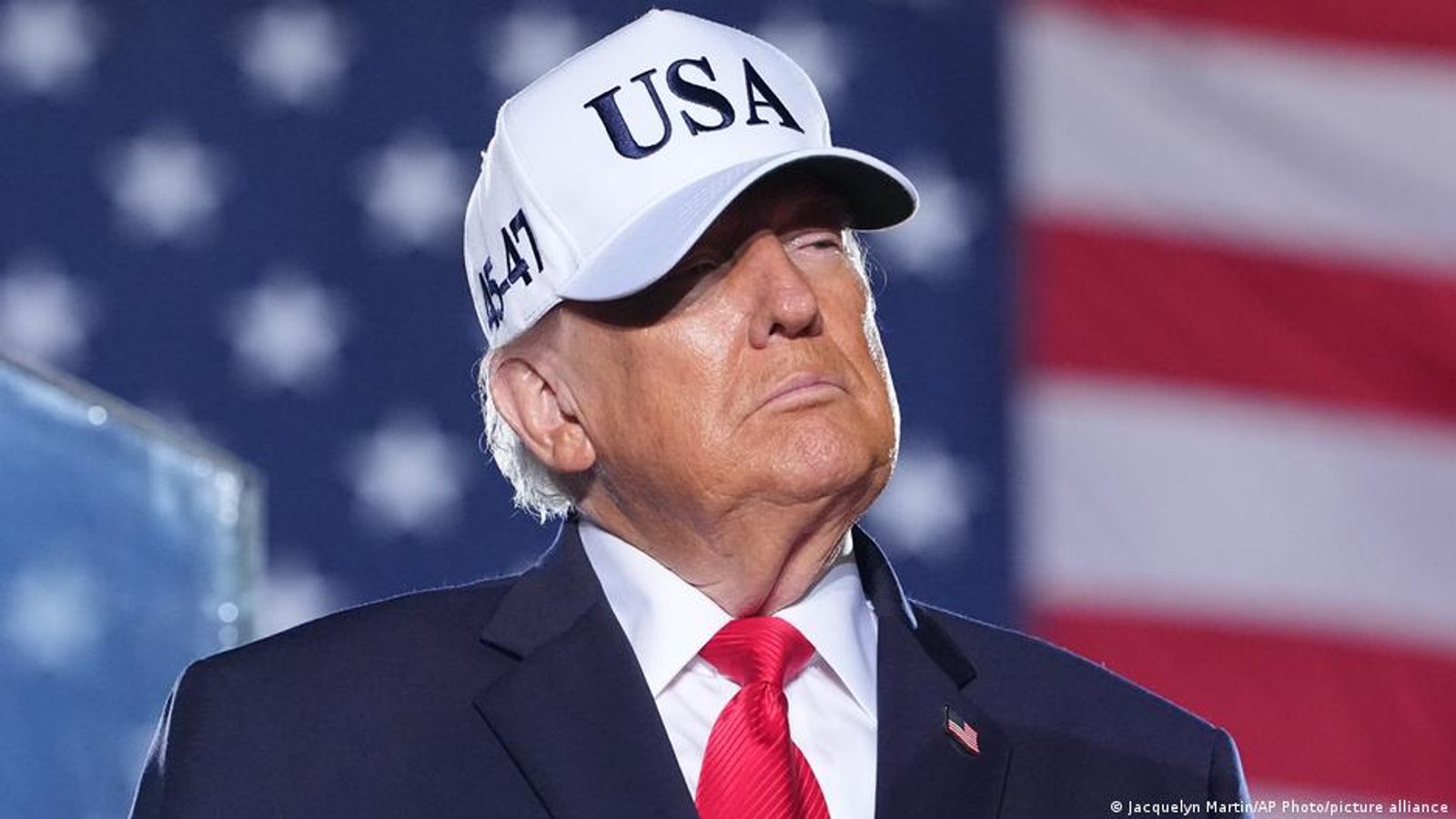
When Russia’s assault on Ukraine began, Joe Biden was president and the United States—together with partners in Europe—became a steady backer of Kyiv with large financial assistance, military aid and weapons deliveries. Under President Donald Trump, U.S. policy shifted: Washington paused some sanctions on Russia and scaled back financial and military support for Ukraine. Democratic control of Congress would likely put support for Kyiv back on the legislative agenda.
“Democrats criticize Trump for not doing enough for Ukraine,” said Brandon Conradis, a former DW reporter and now an editor at Bloomberg Government. “They could push for expanded assistance.” If President Trump vetoes such measures, their fate would depend on the balance of power in Congress; a two‑thirds majority in both chambers could override a veto with cross‑party backing.
Iran and the limits of congressional power
President Trump initiated military action against Iran on February 28—together with Israel—without prior consultation with Congress. Under the U.S. Constitution, Congress must approve declarations of war, and lawmakers have used their authority to vote against the conflict and, along with some Republicans, passed a resolution calling for an end to hostilities. That resolution was ignored by the administration.
“I don’t think Congress has a lot of power on this issue,” said Michael O'Henlon, director for foreign‑policy research at the Brookings Institution. “But it might be able to prevent a serious escalation by refusing to fund it.”
On international development, the Trump administration drastically reduced U.S. support for humanitarian and health programs early in its second term and moved to close USAID, the agency tasked with development assistance. A Democratic Congress could seek to increase appropriations for aid programs and use oversight powers to probe the decision to shut USAID.
“Democrats would use their oversight role to thoroughly investigate the closure of USAID,” Conradis said. “There would be hearings, and Democrats would call the officials responsible for the shutdown before Congress.”
Even if Democrats win one or both chambers, the White House would remain Republican, so a complete reversal of policy is unlikely. “Not everything would change if Democrats take control of Congress,” Conradis added. “But some things would, because the balance of power would be very different from what it is now.”
Photo: press material from the event