Stefan Andonovski: State data kept at over 40 Skopje sites, calls for national data centre
Andonovski says decentralised storage across more than 40 Skopje locations creates risk and that a national data centre would support continuity and AI development.
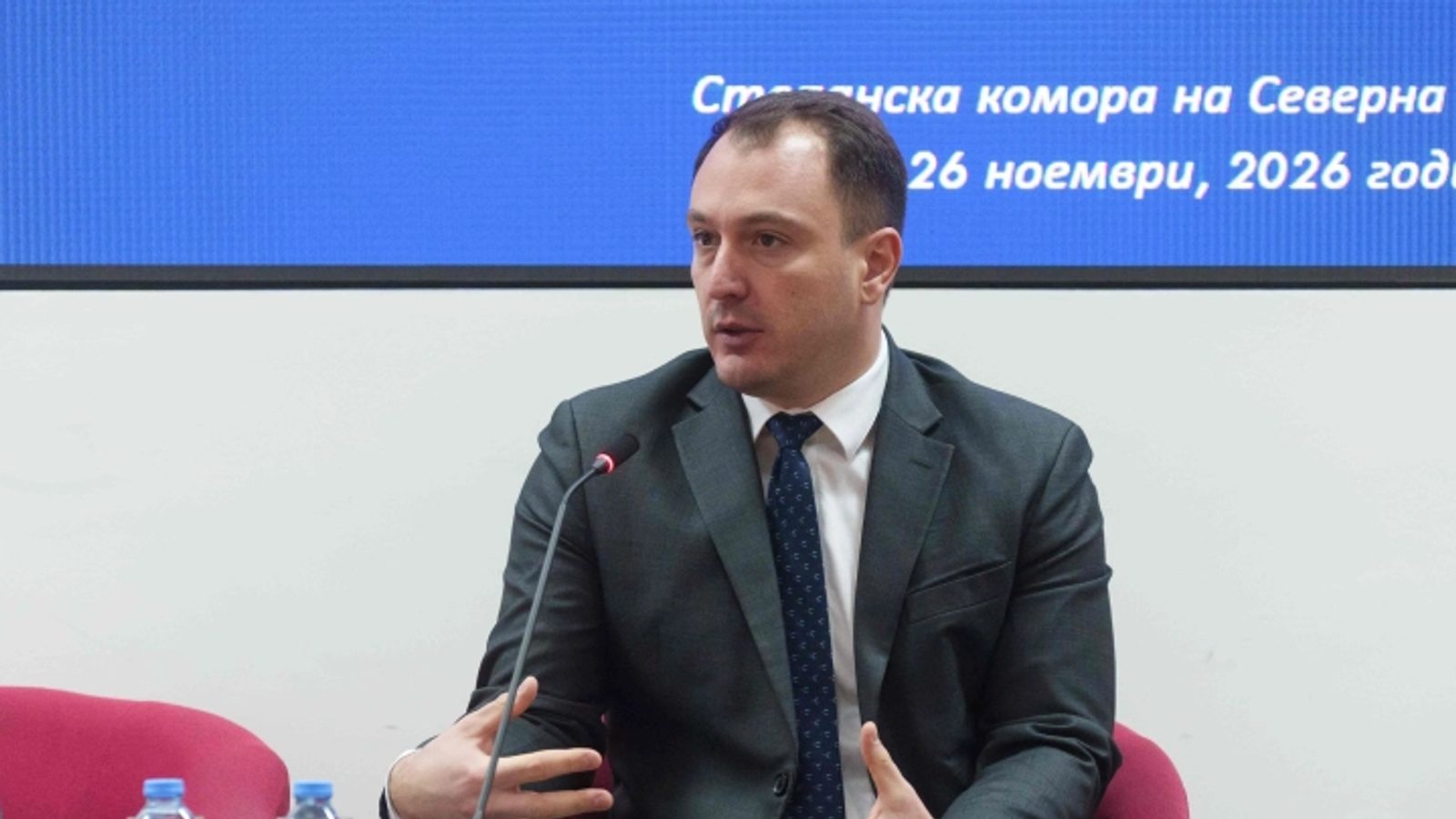
Minister of Digital Transformation Stefan Andonovski said North Macedonia needs a national data centre to guarantee stability and continuity of public digital services and to build domestic infrastructure for developing and deploying artificial intelligence.
Andonovski warned that state systems are currently scattered across the capital: "We have more than 40 locations where data and servers are stored, and they are cared for by various institutions. It often happens that there are interruptions due to technical problems, air-conditioning defects or unstable power supply. This is not only a matter of cybersecurity, but also of the security and continuity of state services," he said.
Project on EU growth plan and longer-term aims
He said the national data-centre project is listed as an indicative project in the EU Growth Plan and in the country’s reform agenda, and that options for additional financing are being explored. The ministry is also participating in regional initiatives with EU support to secure access to AI capacities, he added, but stressed that domestic infrastructure will be essential in the long run.
"There is a real risk that a gap will be created between those who will have access to the resources needed for artificial intelligence and those who will not be able to afford it. Therefore we must invest in our own capacities in time," Andonovski said.
He argued that building data centres could attract foreign investment, foster technology transfer and open new opportunities for local IT firms and engineers. As candidate locations he pointed to abandoned industrial facilities and sites near existing industrial development zones, naming the area around Negotino in particular.
Other panel participants also stressed practical and policy considerations. Petar Peshev of Ultra highlighted the difference between traditional data centres and those designed for AI workloads, noting the latter's much higher electricity demand and more complex cooling systems. Chamber of Commerce president Branko Azeski called for open debate and clear policies linking industry, ecology and new technologies.
UNDP representative Armen Grigorjan framed the green transition as an investment opportunity that can raise economic competitiveness, while Ben Nupnau, Deputy Head of the EU Delegation, said sustainability and investments in energy efficiency, innovation and green technology will make companies more competitive and resilient.
Photo: Printskrin