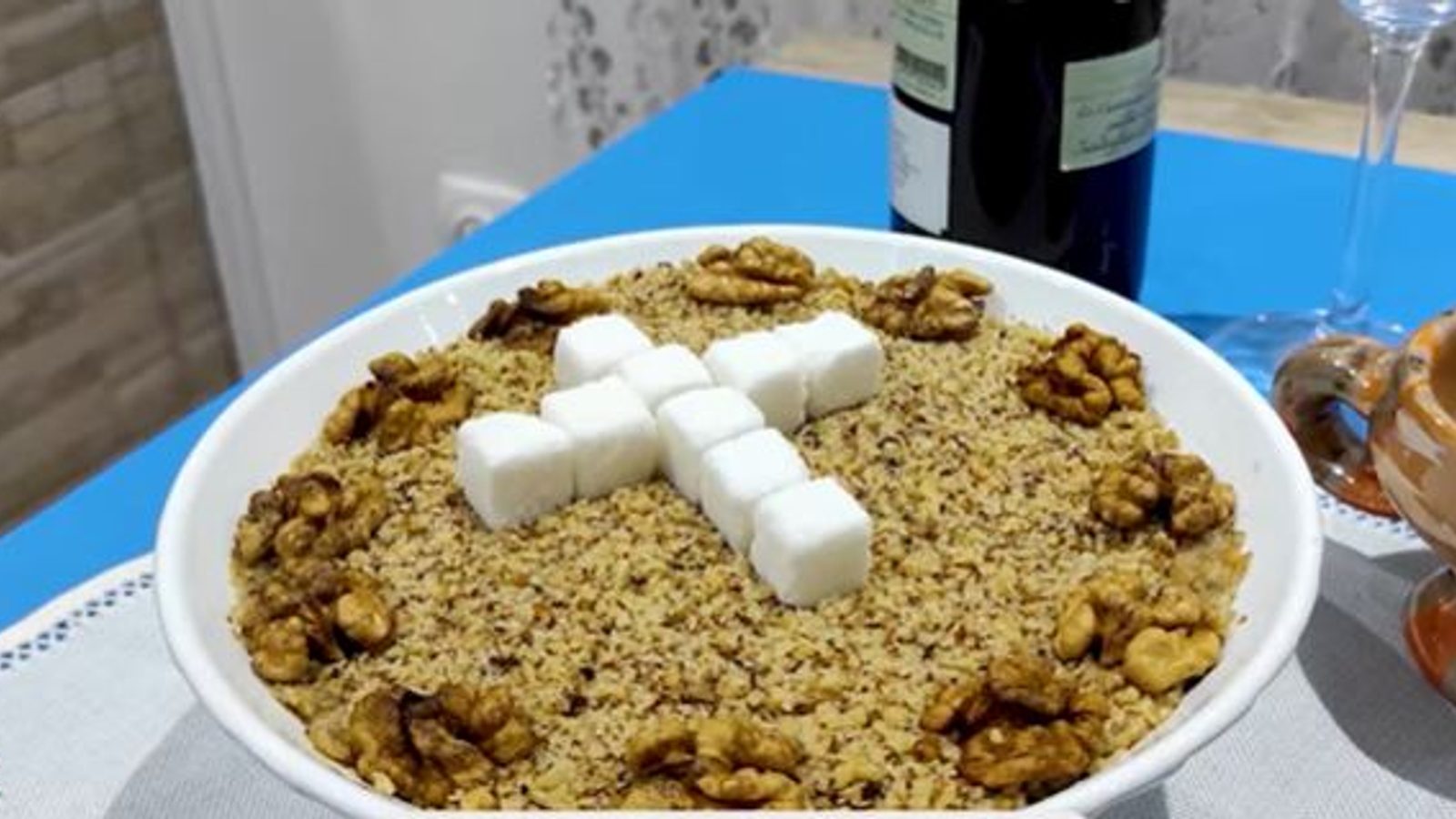
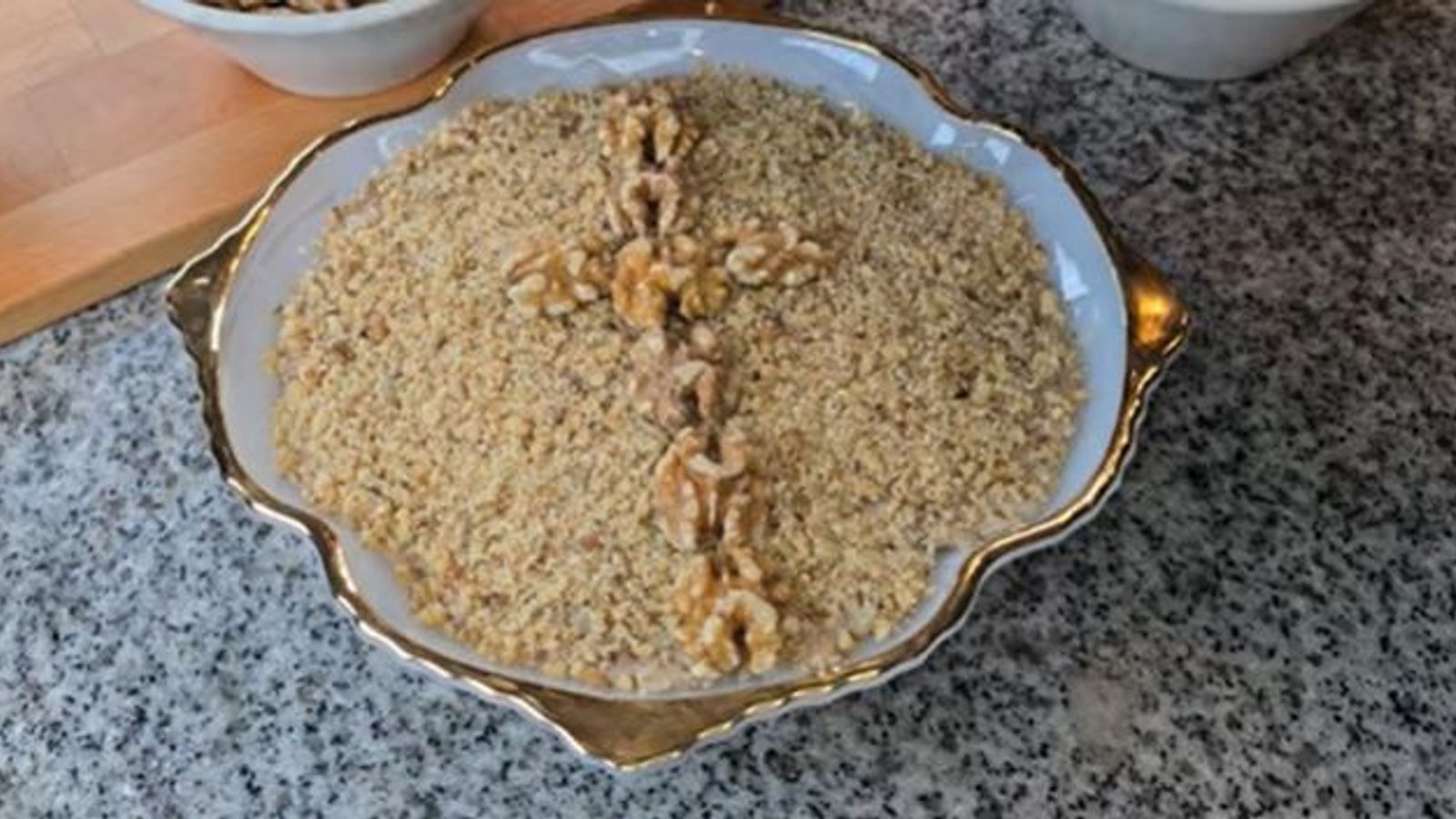
Arandjelovden (21 November): why kolivo must be on the slava table
Arandjelovden falls on 21 November (8 November old style); the Church says kolivo belongs on the table despite folk beliefs.
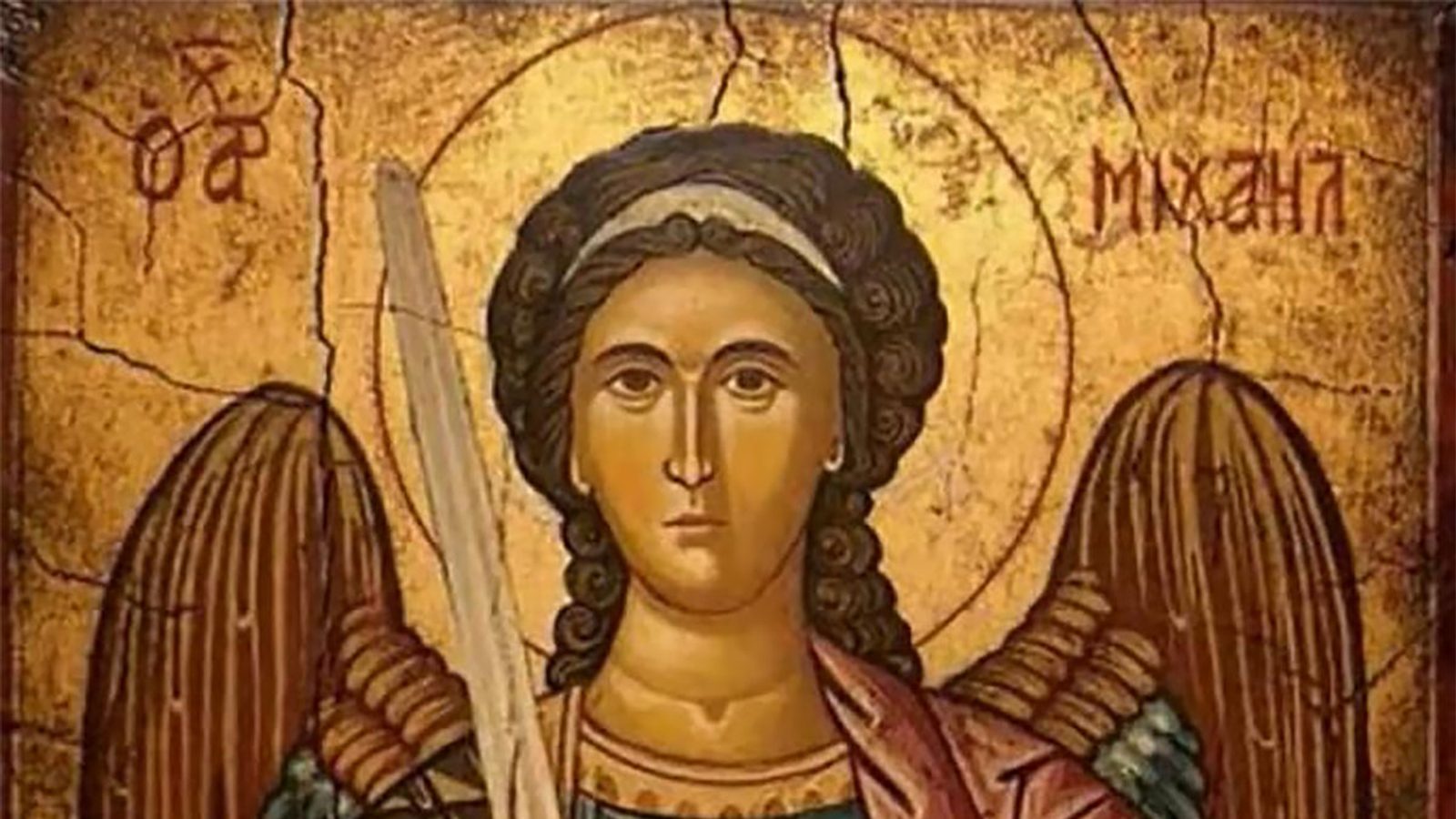
The Macedonian Orthodox Church – Ohrid Archbishopric and believers observe tomorrow (21 November new style, 8 November old style) the Assembly of Saint Archangel Michael, one of the largest autumn feasts and a common household slava in the country.
Many homes will be filled with the scent of slava bread, burning candles and traditional dishes, but every year the same questions return: should the table be fasting or with meat, and is kolivo (boiled wheat) required for the day?
This year the practical answer is clear: because Arandjelovden falls on Saturday (21 November) and the Nativity fast does not begin until 28 November, families prepare a non-fasting (meat) table.
Common misconception about the "living saint"
Among folk beliefs there is a long-standing idea that kolivo should not be made for Arandjelovden because Saint Archangel Michael is a "living saint." That custom has become so entrenched in some households that many hosts treat the omission of kolivo as if it were a church rule.
The Church, however, considers this a misunderstanding. Kolivo is to be prepared for Arandjelovden just as for any other household slava. Boiled wheat carries deep Christian symbolism — it recalls the resurrection, eternal life, and is offered in memory of our departed ancestors, not for the saint himself. For that reason, the candle, slava bread, wine and kolivo are the four mandatory elements to have on the table.
In Orthodox tradition, Saint Archangel Michael is the commander of the heavenly hosts, a fighter against evil and a protector of the righteous. His name comes from Hebrew and means "Who is like God?" The feast is celebrated in November because November is counted as the ninth month after March (the traditional month of creation), symbolising the nine angelic ranks. In some regions he is also honoured as a protector of shepherds — believed to drive off wolves — and the day is an occasion to help the poor and the needy. Listed name-days include: Angel, Angelina, Mihail, Mila, Milka, Mihaela, Miho, Rajko, Rajna, Ratka.
Believers light candles for health and household protection and recite the troparion and kontakion dedicated to the heavenly hosts:
Troparion: "Chief commanders of the heavenly hosts, we, the unworthy, continually implore you: with your prayers protect us, shelter us under the cover of the wings of your ineffable glory, guarding us who devoutly bow before you, and whom we call upon: deliver us from troubles, as leaders of the higher powers."
Kontakion: "Chief commanders of God, servants of the divine glory, rulers of the angels and guides to people, ask for us what is beneficial, and great mercy, as incorporeal leaders."
Photo: press material from the event