Arin Agich — Sports Psychotherapist at Hungarian First-League Club TFSE
Macedonian Gestalt psychotherapist Arin Agich is the new member of TFSE's technical staff, continuing her work with the under-18 national team.
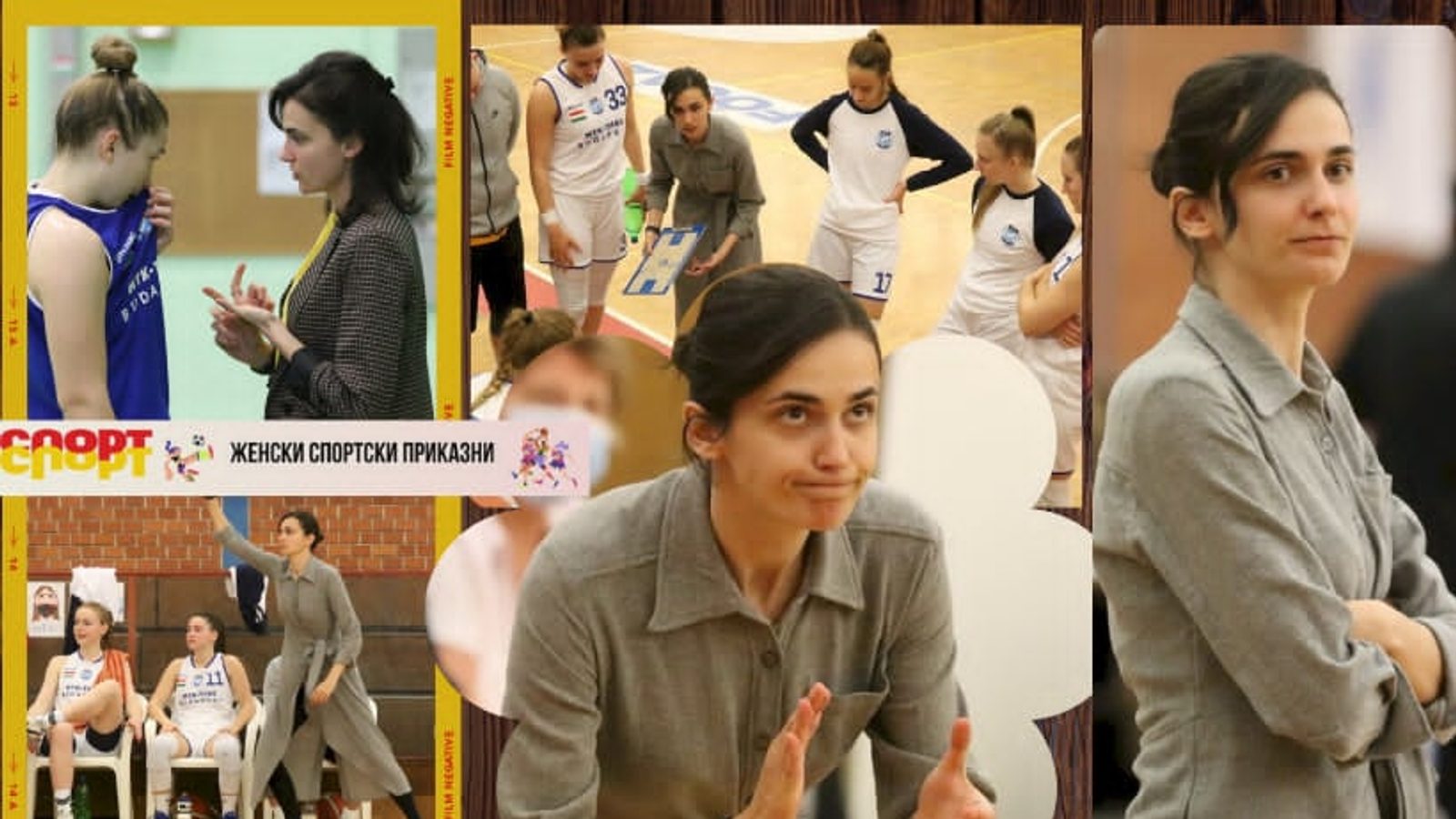
Arin Agich has been appointed as a sports psychotherapist at Hungarian first-league club TFSE, a position that builds on her long-standing relationship with the club and combines practical on-field experience with academic education and psychotherapeutic practice. She has been associated with the club for nearly ten years and today brings the knowledge acquired as a player, coach and therapist to support the athletes' mental health.
The path: from basketball player to mental coach
Arin builds her professional story at the intersection of disciplines: she is a Gestalt psychotherapist, a PhD candidate in the sociology of sport at the Hungarian University of Sports Sciences, and a long-time participant in basketball as a player and coach. Ten years ago she left North Macedonia and step by step built her career in Hungary — from player, through assistant coach, to today’s role with the first team.
On the motives and changes in her professional approach, Agich says: "I have always had a strong desire to help athletes, but also people in general. Through my experience as a basketball player, and later as a coach, I realized how great an influence mental health has on every aspect of life and sport. At the same time, I noticed that this part is often missing especially among athletes, who face daily pressure, expectations, injuries, successes and failures. Then I understood that I wanted to bring that important element into my work and offer them more complete support."
Since 2025 she has also been an assistant coach of the North Macedonia women's under-18 national team, which further confirms her dedication to young athletes. She sees working with young people as a key opportunity to establish habits for caring for mental health from the start of a sporting career.
Regarding the most common psychological challenges among elite athletes, she points to the pressure to remain at the highest level, the fear of failure, injuries and the decline of self-confidence. "In difficult periods athletes sometimes withdraw and isolate themselves, which can further complicate the situation. Therefore, my main advice is not to go through that alone and to know that they are not alone. The first and most important step is to ask for help. Support can be obtained from family, teammates and the coaching staff, and especially from professionals in mental health. Asking for help is not a sign of weakness, but an important step in taking care of oneself," she says.
Agich emphasizes that in the region smaller steps are being taken toward including mental preparation in sports structures, but that a systematic and long-term approach is needed for that support to become a normal part of the work of clubs and federations. For her, the new engagement at TFSE is "the beginning of a new and exciting chapter" and a chance to improve the well-being and development of the players and the team.
Photo: archive of Arin Agich