Branko Azeski urges changes to Public Procurement Law to favour quality and domestic firms
At meetings with regional chambers in Prilep, Bitola and Kicevo Azeski called for simplified procedures, anti‑corruption measures and digitalisation.
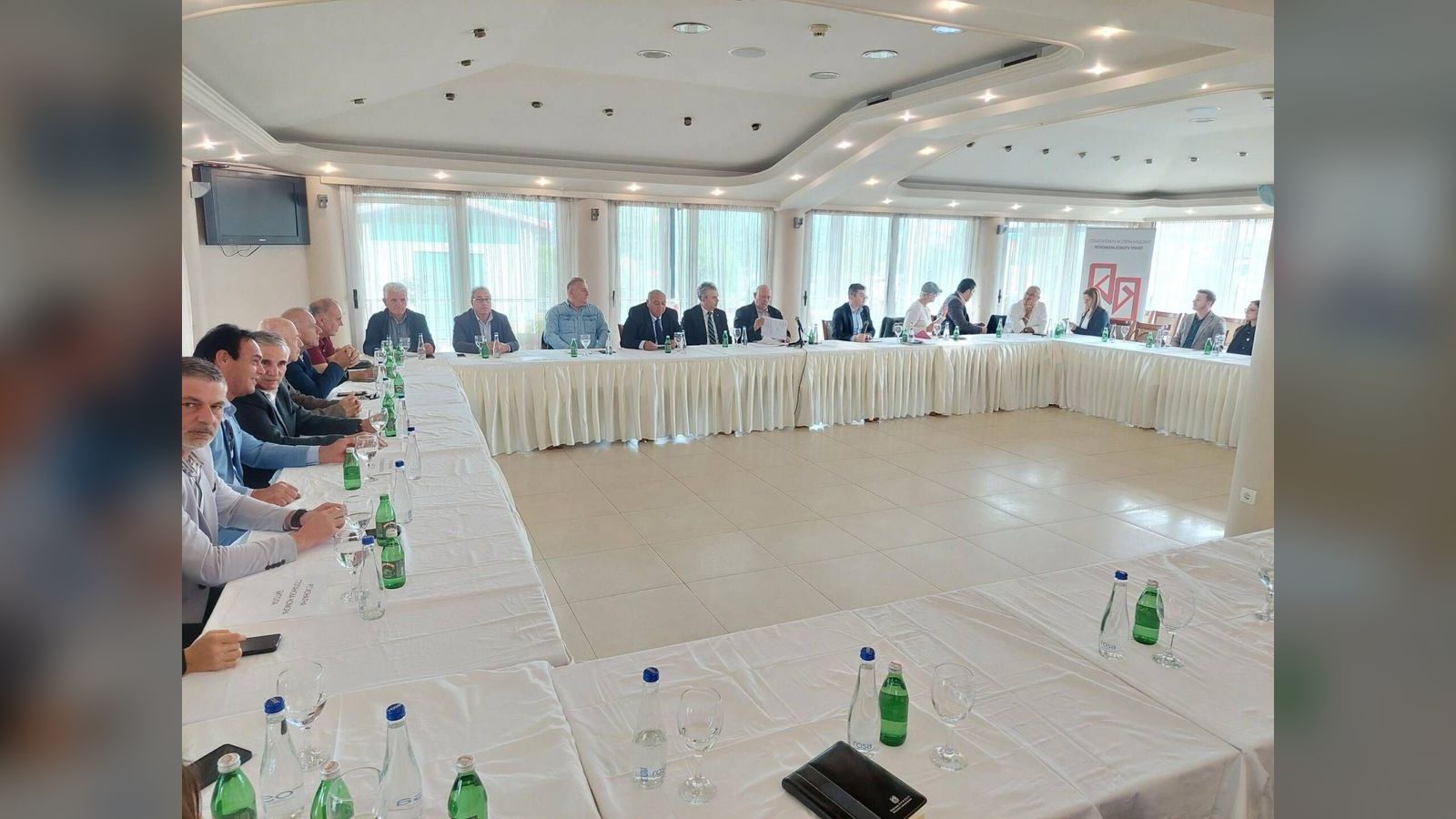
Branko Azeski, president of the Chamber of Commerce of North Macedonia, met with business representatives from the regional chambers in Prilep, Bitola and Kicevo to discuss obstacles to stronger local economic growth. The meetings were attended by Prilep mayor Dejan Prodanoski and members of the Chamber’s board.
Azeski highlighted that the Public Procurement Law needs targeted amendments so that procurement criteria reward quality rather than automatically favouring the lowest bid, and so domestic companies receive priority over foreign bidders where appropriate. He said the Chamber is ready to support measures that simplify administrative procedures and the issuance of permits and documents by state institutions to ensure smooth business operation.
Regional proposals and priorities
Participants agreed that adopting the Chamber’s proposals would also contribute to intensifying the fight against corruption and advancing digitalisation of administrative processes. The meeting also touched on the initiative to designate Sunday as a non‑working day and changes to the Law on Holidays, issues the parties said require broader public debate given differing views and practices.
The Regional Chamber in Prilep submitted three concrete initiatives. First, a proposal to reduce or temporarily suspend customs duties on raw materials that are not sufficiently available domestically, to prevent shortages and protect exporters and manufacturers from losing markets.
Second, an initiative to revise the legal framework on sick leave in order to reduce the operational disruption long absences cause employers—through task redistribution, extra hires or overtime—while explicitly protecting legitimate medical leave and medical assessments.
Third, a request for rehabilitation and improvement of the Prilep–Rakle road, which businesses say affects freight transport and daily operations, especially for firms moving goods and inputs along that route.
Speakers emphasised that fast, high‑quality road and rail links and a gas pipeline are central to development of the Pelagonia–Prespa economic region. That region accounts for 14 percent of national GDP, hosts 8,600 business entities, posted growth of 3.5 percent and increased exports, and has 10 newly registered companies.
Photo: press material from the event