Acacia (bagrem): the underrated firewood with the highest heat output
Acacia (bagrem) is dense, burns long and can deliver higher energy per cubic meter if properly seasoned.
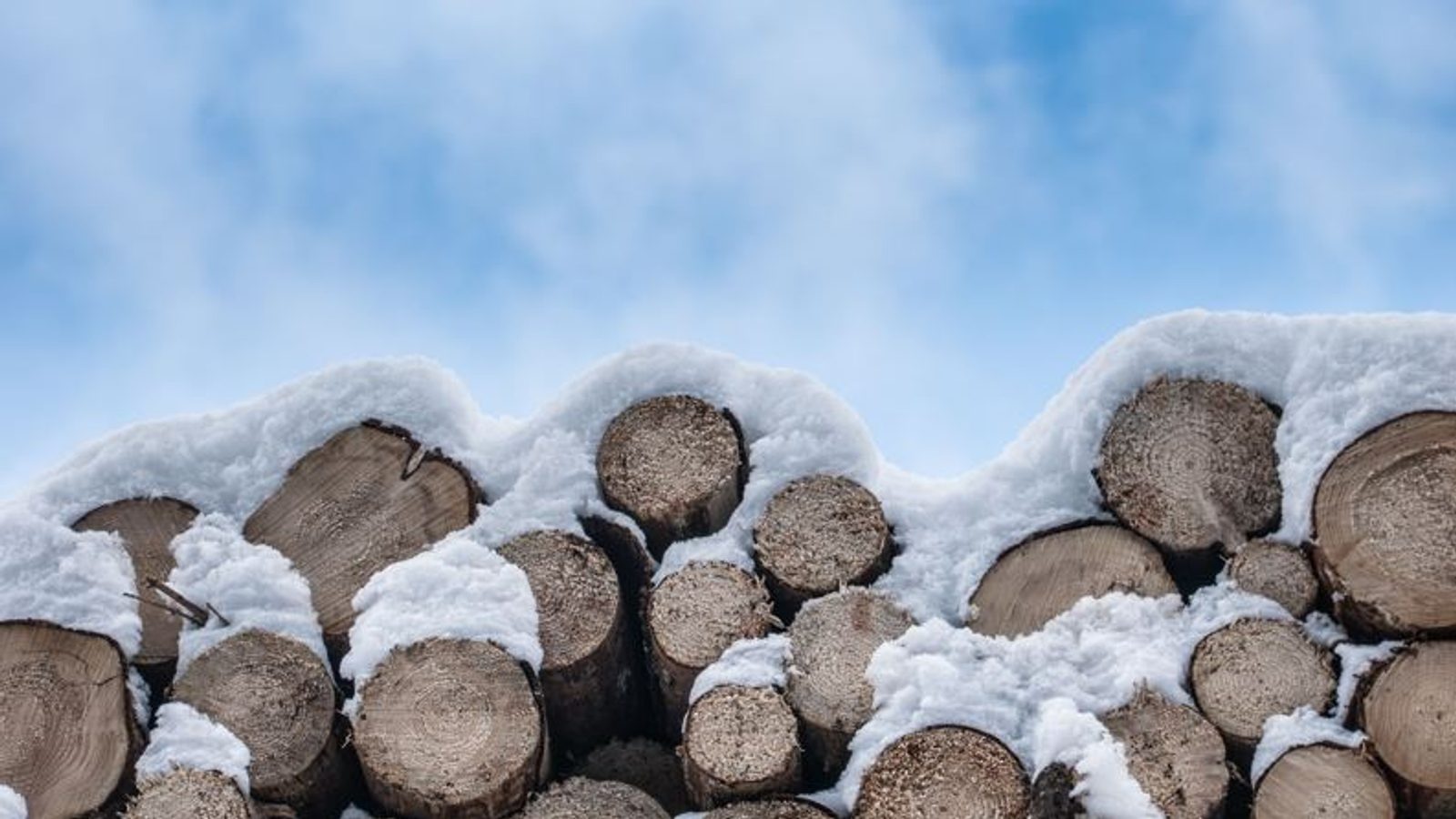
Before the cold weather arrives, choosing the right firewood and preparing it correctly matters as much as the stove you use. Beech, hornbeam and oak remain popular choices across the region, but another hardwood is often overlooked: acacia (commonly called bagrem in local usage).
Acacia is a dense, hard wood that burns slowly and keeps embers for a long time. Split into thin pieces it helps start the fire, while larger logs are ideal to add once the flame is established because they sustain heat and glow for extended periods.
Measured at around 15 percent moisture, acacia can reach an energy value of approximately 2.040 kilowatt-hours per cubic meter. By comparison, oak is about 1.890 and beech about 1.850 kilowatt-hours per cubic meter at the same moisture level.
Practical factors that matter
Energy content alone does not determine effective heating. Stove or boiler efficiency, how the wood is loaded, log size and—most importantly—the moisture content of the wood all influence how much usable heat you actually get.
Experts note differences among common species: birch has a very high calorific value and lights easily but can rot if stored exposed to the elements and may leave tarry residues in chimneys; resinous conifers like pine and spruce ignite quickly and produce strong flames but burn fast and deposit soot, so they are better as kindling rather than primary fuel.
For efficient burning, firewood should be dry. Freshly cut wood contains a lot of water, so some of the combustion energy goes into evaporating that moisture instead of producing heat. Wet wood is harder to ignite, creates more smoke and leaves deposits in the chimney. A practical target for efficient combustion is roughly 20 percent moisture.
Storage tips:
- Do not stack firewood directly on the ground—use pallets or an elevated base to avoid ground moisture.
- Leave space between logs to allow air circulation and speed drying.
- Protect the top of a standing stack from rain and snow, but keep the sides open for ventilation.
In short, acacia is an excellent option for households that can obtain and properly season it, but beech, hornbeam and oak remain solid choices when cut, dried and stored correctly. The final decision should depend on wood dryness and good preparation rather than on species alone.
Photo: press material from the event