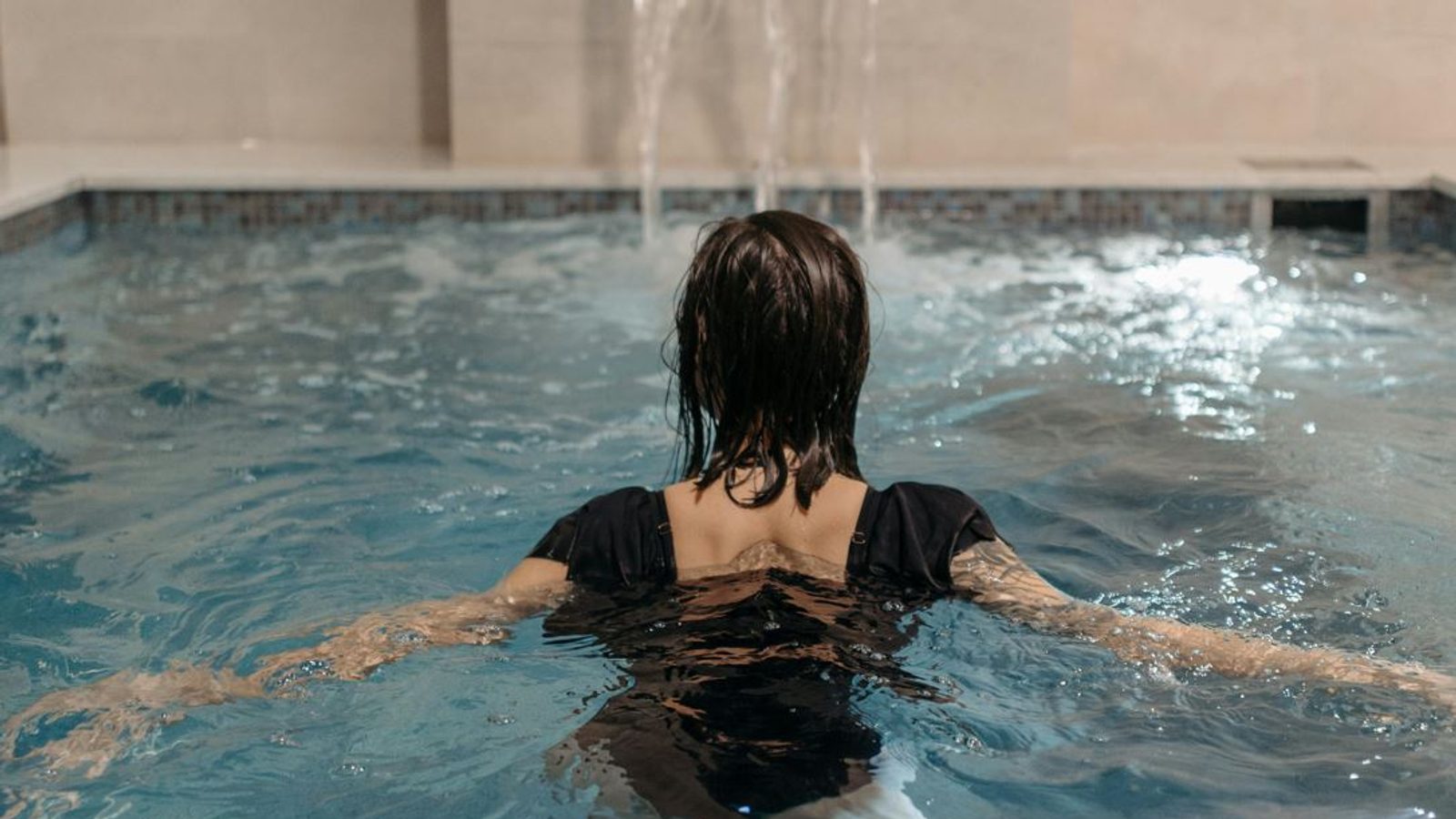
Bansko spa and the Monastery of the Forty Martyrs: thermal healing and quiet
A short path from Bansko Spa leads to a medieval monastery where renewed monastic life meets centuries-old thermal traditions.
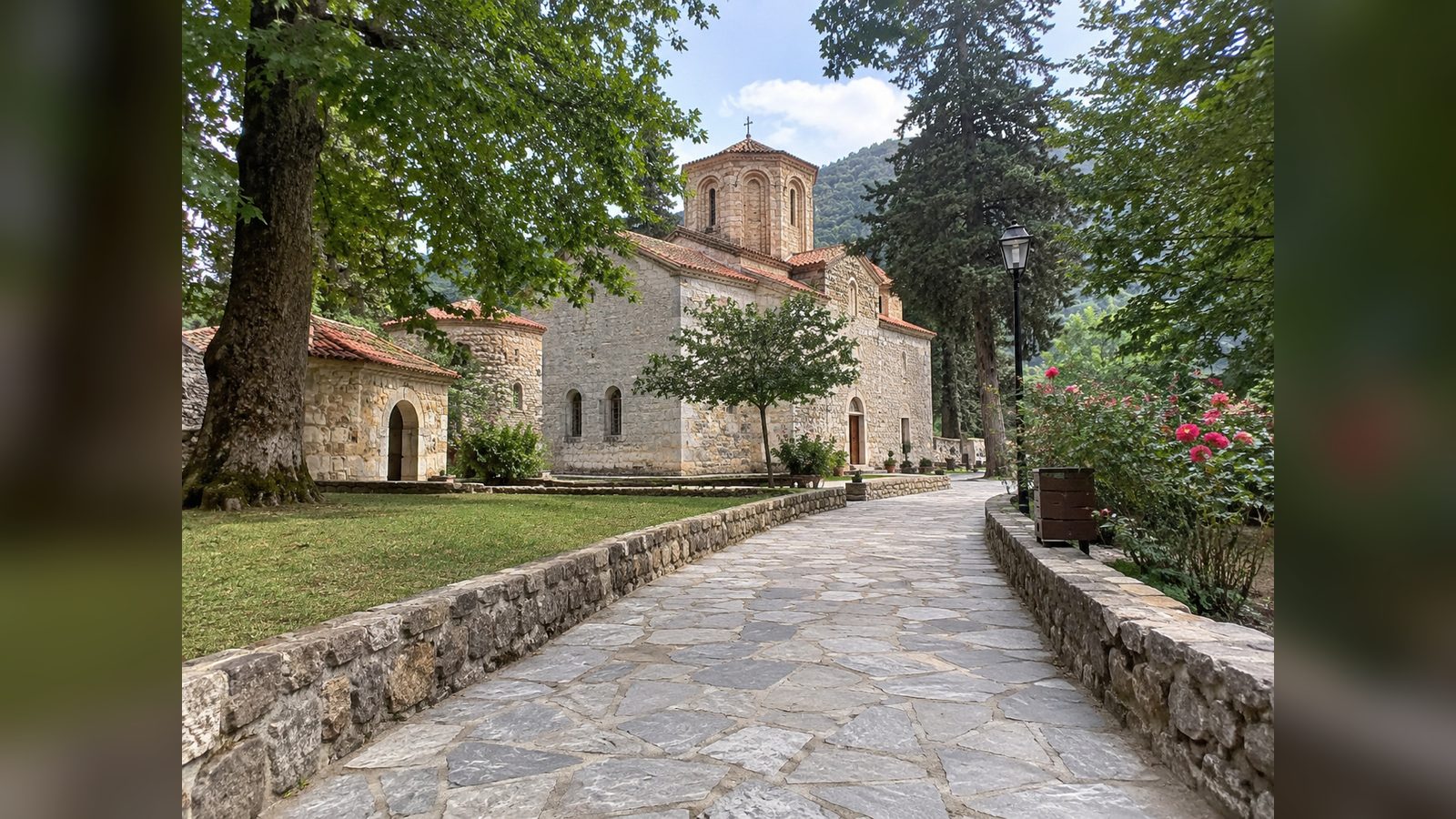
At the foot of Belasica, about 12 kilometres southeast of Strumica, Bansko combines long-standing thermal-bathing traditions with a quietly revived medieval monastery. The village’s spa draws visitors for rehabilitation and rest, and a short path through the surrounding greenery leads to a monastic complex dedicated to the Forty Martyrs of Sebaste.
Ancient stones, renewed monastic life
The Monastery of the Forty Martyrs of Sebaste sits roughly half a kilometre north of Bansko village. Architectural and archaeological studies link the old church to the 12th–13th centuries: its floor plan is a free-cross type with a developed altar area and traces of a synthronos, suggesting that the building once fulfilled an important ecclesiastical role.
During Ottoman times the church was expanded; fragments of a former marble iconostasis have been found among decorative and structural remains. The monastic community there was re-established on 1 September 2001, when the first monks arrived from Vodochki Monastery and began restoring spiritual life. A painting atelier was set up, and in November 2004 the printing house "Sveti Teodosij Sinajski" with a bookbinding workshop started operating inside the complex.
The monastery is dedicated to Christian soldiers venerated in Orthodox tradition as the Forty Martyrs of Sebaste, who were executed in Sebaste for refusing to renounce their faith. For many visitors the site functions as a place for prayer, silence and spiritual consolation alongside physical recovery.
Only a few minutes’ drive from the monastery lies Bansko Spa, one of the country’s better-known natural healing centres. Thermal springs in this area were used already in Roman times; remains discovered in 1978 during construction of Hotel Tsar Samuil revealed a Roman bath complex of ten rooms covering about 1,000 square metres and a pool supplied from the Parilo spring.
The Parilo source produces hyperthermal mineral water heated to roughly 72–73 °C. Chemically the water is described as sodium–sulphuric, alkaline and nitrogenous; owing to its high temperature it is prepared and applied under controlled therapeutic conditions.
The spa facilities are linked to the Centre for Extended Treatment and Rehabilitation "Tsar Samuil", offering balneotherapy, hydrotherapy and aquatic exercise. Treatments are prescribed individually and used for a range of conditions including rheumatic and degenerative joint diseases, sciatica and polyarthritis, certain neurological disorders, rehabilitation after fractures and musculoskeletal injuries, some respiratory and digestive conditions, and selected gynaecological problems.
What sets Bansko apart is the possibility to combine medical care with nature and spirituality: after therapy, patients and visitors often walk to the monastery or through the Belasica foothills, blending physical rehabilitation with quiet reflection in a rural landscape where healing water, history and faith sit within a few steps of each other.
Photo: press material from the event