Global air travel demand fell 1.7% in June, Iran war blamed for sharp Middle East drop
IATA: decline driven mainly by a steep traffic collapse in the Middle East and weaker domestic markets in China, the U.S. and Japan.

Global demand for air passenger transport in June fell by 1.7 percent year-on-year, mainly due to a sharp drop in traffic in the Middle East caused by the war with Iran, as well as weaker domestic demand in China, the US and Japan, the International Air Transport Association (IATA) said.
The total capacity of airlines, measured in available seat-kilometres, decreased by 1.3 percent, while the passenger load factor fell by 0.4 percentage points to 84.2 percent.
If data for the Middle East are excluded from the calculations, global demand would have decreased by a much more moderate 0.6 percent.
International and domestic traffic
International passenger traffic decreased by 0.9 percent compared with the same month last year, but excluding the Middle East there was an increase of 1.1 percent. International capacity fell by 0.6 percent, and the load factor was 84.2 percent.
Domestic demand registered a drop of 3 percent, with capacity down 2.4 percent and a load factor of 84 percent.
The largest decline was recorded among carriers from the Middle East, where international demand fell by 14 percent and capacity by 11 percent. Their load factor decreased by 2.6 percentage points. IATA says the military conflict with Iran continues to strongly affect air traffic in the region, although the pace of the decline has halved compared with April, as airlines gradually normalize their operations.
"Global demand for air transport in June was 1.7 percent lower compared with 2025," said IATA Director General Willie Walsh. He warned that renewed tensions and higher fuel prices will make the region's recovery more difficult and could further push up airfares.
In contrast to the Middle East, European airlines recorded a 1.5 percent increase in international demand, while routes between Europe and Asia saw an 11 percent rise, the highest result among the major international air corridors. Airlines from Asia-Pacific registered a 0.4 percent increase in demand, although their capacity was reduced by 1.1 percent — IATA notes that higher fuel prices forced some carriers to cut flights on shorter Asian routes. The strongest demand growth was recorded among African carriers – 6.7 percent, followed by carriers from Latin America with 3.5 percent growth. For North American carriers, international demand fell by 1 percent and capacity by 0.7 percent.
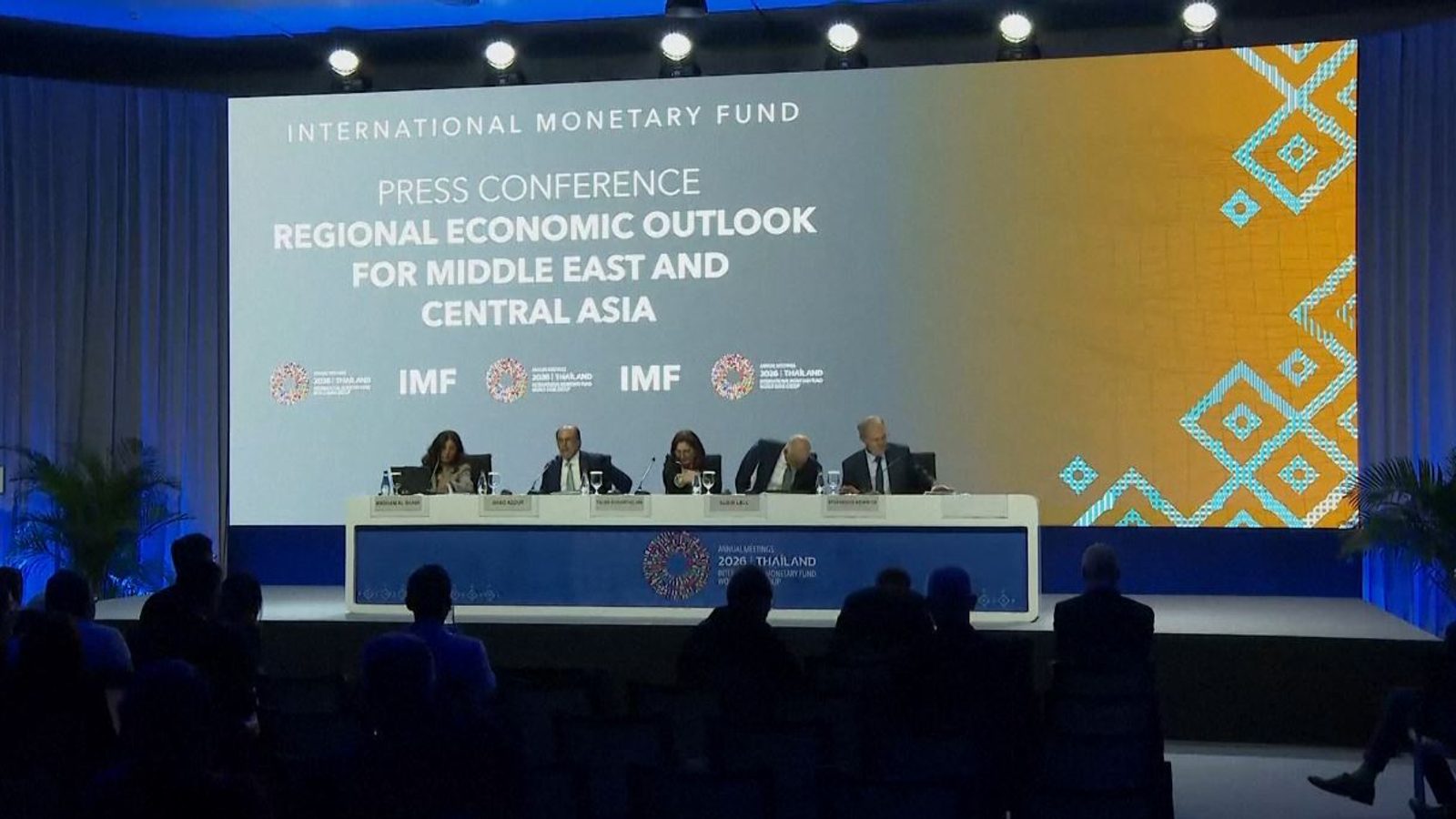
Photo: press material from the event