Berlin sceptical: Student List omits explicit EU membership goal
After the Student List's victory on 25 October 2026, Berlin and Brussels want clarity on Kosovo, relations with Russia and Belgrade's EU orientation.
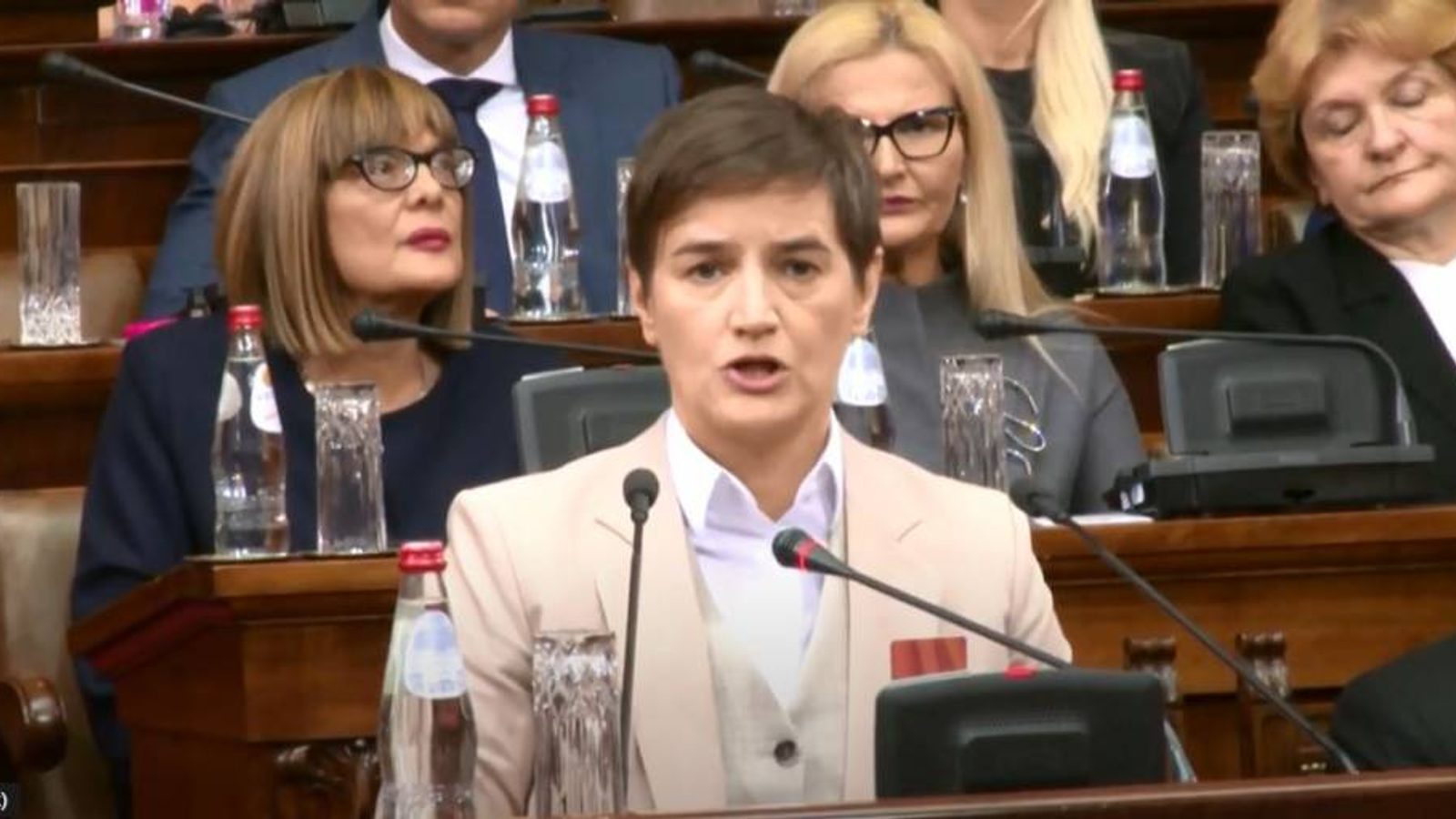
Berlin has expressed reservations about the foreign-policy direction outlined by Serbia’s Student List after the movement won a decisive mandate in the 25 October 2026 parliamentary elections. The new government is still being formed, and EU capitals are watching whether Belgrade’s rhetoric will translate into a clear strategy on the European path, Kosovo and relations with Russia.
Key questions ahead of the Brussels summit
Leaders of the European Union and the six Western Balkan partners meet in Brussels on 25 November 2026, with the bloc emphasising reform progress, the Growth Plan for the Western Balkans and shared security challenges. "The future of the Western Balkans is in the European Union," European Council President Antonio Costa said when announcing the summit.
In its early-November 2026 progress report the European Commission criticised the previous government of Aleksandar Vučić for backsliding on human rights, media freedom and academic freedoms. Still, Brussels notes that the Student List holds a strong reform mandate. "Serbia has a chance for a new beginning," Commissioner for Enlargement Marta Kos declared.
Berlin analysts say the problem is not the election result but the new administration’s still-uncertain orientation. "How the new Serbian government will look, what it will deal with and how it will operate is a question being asked both inside and outside Serbia. So far there are no answers," says Adi Cherimagic of the think-tank European Stability Initiative in Berlin.
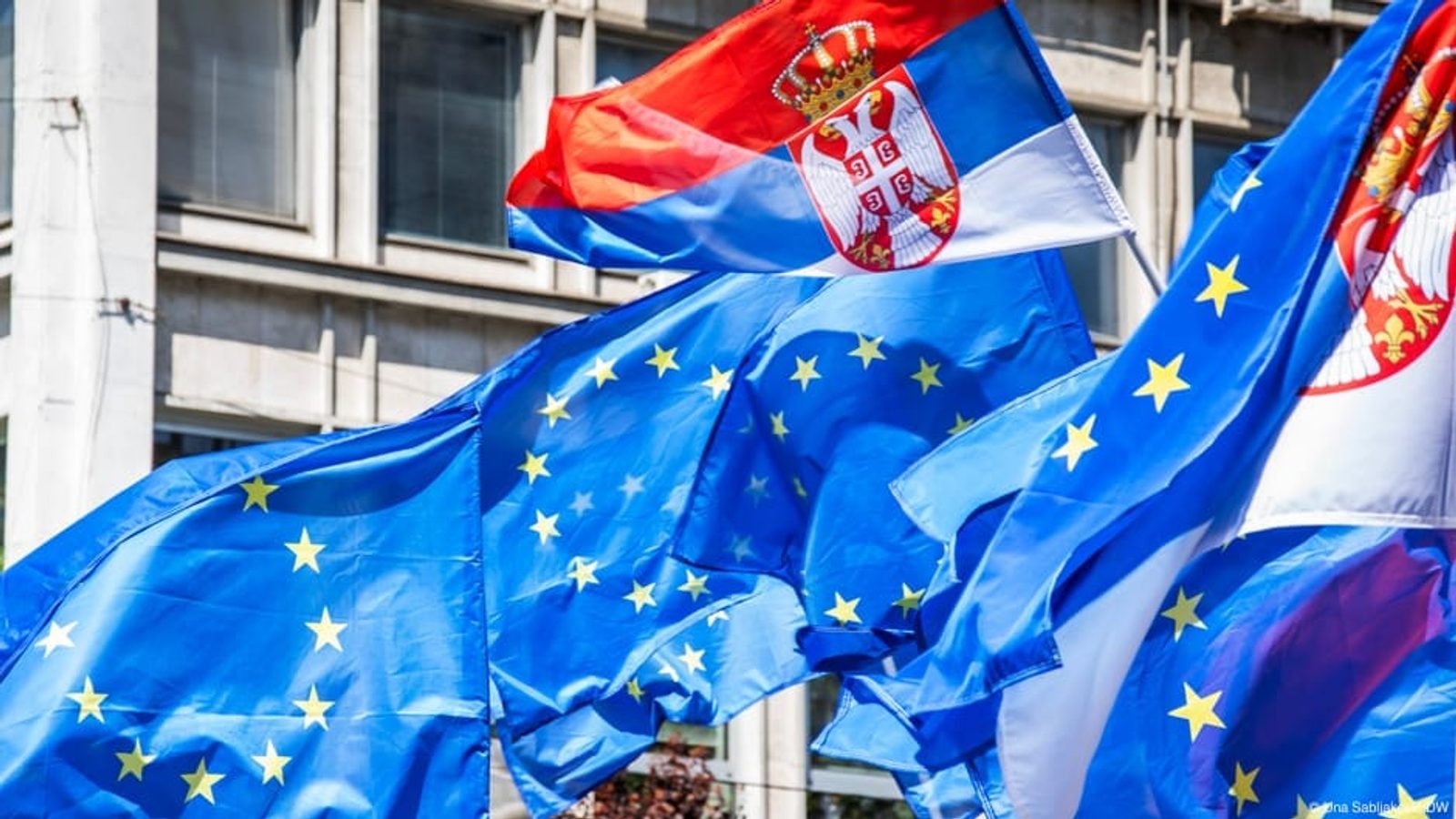
That uncertainty is sharpened by the Student List’s published foreign-policy programme, which has drawn criticism in Germany because it does not list EU membership as an explicit goal. "If the foreign-policy programme of the Student List is implemented as foreseen, setbacks in Serbia's foreign policy orientation can be expected," Bundestag member and CDU foreign-policy expert Peter Bayer warned. He added: "European integration is not a question of tactical opportunism, but a strategic decision for the developmental direction of a country. We want Serbia in the EU. But a democratic new beginning in domestic politics and a stall in foreign policy cannot go hand in hand."
SPD foreign-policy spokesperson Adis Ahmetovic urged patience, arguing the movement brings together people with varied convictions united primarily by demands for democracy and rule of law. "If our support is desired, Berlin and Brussels should be prepared as reliable partners. Not with advice, but with concrete help in building independent institutions, an efficient public administration and a functional rule of law," Ahmetovic said.
Analysts characterise the Student List’s programme as pragmatic and cautious while noting a strong emphasis on national questions: the chapter headed "Serbs in the region" signals a protector role toward Serb communities abroad rather than a chapter titled "Serbia and the region." Kosovo remains the most sensitive issue. The programme treats Kosovo as part of Serbia and promises a "re-examination of previous agreements"—the chapter even begins with the words: "We will fight."
German observers do not expect immediate escalation, nor formal withdrawal of recognition campaigns against Kosovo, but propose a period of calm for negotiations. "My impression is that students are considerably more willing to dialogue than was the case with Aleksandar Vučić," Green Party rapporteur Boris Mijatovic commented, and he suggested at least a 100-day cooling-off period. Relations with Russia also show no radical change in the programme: friendly ties are to be maintained and sanctions rejected, while the existing gas supply deal has been extended to March 2027 — a detail that keeps energy questions on the agenda as contacts with Moscow evolve.
Photo: press material from the event