Bogovino Lake on Shar Mountain warming and contaminated; bacterium found from waste above the lake
Survey in August 2026 recorded surface temperature of 19 °C, depths of 1–2.1 m and presence of a bacterium from waste above the lake.
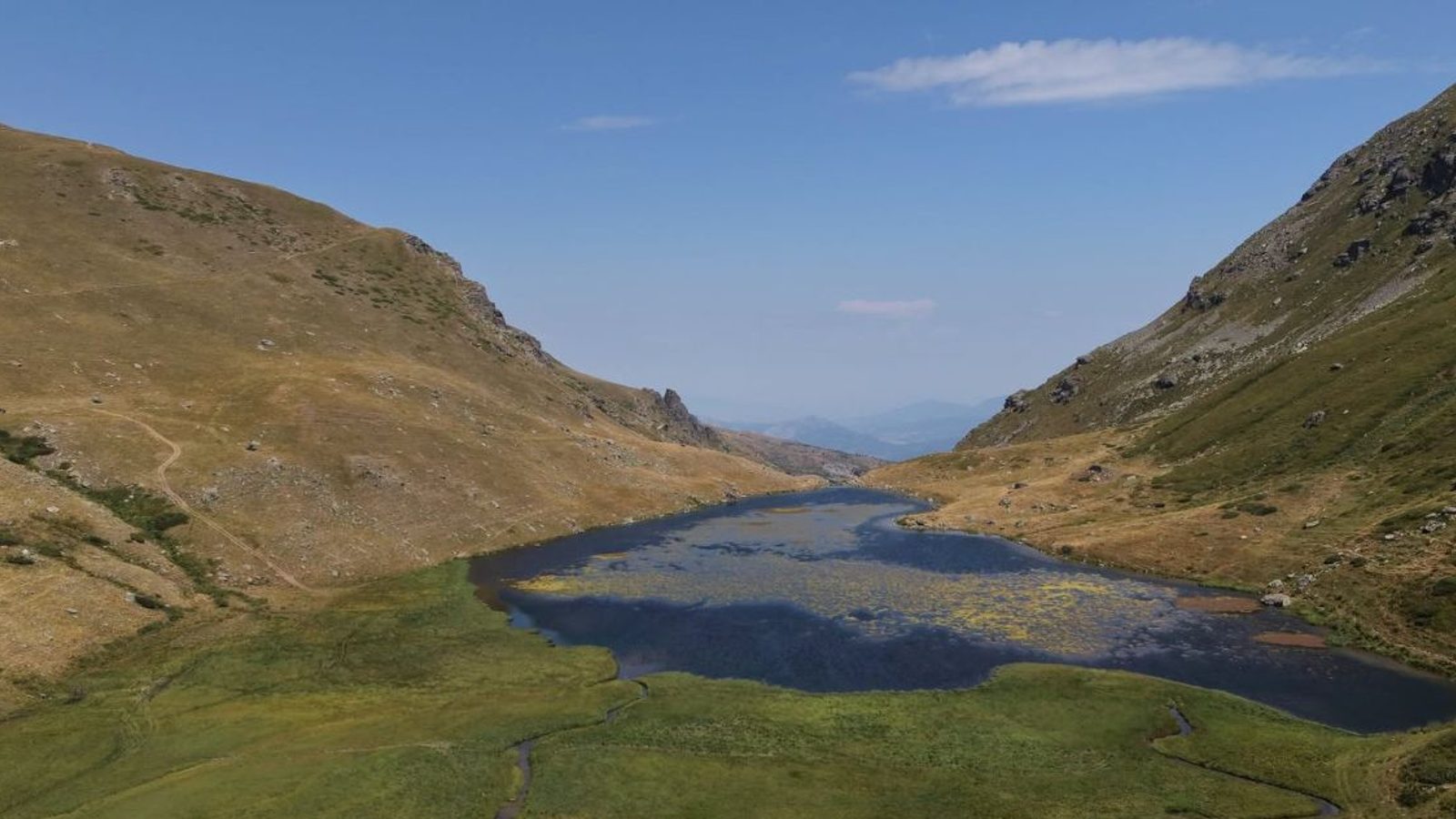
Field research at Bogovino Lake on Shar Mountain found unusually warm summer water temperatures for a high‑altitude glacial lake and evidence of contamination: the investigation reports that "there is a bacterium from the waste materials from the bachilo above the lake."
The lake lies inside the strict protection zone of the National Park "Shar Mountain," where activities that could disturb the ecosystem are prohibited. Park measurements and samples taken during 2025 and a new survey in August 2026 have raised concerns about the state of the lake.
"After the first measurements made in November 2025, a new survey was carried out on 14 August 2026, with measurements of depth, clarity and water temperature, as well as sampling of water and algae for further analyses. What did the field measurements show? At ten sampling points depths of 1 to 2.1 metres were recorded. The water was clear enough that the bottom could be seen at all measuring points. Surface temperature was 19 °C, and at a depth of 2 metres — 17.5 °C. By comparison, in November 2025 the water temperature was 4 °C. Such summer water temperatures in a high‑altitude glacial lake deserve special attention. In conditions of climate change and rising average annual temperatures, warming of shallow mountain lakes may become increasingly pronounced. Higher water temperature can accelerate biological processes and affect the balance of the lake ecosystem. However, to determine whether this represents a long‑term warming trend, regular measurements in different seasons and years are needed," said the National Park "Shar Mountain".
What the measurements mean for the lake
Experts warn that warmer water increases biological activity and can change oxygen regimes, nutrient cycling and algal growth. In shallow glacial lakes a sustained rise in summer temperatures can push the ecosystem toward a different state, with consequences for native flora and fauna.
The reported presence of a bacterium linked to waste materials from the bachilo above the lake signals a separate pressure: pollution from nearby waste sources can introduce nutrients and pathogens that further destabilise water quality. Park officials say laboratory analyses of the water and algae samples are under way to clarify the scale and origin of contamination.
Park staff and environmental specialists stress that continued, seasonally repeated measurements are necessary to establish trends and guide any protective measures. For now, the combination of unusually high summer temperatures and detected bacterial contamination has put Bogovino Lake under closer observation by the National Park authorities.
Photo: NP