Bolsonaro and Lula in a Tight Race — Brazil's Runoff Could Decide the Amazon's Fate
Close polls and recent deforestation data make the 25 October 2026 runoff consequential for the Amazon and global climate.
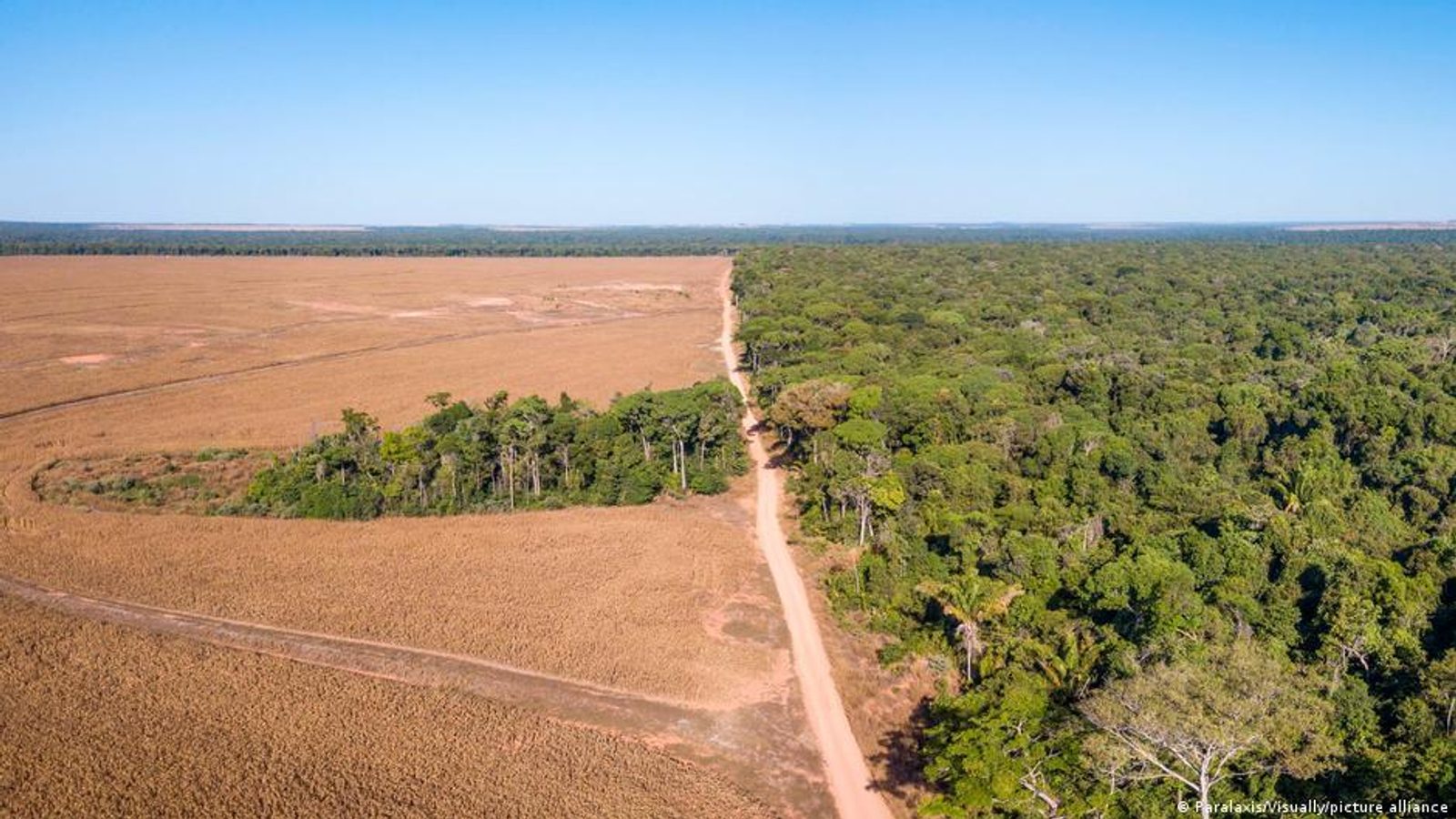
The second round of Brazil's presidential election on 25 October 2026 is being watched worldwide because the outcome could have major consequences for the Amazon rainforest, deforestation rates and the country's climate policy.
Environmental stakes in a close vote
About 60% of the Amazon rainforest lies within Brazil's borders, making Brazilian policy a critical factor for a global carbon sink. In the first round, Flavio Bolsonaro finished ahead of the incumbent Luiz Inacio Lula da Silva with roughly 47 percent to 45 percent, although many pre-election polls had predicted a Lula lead. Immediately before the runoff, polls show a narrow advantage for Bolsonaro.
Environmental groups and researchers warn that a Bolsonaro victory would likely roll back protections introduced in recent years. "It would be a return of Bolsonaro, but in an even more radical form," said Claudio Angelo of the Climate Observatory. "To risk sounding alarmist, I would say that Lula's re-election is the only thing standing between us and the end of the Amazon."
Deforestation accelerated during the previous Bolsonaro administration from 2019 to 2023, when enforcement bodies were weakened and regulation implementation was curtailed. Around 45,586 square kilometres of Amazon were destroyed during those four years, experts say, and parts of the forest are no longer resilient — some areas now emit more carbon than they absorb.
Under Lula's recent term the rate of forest loss fell sharply: 2026 is on track to record the lowest deforestation level in the past decade, representing a total reduction of 41 percent compared with the Bolsonaro period. Still, analysts note that Lula's government also supports plans to increase oil production, complicating the climate picture.
There is a conflict between environmental protection and economic pressures. As a senator in 2019, Bolsonaro proposed a bill that would let landowners use more of their property at will instead of preserving fixed shares of native vegetation. Ana Yang of Chatham House warned: "The president's message will determine whether people hear: 'now you can cut the forest' or 'now it is harder.' The moment you weaken oversight and enforcement, deforestation rises."
Claudio Forner of Climate Analytics added that environmental protection was largely neglected under Bolsonaro: "The issue of environmental protection was completely neglected, and the level of state control over pollution in general, and deforestation in particular, was practically annulled."
For many Brazilians immediate concerns such as access to education, sanitation and health care outweigh climate issues. "In the end, for people the most important things are access to education, sanitation infrastructure and health care," Ana Yang said, adding that a new road through the Amazon might appeal to voters who see it as improved access to services even if it is criticized internationally for destroying rainforest.
Photo: press material from the event