Brian Cox: a scientific timeline for Earth's demise — the Sun as "The culprit"
Brian Cox outlines, in BBC’s "Wonders of the Universe," a step‑by‑step astronomical timeline in which the Sun ends conditions for life on Earth.
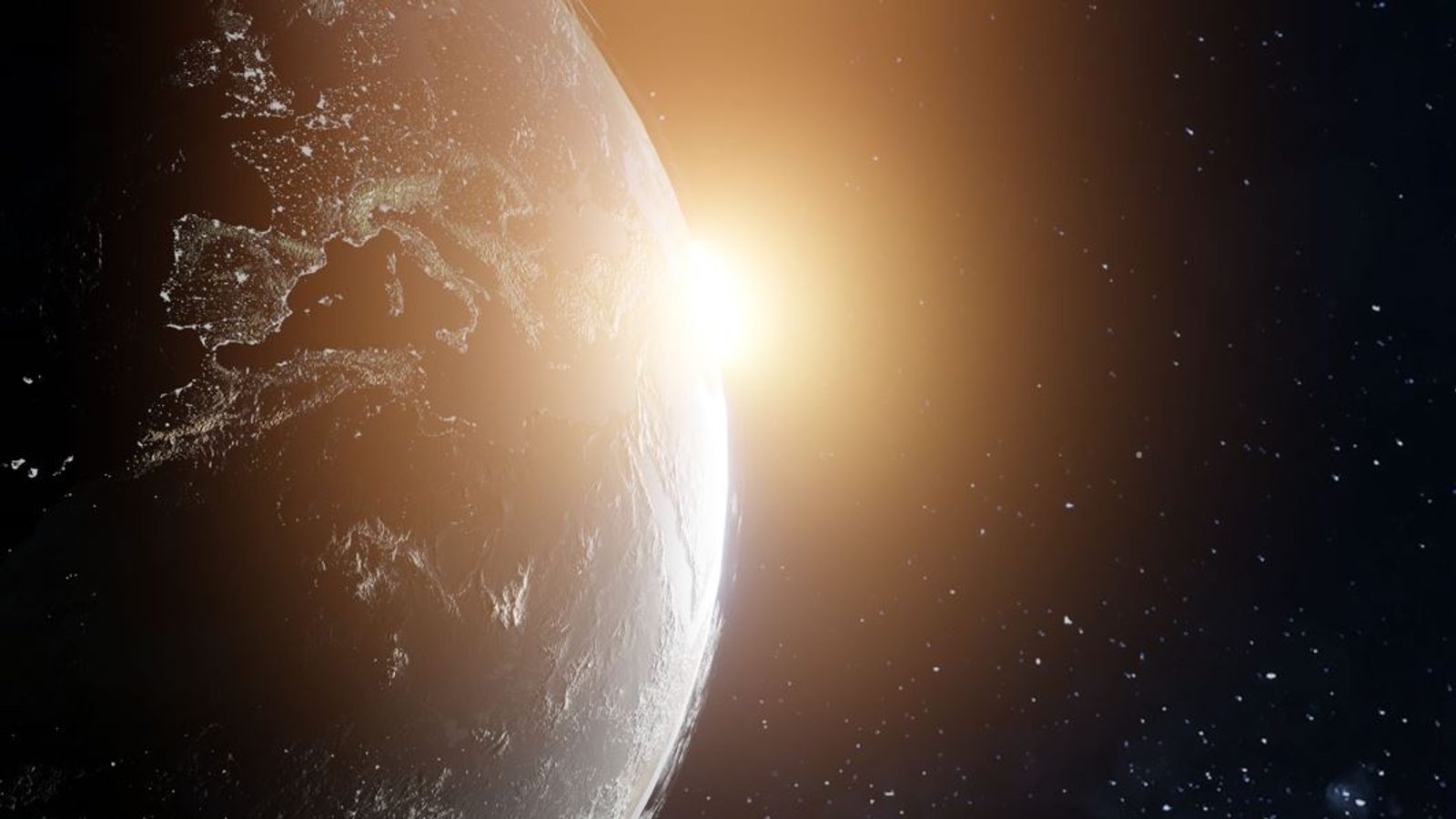
Physicist and presenter Brian Cox has set out a long-term, physics-based account of how life on Earth will finally end in the BBC series "Wonders of the Universe." His reconstruction follows the inevitable stages of stellar evolution and projects a sequence of events that will strip our planet of habitability.
Far from a movie script, Cox frames what he calls "The culprit" as a natural consequence of the Sun’s life cycle: a star roughly halfway through its lifespan whose own internal clock will, in time, remove the conditions that support life on Earth.
How the process unfolds
According to the timeline Cox presents, the first severe change will occur on a cosmic timescale rather than tomorrow. In about one billion years the Sun will begin to deplete the hydrogen fuel in its core. That depletion triggers a chain reaction: the core will start to contract under its own gravity, producing extra heat that forces the Sun’s outer layers to expand.
For Earth, that expansion means steadily rising temperatures. Ocean waters will evaporate and the atmosphere will thicken, evolving toward conditions similar to Venus. Cox describes this terminal phase as "the last perfect day of the Earth," a moment after which any form of life will become impossible and the planet will turn into a scorched, lifeless rock.
A few billion years later — roughly six billion years from now — the Sun will enter its final dramatic stage as a red giant. Its bloated outer envelope could swallow Mercury and Venus; even if Earth avoids direct engulfment, it will be left charred and barren. Ultimately the red giant will shed its outer layers of gas and dust into space, leaving behind the remnant of a dead star.
Photo: press material from the event