Wave of anti-government protests across Europe: clashes in Tirana, Paris and Lisbon
Clashes in Tirana, France and Portugal over education costs, living standards and austerity measures have left hundreds detained and many injured.
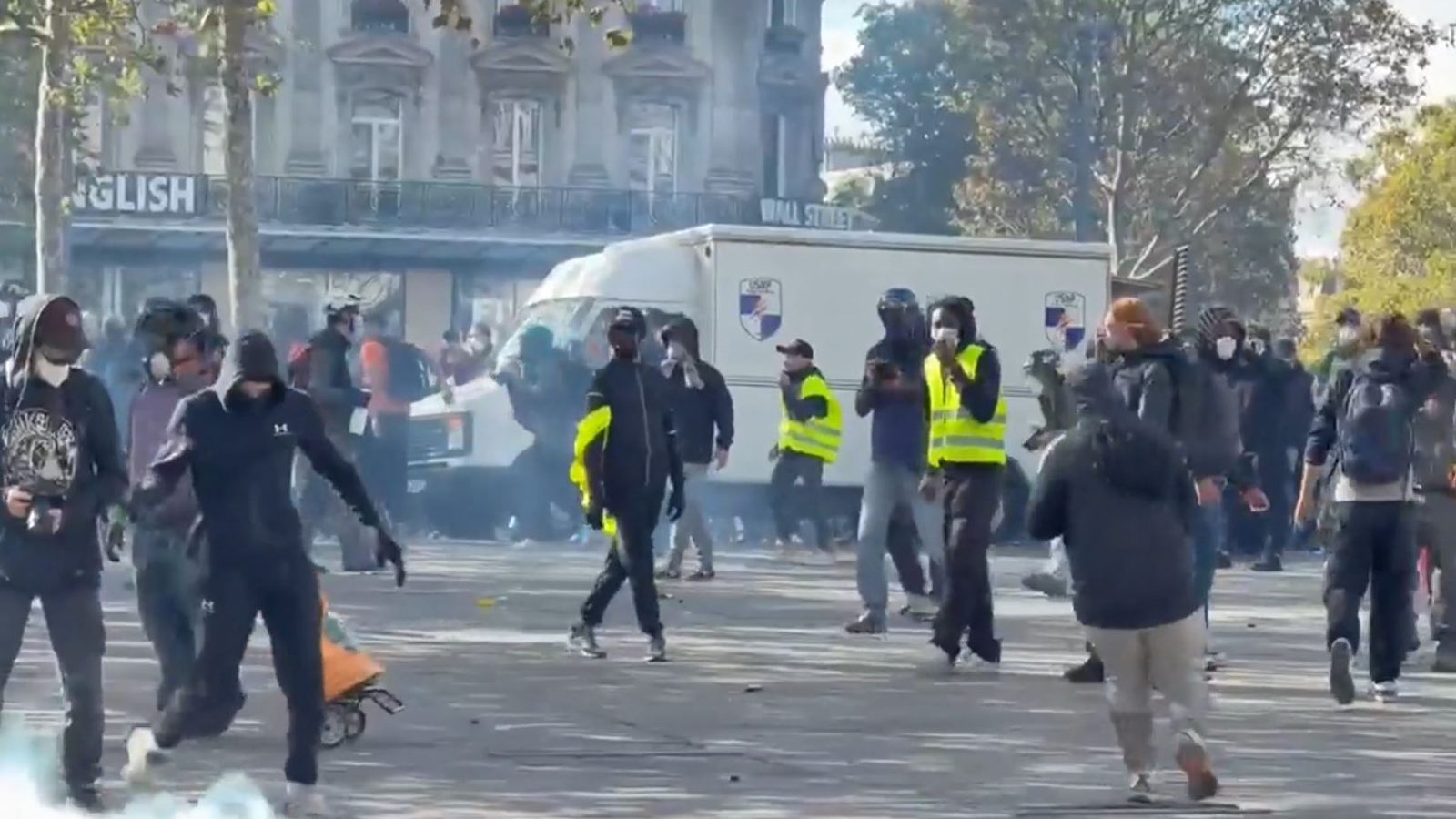
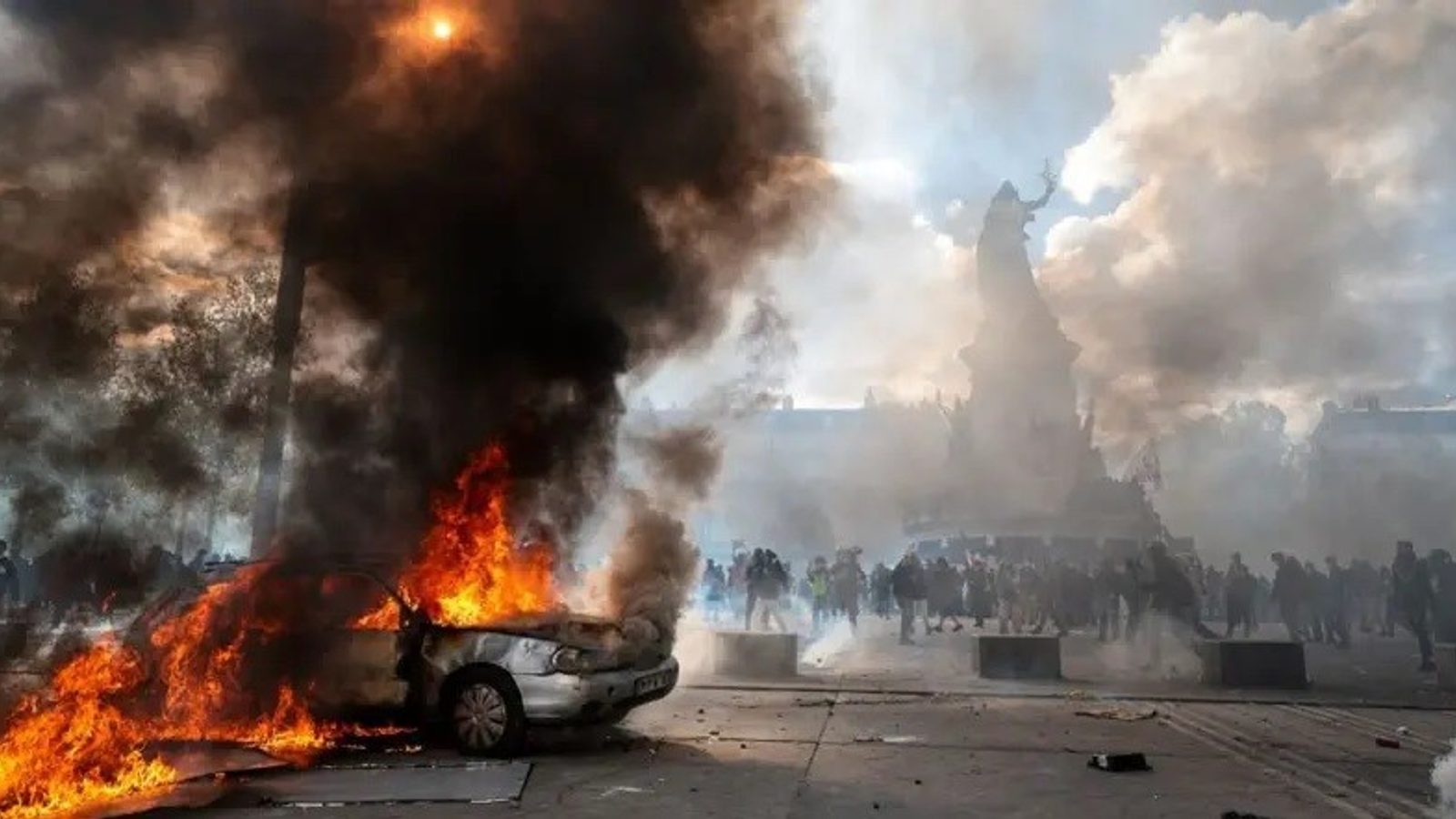
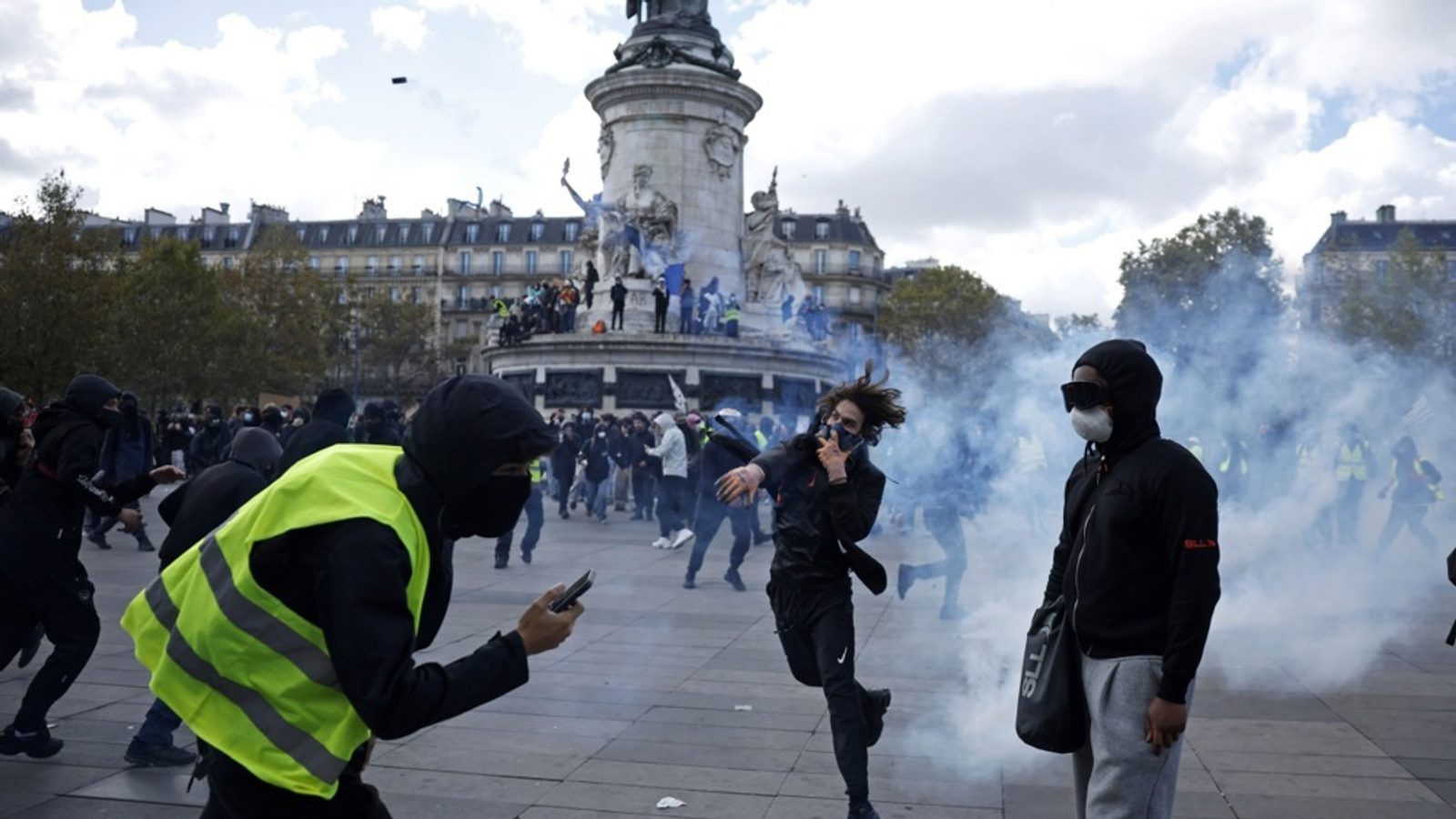
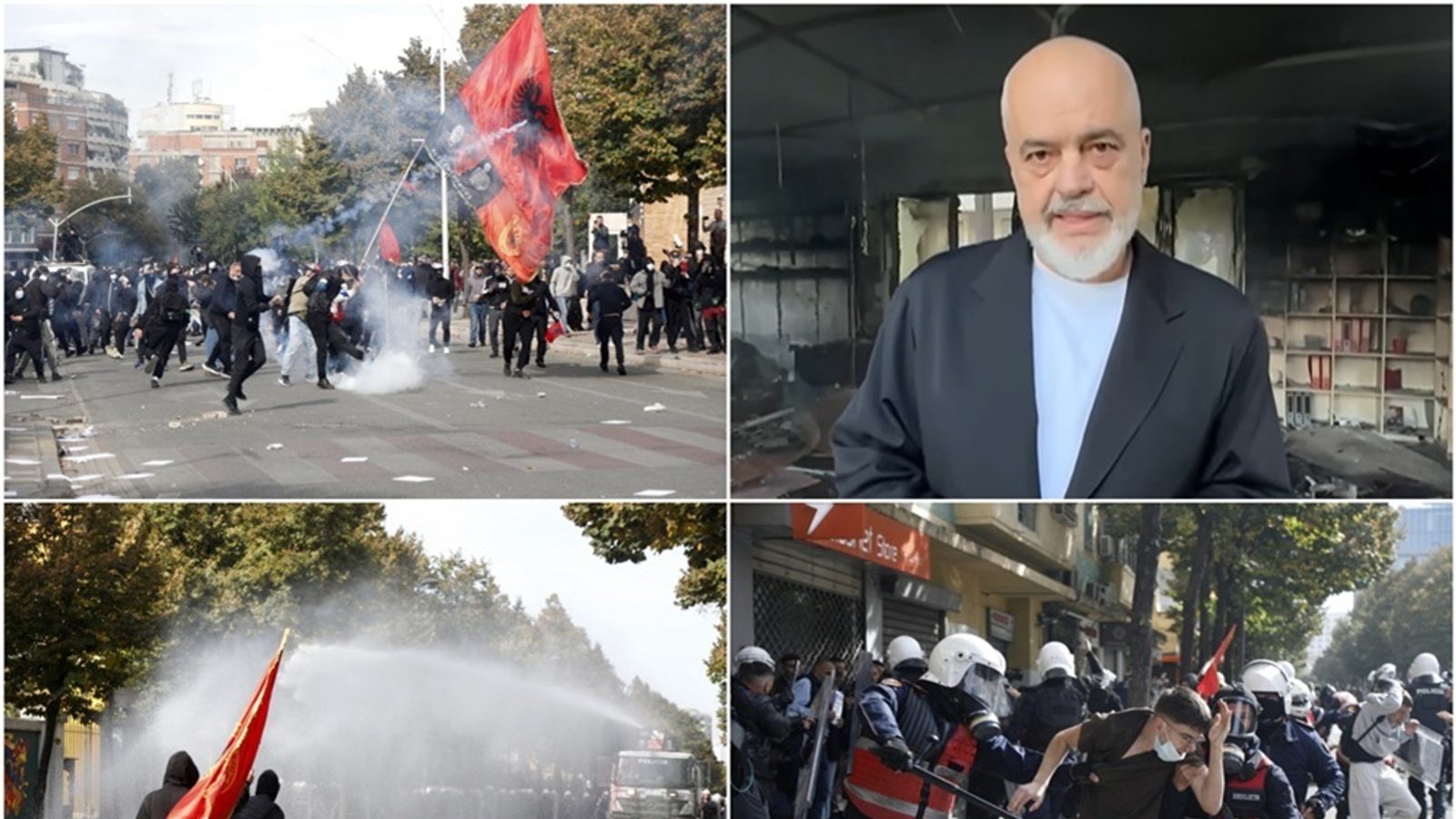
Large anti-government demonstrations spread across several European capitals, turning parts of city centres into tense zones of clashes between protesters and police. In Tirana the unrest entered its fifth day as crowds confronted officers outside the Ministry of Education; in France, thousands took to the streets in what authorities called some of the most violent demonstrations in recent years; and mass rallies were reported in Lisbon and several Belgian cities.
Scenes of confrontation: tear gas, stun devices and water cannons
In Tirana protesters hurled stones and eggs at police, and authorities said hundreds were detained after windows were smashed and bins and public buildings were set alight. Local media reported dozens of injured, while officials said roughly 500 demonstrators were arrested and about 120 police officers sought medical treatment.
The protests in Albania are driven by dissatisfaction with the education system, high costs of study and weak employment prospects. Demonstrators accuse the government of corruption and demand the resignation of Prime Minister Edi Rama.
"We are here to demand our rights, students' rights, for everything that has so far been denied to us. We want educational standards like those in EU countries, because nothing is as it should be. Everything must change, starting with the government, education and all public institutions," said Merlinda Marko, a protester from Tirana. "First of all, the prime minister must resign. A new government must be formed that will offer better conditions for students," added Lendi Lole, another demonstrator from Tirana.
In France, protesters in high-visibility vests blocked streets, burned bins and damaged public property; police used tear gas in response. Authorities recorded 140 demonstrations outside Paris with more than 30,000 participants, and reported that the city council building in Marseille suffered vandalism. French media described dozens of injured among demonstrators, including a teenager who lost a hand to a stun device, and the interior minister said more than 900 police officers had been hurt.
"We are protesting against all of this, and also against high fuel prices, because today this is for the students and for all the graduates who have come onto the streets," said a demonstrator in Paris. Another protester reacted: "Please, when a city accumulates debts, when the state is in deficit, and our banks charge us 20 euros if we are short on bills without asking for an account statement. Every time the same, so... we have had enough, we have had enough."
In Lisbon thousands marched for better wages and against rising living costs, expressing frustration with both the health system and the condition of state schools. "For me, the problem is the education. I have children and I see a terrible future for them. Health care is also terrible. We all have someone sick in the family who does not get the help they need. Financially, there is chaos. We do not have enough money to pay everything, we reach the end of the month with an empty wallet. Money goes on fuel, and in the supermarket every month we leave an amount for which, figuratively speaking, we could sell a kidney. It is a shame, and people have already reached the limits of endurance," said Vanessa Carvalho, a demonstrator in Lisbon.
Belgian police clashed from the morning with students and supporters in Brussels, Anderlecht and Liège who protested announced education reforms, austerity measures, working conditions, inequality and alleged police repression. Protesters set up street barricades and threw objects at police, who answered with tear gas and water cannons.
Photo: press material from the event