UK to release 5,000 prisoners to avoid system collapse — including violent offenders
Government says releases in England and Wales will begin in October and last ten months after plans were reduced from 6,000.
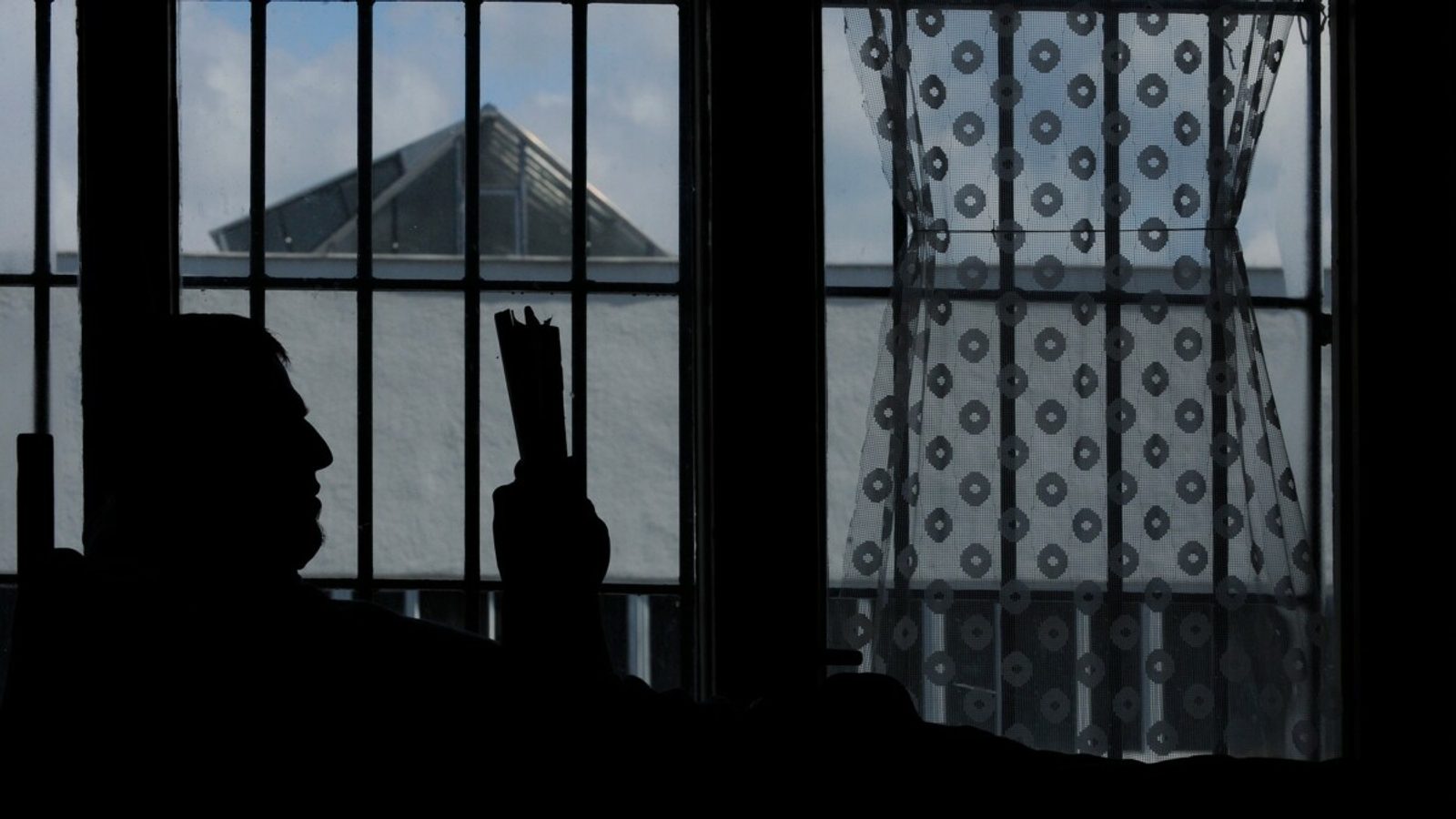
The British government will release 5,000 prisoners early in England and Wales over a ten‑month period beginning in October, officials announced, trimming an earlier plan that had aimed to free 6,000 inmates from September. The measure is part of an emergency response to severe prison overcrowding and has prompted anger from victims' families and some lawmakers.
Scope and safeguards
Justice Minister Alex Norris said the original programme was narrowed after interventions that removed people convicted of rape, serious sexual offences against children and offences involving sexual grooming and manipulation of minors from eligibility. Under the revised plan, a number of prisoners convicted of sexual or violent crimes may still be eligible to leave after serving half their sentences if they have not committed serious disciplinary breaches while inside.
Norris warned that further tightening would risk the collapse of the prison system and hinder the ability of police and courts to operate normally. He said the changes to sentencing and other measures will provide “long‑term security” for prison capacity. He told Sky News he had wanted to exclude additional groups but that doing so could “cause the breakdown of the prison system.”
“We have come out of the situation the previous government left us in, from that vicious circle where the system reaches breaking point and emergency release programmes have to be introduced, with people leaving prison without any of the checks we are now talking about,” Norris said. “I'd say I'm angry too that we find ourselves in a situation where we have to make big changes that have real consequences on people's lives, just so we can keep a functioning prison system.”
Victims' relatives reacted strongly. Debi Adlam, the mother of PC Andrew Harper, said her family is again "paying the price" after learning two of the three convicted over his death could be released early. The three teenagers were convicted in 2020: Jesse Cole and Albert Bowers were sentenced to 13 years for manslaughter, while Henry Long, who received 16 years, is not included in the early‑release scheme. Harper died in August 2019 while intervening during quad‑bike thefts in Berkshire.
The government announced additional measures alongside the early‑release programme: tougher supervision, GPS monitoring of convicted rapists, £10 million in support for victims, plans to create 14,000 new prison places by 2031, a review of indeterminate sentences, more frequent releases for female prisoners and faster deportation of foreign offenders. Conservative politicians said the concessions were only partial and warned that killers, violent offenders and domestic abusers could still be released in October under the new timetable.
Officials have blamed overcrowding on years of underinvestment: between 2010 and 2024 just 500 new places were added while 23 prisons were closed, the government said. Other countries are also experimenting with alternatives to custody; recently Italy approved a law allowing thousands of prisoners with drug or alcohol dependencies to serve sentences at home while participating in rehabilitation programmes, aiming to reduce prison pressure.
Photo: press material from the event