British woman spent 42 days in coma after tick bite on holiday in Greece
Woman from Wales spent 42 days in an induced coma after contracting tick-borne encephalitis on holiday in Greece and continues to live with memory loss and seizures.
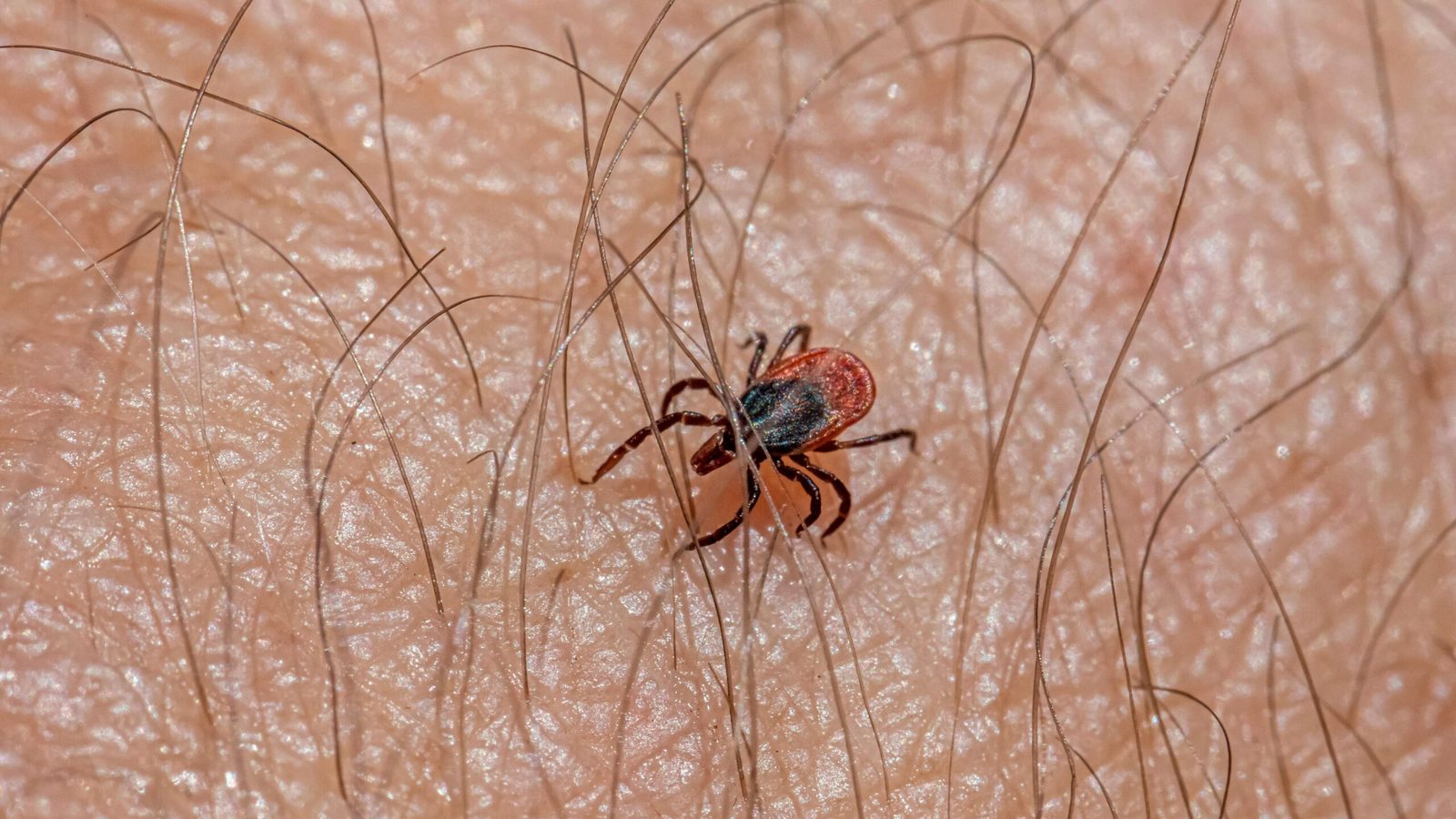
A 51-year-old woman from Anglesey, Wales, says her life was upended after a tick bite during a 2019 holiday on the Greek island of Syros left her with tick-borne encephalitis (TBE) and in an induced coma for 42 days.
Victoria Stellas developed flu-like symptoms while on Syros and, after returning to the UK, began having seizures at night. Initially doctors were unable to diagnose the cause; following an MRI she was airlifted to the Walton Centre in Liverpool and placed in an induced coma for six weeks.
What happened and the lasting damage
Doctors diagnosed her with tick-borne encephalitis, a viral infection that can cause dangerous inflammation of the brain. Stellas says the illness cost her jobs she held before — at a pub and as a teaching assistant in a school for children with special educational needs — and left her with persistent memory loss and epileptic seizures.
"It completely changed my life. Apart from going to work, I don't go out as much anymore," she says. Stellas believes she was bitten while staying with her son-in-law, who keeps goats — animals that can carry ticks. From her hospital admission until the end of treatment, about six months elapsed, she says: "Sometimes I just stay quiet. I used to be very sociable."
Today she takes between 15 and 18 tablets a day and uses memory aids and routines to manage daily tasks. Her nocturnal seizures are now less frequent, but she still sleeps in her mother's home and struggles to recall names: "I could recognise everyone, but I wouldn't be able to remember their names. That's a problem even today," she adds. Stellas, who was born in Greece and moved to Wales at age five, says she had not known a vaccine existed before her illness and now urges travellers to ask about vaccination when visiting high-risk areas, especially if they will be in woods or near animals.
Professor Benedict Michael of the University of Liverpool, an expert in zoonotic infections, told medical commentators that reported cases of tick-borne encephalitis have risen globally over the past 30 years. He noted the disease is more common in parts of Europe and East Asia, that identifying single hotspots can be difficult, and that severe cases like Stellas's remain relatively uncommon.
Photo: Pexels