UK revises 'War Book' and tells public to stock food and water
London is updating a decades-old emergency manual and telling households to stock food and water as officials warn of asymmetric threats linked to Russia.
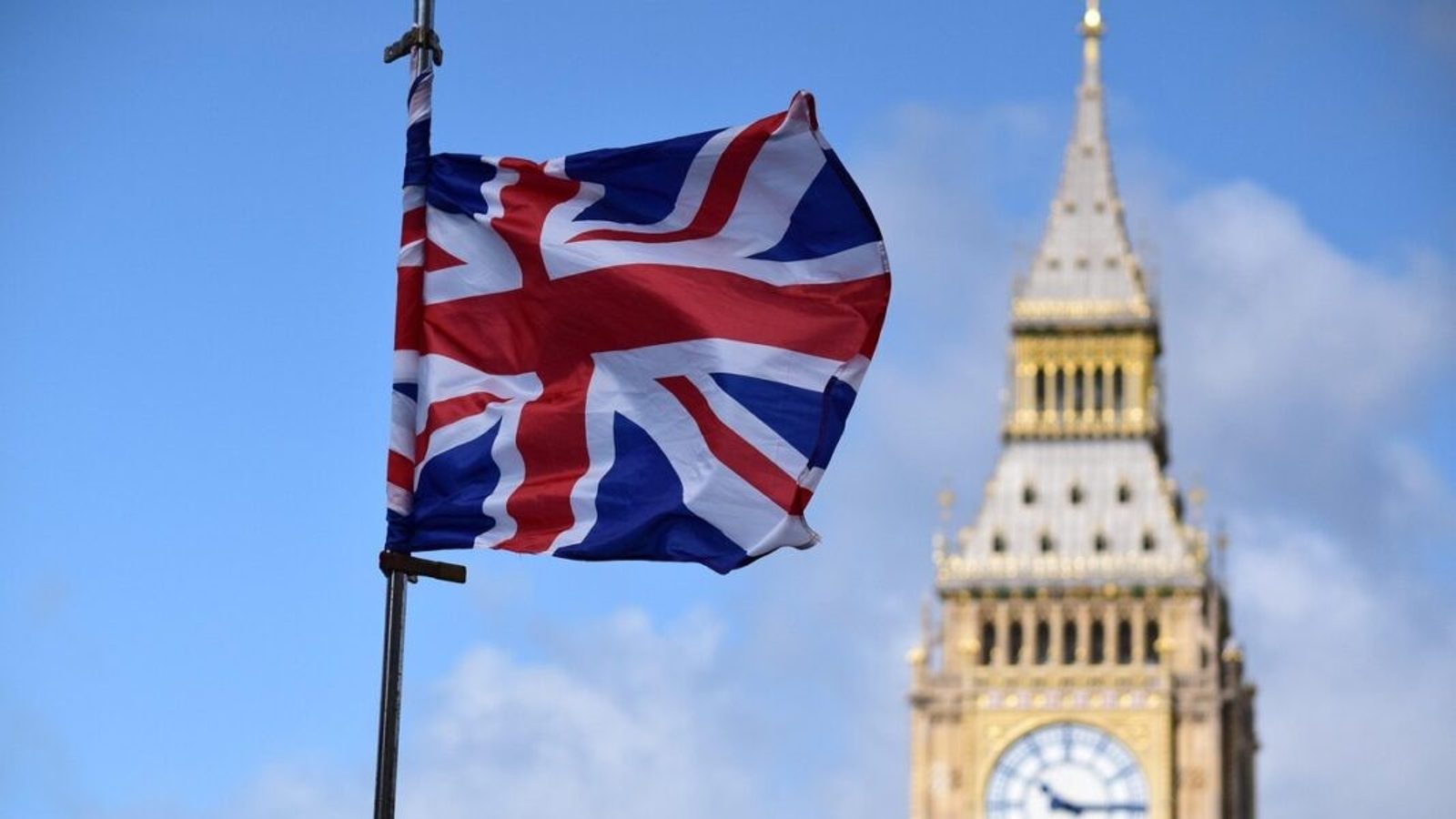
The British government has begun drafting a new emergency plan to guide the state through a serious national crisis or military threat, and officials are encouraging households to prepare for possible major disruptions to daily life.
Authorities are asking citizens to stockpile food, drinking water and basic supplies while a so-called "War Book" — a central document that sets out the steps the state should take in extreme circumstances — is being updated after not having been reviewed for decades.
Senior military figures have underlined the seriousness of the threat. The head of the British General Staff, Sir Richard Najton, warned that the danger posed by Russia makes this period "the most dangerous" in his 35-year military career.
Asymmetric threats and infrastructure attacks
Analysts stress the risk is likely to come in asymmetric forms rather than through a conventional invasion. Historian Margaret MacMillan said: "We are beginning to realise that war is something closer to us than we would like to think," drawing a comparison with the mood in the summer of 1914 when many Europeans found the prospect of conflict almost unimaginable.
Retired General Sir Richard Shiref argued that Russia has pursued an asymmetric campaign against NATO since 2014. He said: "The reality is that Russia believes it has been in conflict with NATO since 2014. It is not a conventional war but a strategic undermining of the integrity of Alliance countries. It is not inconceivable that the Russians would try to destabilise NATO, for example by attempting to seize control of Spitsbergen in the Norwegian archipelago Svalbard." Experts highlight attacks on critical infrastructure — cutting undersea cables or cyber-attacks on key state systems — as among the most likely scenarios.
American strategist Andrew Michta warned that Europe largely lost a sense of an immediate threat after the Cold War: "The United Kingdom is to a large degree militarily, but also mentally, disarmed. There is no preparedness because political elites do not address the public in a way that would honestly present the seriousness of the situation," he said, citing long-term defence cuts in some countries as an illustration.
Experts point to the Nordic states as examples of higher resilience. Since joining NATO in 2022, Sweden has strengthened partial conscription and civil defence measures; Finland, sharing a 1,287-kilometre border with Russia, maintains mandatory service for men, a reserve force of over one million trained reservists and the capacity to mobilise about 280,000 soldiers quickly. By contrast, the UK relies on roughly 70,000 active personnel. Sir Richard Shiref suggested Britain should seriously consider introducing wider recruitment or national service along the lines of Norway’s system, where many school-leavers complete a year of military training before university or entering the workforce.
Photo: piksabej