BRT back in focus after rail launch and delivery of 150 electric buses
Launch of a city rail line and arrival of 150 electric buses reignite dispute between SDSM and city authorities over the BRT project.
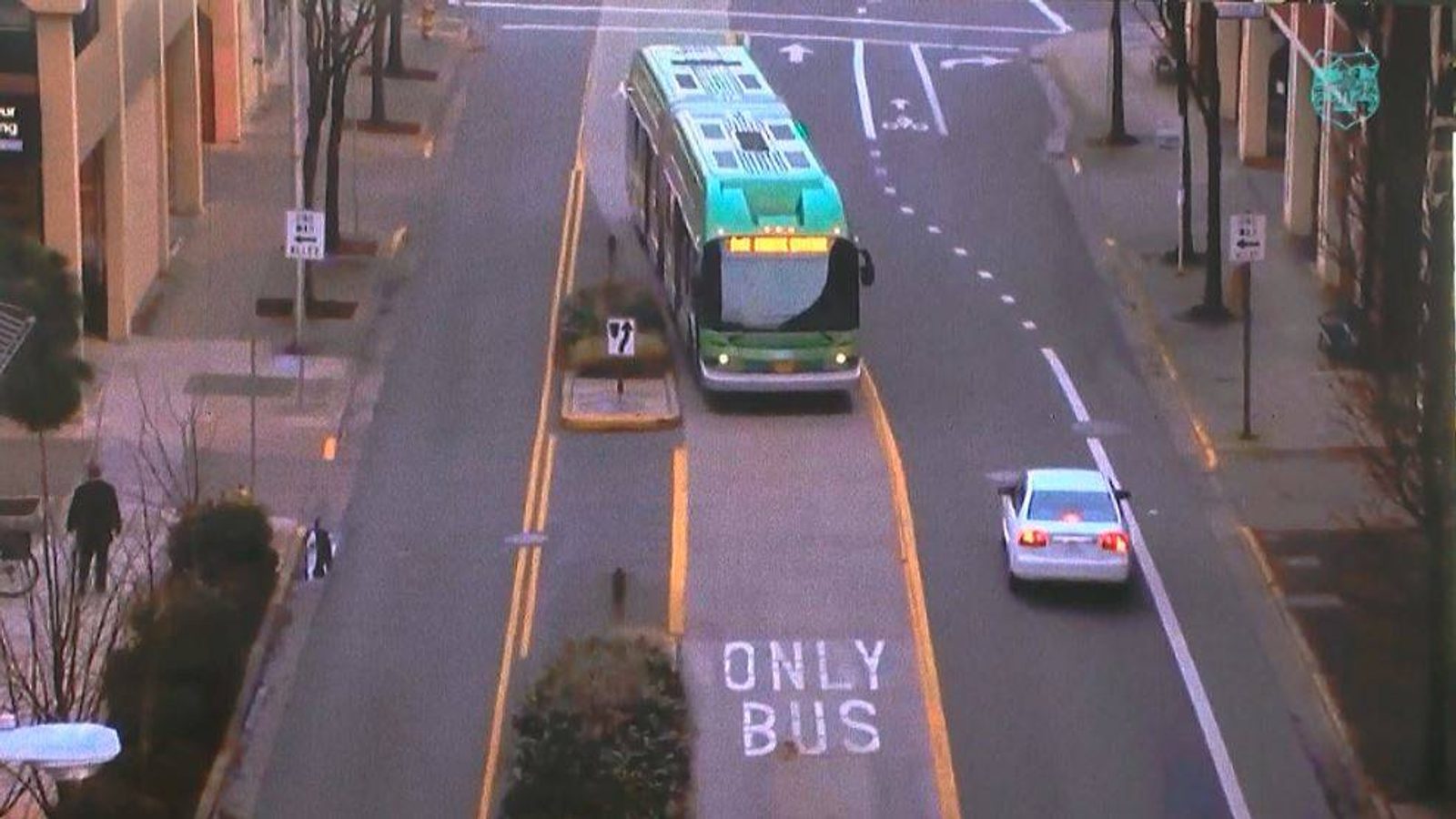
The proposed Bus Rapid Transit (BRT) system has returned to the center of public debate after the launch of one of the announced city rail lines and renewed efforts to modernize the fleet of the public operator.
Opposition members accused city leaders of claiming credit for a project they say was initiated by SDSM. "Let's be clear: BRT is the vision, idea and project of SDSM. We designed it and launched it as a rational solution to save Skopje and Skopje residents from traffic collapse. We will never be against the implementation of the BRT. But we are appalled by this political hypocrisy. When did you lie? Was it when you blocked the BRT for five years at all costs for political gain, or today when suddenly this project became a perfect and quality solution simply because you are in power?" said Aleksandar Davchevski of SDSM.
Meanwhile, deadlines are running for the delivery of 150 new electric buses, 100 of which are intended for the capital. Mayor Gjorgjievski said the City of Skopje is preparing the routes and the charging infrastructure in parallel so the buses can enter service immediately upon arrival.
Public transport trends at home and across the EU
While the European Union recorded growth in air, rail and bus travel, North Macedonia’s public transport figures paint a different picture. In the EU in 2024, trains outpaced buses and rail accounted for 7.5 percent of total passenger transport, with the highest rail usage in Hungary, Austria and the Netherlands; bus travel is most used in Malta, Ireland and Hungary.
Domestic research by the Center for Civil Communications shows a sharp decline in local public transport: over a decade the number of passengers carried by JSP buses fell by 58 percent, from 52 million to 22 million passengers annually. The drop in rail travel is even steeper — a 73 percent fall, from 660,000 passengers in 2016 to fewer than 180,000 last year.
The widening gap between regional and domestic trends, plus the political dispute over the BRT’s ownership and design, increases pressure on municipal and national decision-makers to agree quickly on routes, infrastructure and the role of the incoming electric fleet.
Photo: press material from the event