Brvenica votes for a new mayor after Jovica Ilievski’s sudden death
Six candidates pledge infrastructure, social services and cross‑community outreach in a municipality where Albanians are 54.06% and Macedonians 45.38%.
A sudden vacancy in the mayor’s office has turned Brvenica into a closely watched battleground ahead of the municipal vote: Jovica Ilievski, a two-term mayor who unexpectedly won in both 2021 and 2025, died suddenly in June this year and the municipality must now elect a successor. Brvenica’s resident population is majority Albanian (54.06%) with Macedonians making up 45.38%, yet the last two regular elections were won by a Macedonian candidate.
Local opinion sees the first round as a kind of party rating and the second as a wider test for national alliances. "The first round will be a poll of the political parties' ratings, and the second will be a test both for the governing coalition and for any potential new partnerships at the state level," says analyst and journalist Dzelal Neziri.
Candidates and central pledges
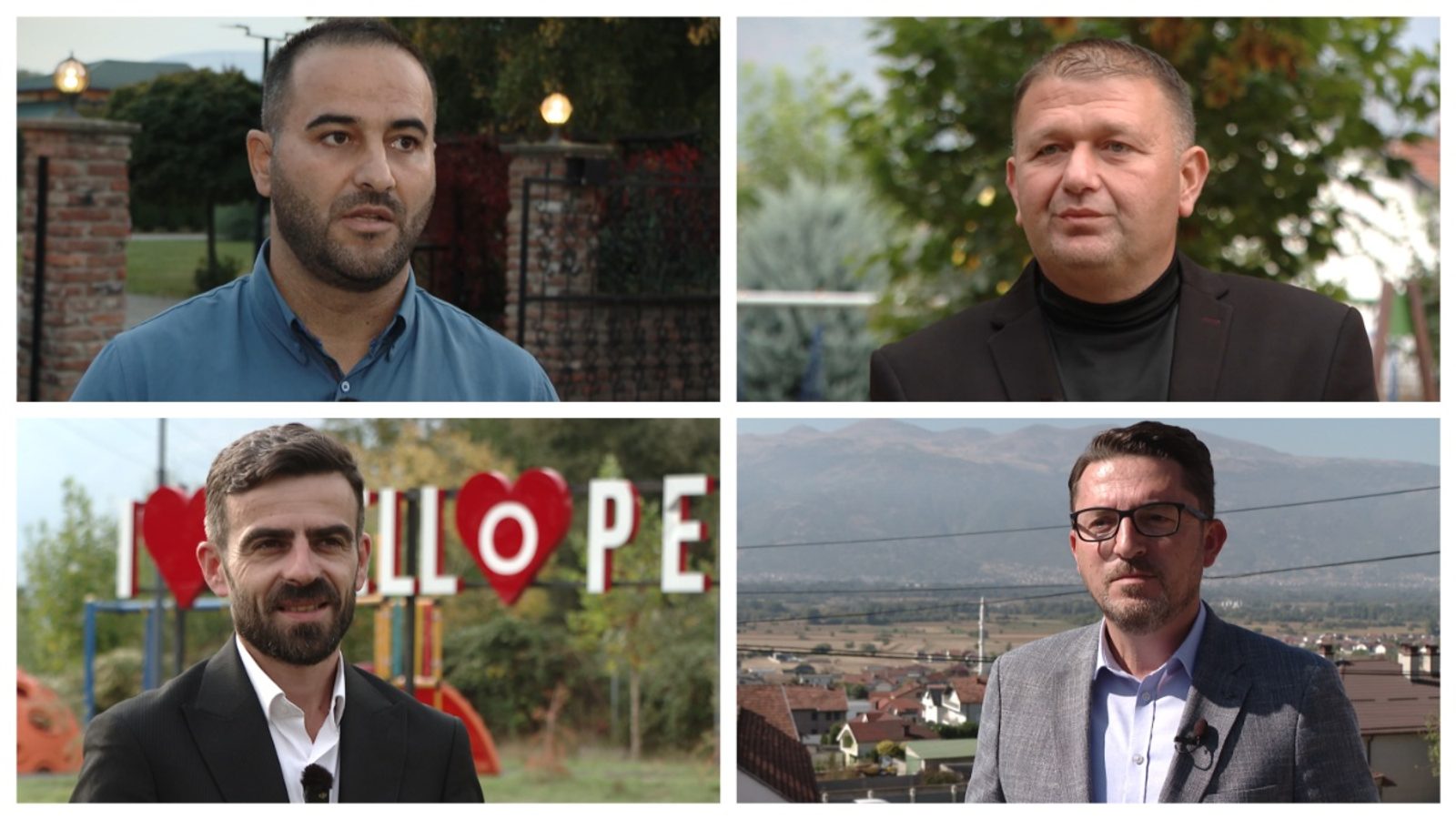
Six candidates are competing for mayor. The field includes Stojancho Radichevski (coalition led by VMRO-DPMNE) campaigning under the slogan "One Brvenica for everyone", Jovica Radeski (coalition led by SDSM) with the slogan "We fight for Brvenica", Jakup Huseini (VLEN) whose campaign is titled "One vote for Brvenica", and Arkin Jahiji representing the National Alliance for Integration led by DUI, among others.
Radichevski, a lawyer and master's degree holder in legal sciences, places heavy emphasis on social services. "One of the main projects at the moment is the kindergarten that should be built in the settlement of Chelopek. Furthermore, the completion of the kindergarten in Brvenica, by increasing the existing capacity by approximately 50 children who will be able to be taken care of there. Furthermore in this area another kindergarten will be built, I think it will be in the settlement of Radiovce, to connect the other settlements: Stenche, Volkovija, Tenovo and Radiovce," he said. Asked whether he expects votes from Albanian residents as the late mayor did, Radichevski answered: "Of course, we continue the tradition, that is, we nurture interethnic relations. I have many Albanians who are dear friends and with whom I drink coffee every day; that tradition will continue to be cultivated. I expect support from Macedonians, from Turks, from Albanians and from everyone who lives on the territory of our municipality."
Radeski, a veterinarian with two decades of experience, highlights infrastructure and social care: "In our program one part is for the sewage system in the village of Volkovija; in the 21st century they still face that problem, that will be in the first year we want to implement. Afterwards we plan a home for the elderly in the village of Chelopek. Also, we want to make a pedestrian and bicycle path on the stretch from the cemetery to the Vardar and illuminate the whole, and to build a chapel in the village of Brvenica." He also said he expects support from both Albanian and Macedonian voters given his long presence in the area.
Huseini emphasizes transparent budgeting and local forums as a cornerstone, together with youth, diaspora engagement, economic development, and environmental and infrastructure needs. "The first pillar is transparency, meaning transparent governance, where the budget will be created through community forums in all settlements. We will openly show how big the budget is, where we expect finances from, how much is our own and how much external. And surely at the end of the year we will give an account of the work done and the costs incurred. The second pillar is youth, economy and development. The next pillar is diaspora and development opportunities, and finally the environment and the infrastructural needs of our municipality," he said.
Across villages residents voiced largely practical demands: better roads and marked routes, functioning communal services and more economic activity to stop the exodus of young people. "Make the roads a little better, the condition of the population to be better, for the pupils, for the schools. Infrastructure needs to be better. Our young people left abroad, that is very bad. The village is emptied, houses are empty," said a resident of Chelopek. Another local complained about missing signs, damaged farm tracks and a lack of local jobs. The campaign now must persuade voters that promises will translate into visible repairs, services and jobs.
Photo: press material from the event