A 7 billion euro budget, but families are sinking: Kuzeska opened the government's balance sheet
SDSM claims minimum family expenses rose by 9,000 denars, while the minimum wage rose by only 3,500 — a gap the authorities cannot cover with statistical optimism.
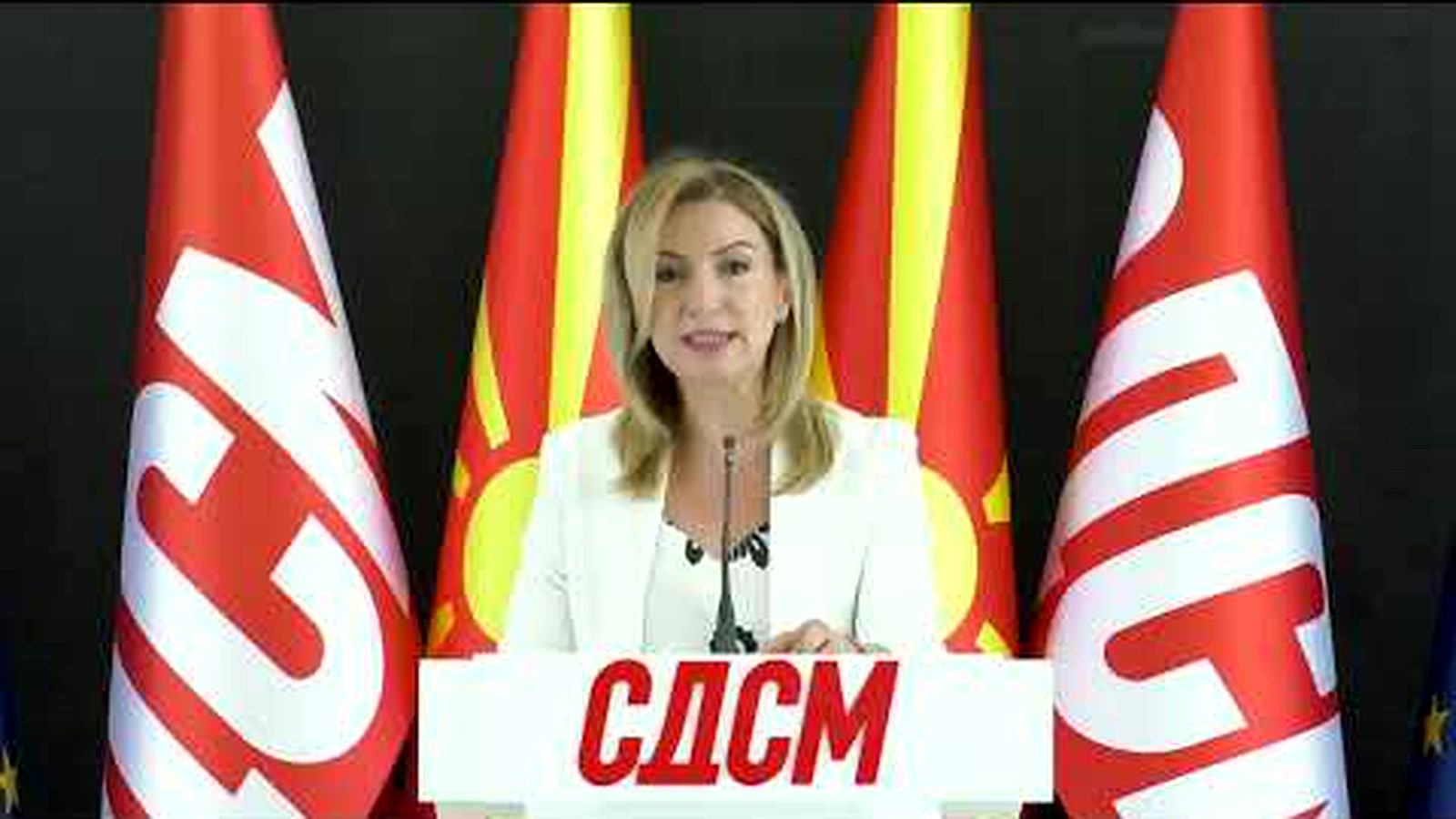
Seven billion euro budget, and an increasingly difficult bill in every home. Bogdanka Kuzeska, spokesperson and member of the Executive Board of SDSM, attacked the Government's economic policy with the message that the rise in state spending has not brought a better life for citizens, but higher prices, insufficient wages and even greater insecurity.
According to the data Kuzeska presented, the minimum monthly costs for a four-person family have increased by 9,000 denars in the past two years, while the minimum wage has risen by only 3,500 denars. That means the lowest-paid workers, according to the opposition, enter a monthly race in which prices are moving almost three times faster than their earnings.
Large budget, little room for a normal life
Kuzeska compared today’s budget of roughly seven billion euros with the 3.5 billion euro budget in 2017. Her question to the authorities is simple: if the state has twice the budget, why do citizens not live twice as well?
SDSM accuses the Government of having no measures that fundamentally stop price increases and of protecting the profits of certain traders, while families barely make ends meet. This is a political accusation by the opposition, and Kuzeska did not present evidence for specific traders at the press conference. Still, the gap between the rise in costs and the rise in the minimum wage remains the central question that the authorities must answer with measures, not just percentages.
Kuzeska again called for the minimum wage to be raised to 600 euros. She criticized Hristijan Mickoski for rejecting this measure, although, according to the opposition, workers on minimum incomes live worse, young people lack security, and families find it increasingly difficult to cover food, bills, rent and loans.
The Government talks about growth, citizens measure it with their wallets
Prime Minister Hristijan Mickoski defends the economic policy by claiming that North Macedonia has one of the lowest inflation rates in Europe, as well as growth in GDP and industrial production. The Government points out that part of the new financing is for capital investments and for repayment of inherited obligations.
But macroeconomic indicators are not enough if they do not translate into greater purchasing power. For a worker on the minimum wage, economic growth is not a number in a statement, but the question of whether any money remains at the end of the month after paying for food, electricity and housing. It is precisely on that terrain that SDSM builds its criticism: the authorities talk about growth, while citizens feel a decline.
The opposition further claims there are not enough funds for new measures, higher wages and stronger support for pensioners. Kuzeska also warned of an alleged intention to nationalize the second pension pillar, but this claim remains a political accusation that requires concrete confirmation from documents and official government decisions.
The final balance is not written only in the Ministry of Finance, but in every household budget. If the state budget grows while the gap between wages and basic costs deepens, then the authorities must explain whom the economy truly works for. Kuzeska said that citizens need higher incomes and real protection from price shocks, not new excuses.
Photo: still from the SDSM press conference