Bulgaria restricts homemade rakia — 30 litres tax-free, ban on serving in businesses
Parliament backed first-reading changes allowing 30 litres tax-free but forbidding offering or sale of homemade rakia in business premises.
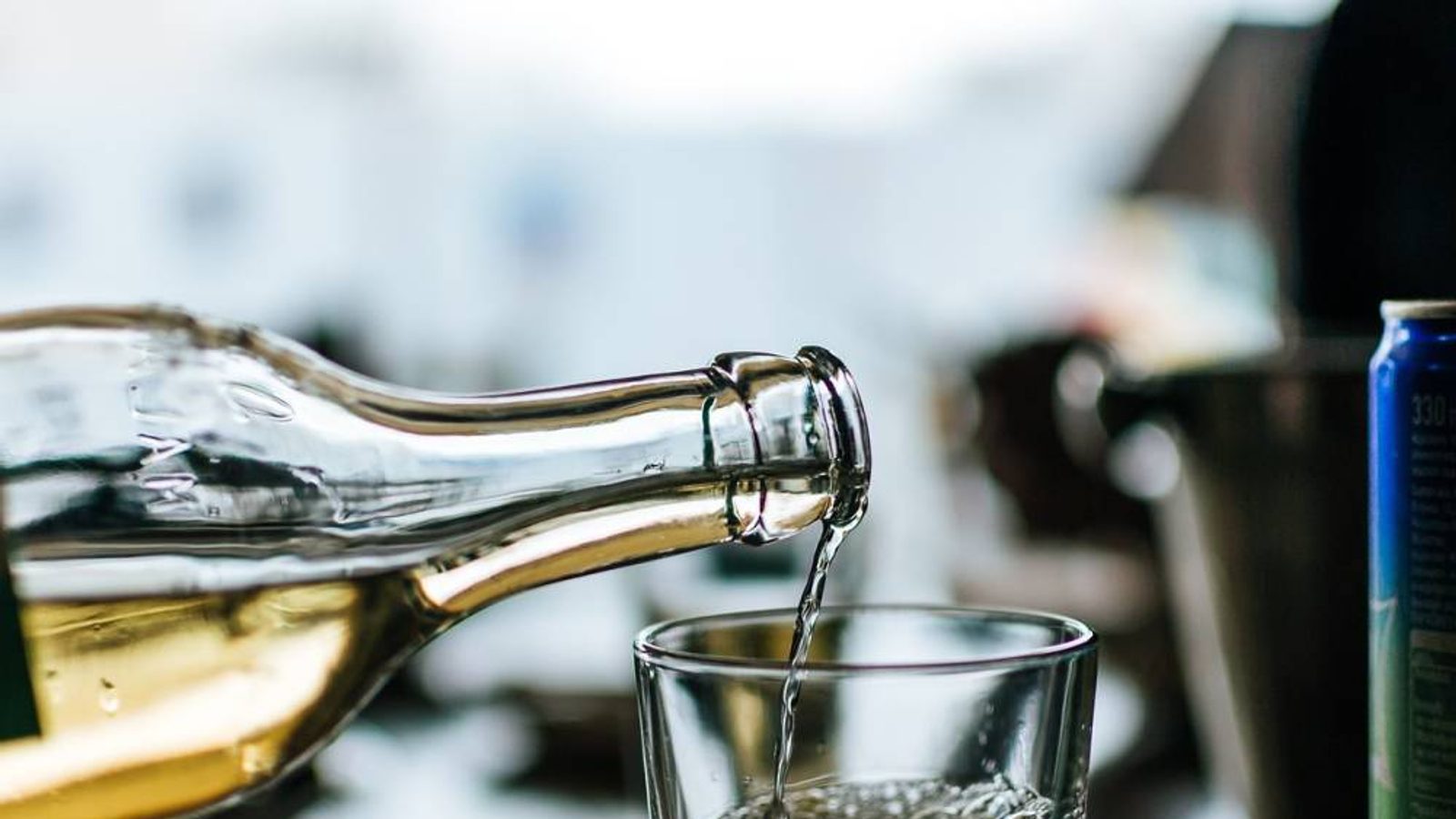
Bulgarian lawmakers approved, at first reading, a set of tax changes that restrict how households can produce, possess and offer homemade rakia. The draft rule allows a limited tax-free production but bars serving or selling the spirit in premises connected to economic activity.
Key changes and limits
Under the proposed law, each household could produce up to 30 litres of rakia without paying excise duty, but the alcohol must remain on private property. Possession, offering and sale would be prohibited in premises linked to economic activity, including restaurants, hotels, guesthouses, auto repair shops and warehouses. Storage in private cellars and on private land would remain permitted.
The amendments triggered complaints from opposition figures who argue the wording is too strict and could criminalize ordinary practices.
Asen Vasilev, leader of We Continue the Change, warned that "under such wording a grandfather who brings homemade rakia to his grandson's wedding in a restaurant could violate the law," expressing concern about unintended consequences for family gatherings.
Toncho Ganev of Revival also criticised the change and warned of practical enforcement problems, saying: "If there is a bottle of rakia of 50-100 grams in an auto service, it will be subject to seizure and a report."
Boyko Borisov, head of GERB, accused the authorities of overreaching and attacking traditional customs. So far the ruling majority has not announced whether it will amend the contested provisions before the bill’s second reading.
Photo: press material from the event