Bundestag approves higher tobacco tax; cigarettes could cost up to €14 by 2030
Bundestag approved progressive tax hikes on cigarettes and other tobacco products on 15 October 2026; final decision expected in the Bundesrat on 16 October.
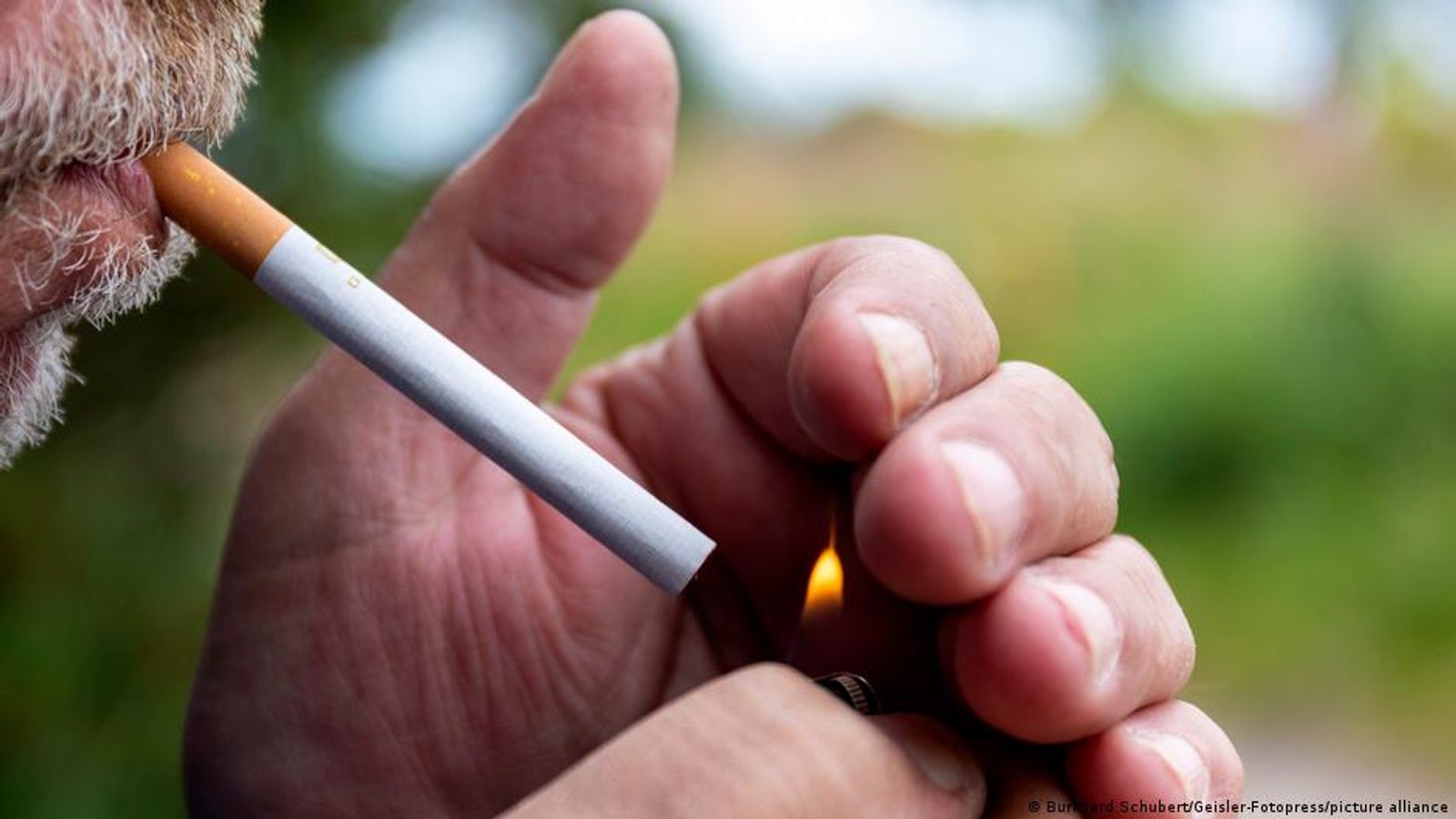
The German Bundestag on the evening of 15 October 2026 approved a package of changes that will raise tobacco taxes progressively over the coming years, a move expected to push retail cigarette prices significantly higher by 2030.
Expected revenues and parliamentary debate
The law, passed with the votes of the governing coalition groups — CDU/CSU and SPD — increases excise duties across a range of tobacco products. Lawmakers and the government say the rises will both generate revenue and serve as a public-health measure.
A pack of 20 cigarettes, which currently averages just above €8, is forecast to cost nearly €12 by 2030; well-known brands could reach prices of up to €14 per pack. Taxes on roll-your-own tobacco, cigars, hookah tobacco and e‑liquids for electronic cigarettes will also be increased.
The federal government expects additional tax revenue of around €12 billion over four years — about €1.5 billion more in 2027 and up to €4.5 billion more in 2030. By comparison, Germany collected €17.6 billion from tobacco taxes last year.
Opponents warned about a likely shift to the black market and losses for legitimate retailers. CDU MP Karsten Brodesser argued for a more moderate rise, saying: "In the end neither the desired fiscal result nor the stabilization of the legal tobacco market will be achieved." Two CDU/CSU members voted against the reform.
SPD MP Ingo Vogel defended the package as both fiscal consolidation and a public-health measure. He said: "At the same time we want to send price signals that contribute to protecting health, so that starting to consume nicotine will be less attractive." Vogel also emphasized that taxes on cigars were not raised as much as initially planned and that the increase for e‑liquids was higher than first proposed.
Critics from AfD framed the reform as purely fiscal. AfD MP Christian Duglas said: "That means that you do not expect people to smoke less at all, and in fact you do not want that." The Greens backed the increase in principle but called it insufficient; Green MP Sasa Miller warned that the rise for loose tobacco remained too small and urged more resources for customs to tackle illicit trade.
According to the 2025 microcensus, 19% of Germany’s population aged 15 and over are smokers (14% regularly, 5% occasionally). The German Cancer Research Center reported that around 131,000 people died in 2023 from tobacco‑related diseases. Health experts say higher prices are an effective tool to encourage quitting.
The procedure to finalize the law concludes in the Bundesrat on 16 October 2026; the upper chamber can lodge objections, but so far there are no signals that it will block the measure, and approval is expected.
Photo: press material from the event