Oil jumps after ship hit in Strait of Hormuz and Saudi East–West pipeline shut
Brent surged after a ship strike in the Strait of Hormuz and Saudi Arabia halted its East–West pipeline, tightening global diesel supplies.
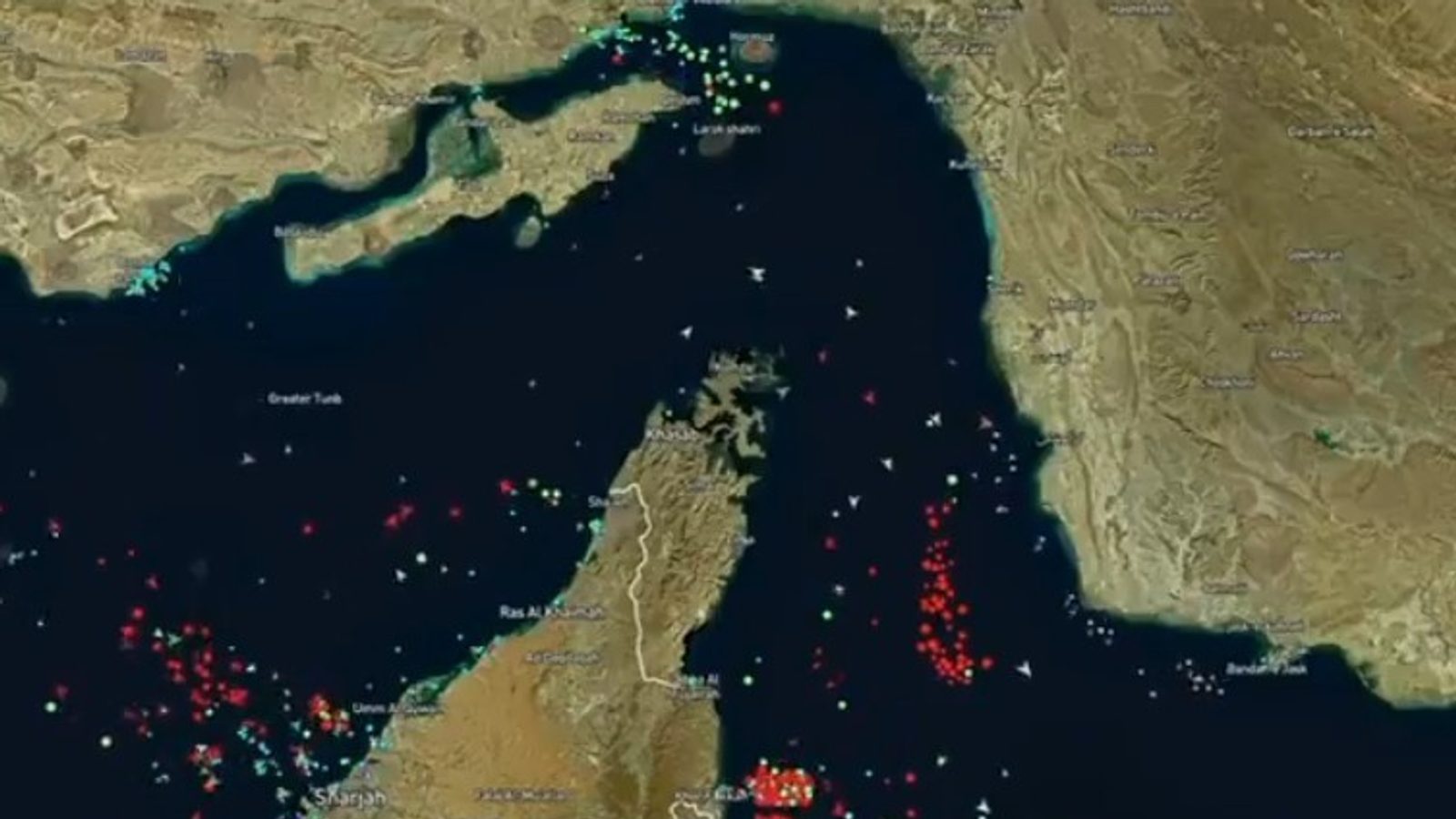
Brent crude climbed above $108 a barrel on Monday morning after a commercial vessel was struck in the Strait of Hormuz and Saudi Arabia announced a temporary closure of its East–West oil pipeline following drone attacks.
The strike on the ship in the strait killed one crew member and wounded others, and the pipeline shutdown removes the main overland alternative that lets Saudi exports avoid the Hormuz chokepoint.
Markets, fuel at the pump and supply losses
Futures for Brent deliveries in October and November rose more than 3%, topping $108 per barrel, while US WTI for October increased about 2.3% to roughly $102 per barrel. Both benchmarks extended a rally that had pushed them back above the $100 mark last week.
The disruption is already feeding through to consumer prices. The average US retail diesel price on Friday surpassed $6 per gallon for the first time in history, up from around $5.85 just a week earlier and about $3.71 a year ago — roughly a 60% increase. Average gasoline has risen as well, reaching about $4.22 per gallon after the Labor Day weekend.
Analysts at Lipow Oil Associates estimate that Russia’s export ban removed roughly 800,000 barrels per day of diesel from world markets, while disturbances around the Strait of Hormuz have taken about 1.2 million barrels per day out of circulation. Flow through the strait itself has fallen from roughly 20 million barrels per day before the war to about seven million today, and the combined conflicts have disabled refineries with some 5 million barrels per day of capacity.
Pressure on shipping and diplomacy has increased: vessels now require Iranian permission to transit the strait, Tehran has considered charging transit fees, and talks hosted by Oman on the waterway’s future were postponed. US forces have at times struck Iran’s coast in response to Tehran’s assertions of control.
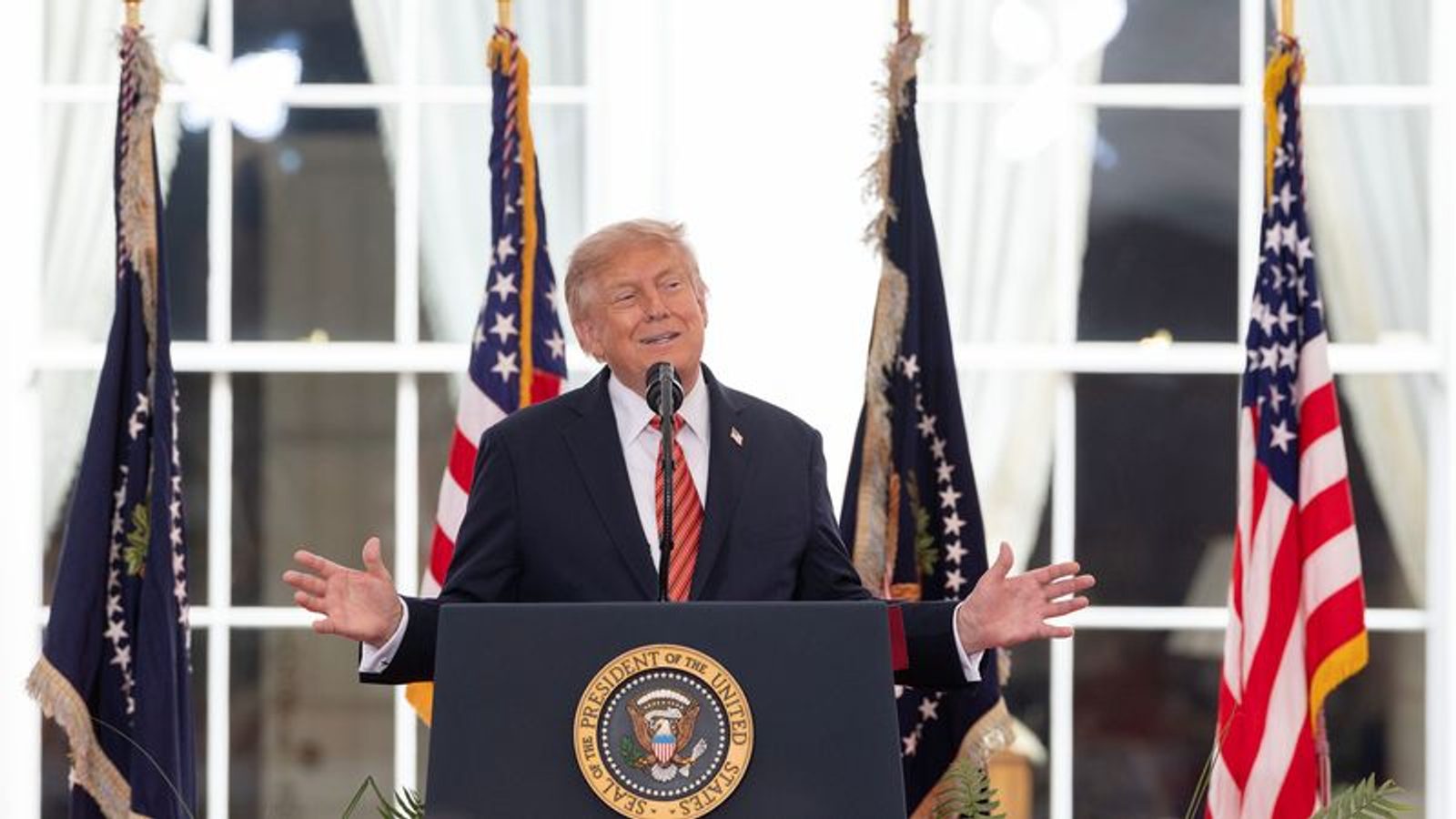
Speaking to reporters in Ireland on Sunday (13 September 2026), President Donald Trump blamed Ukraine for actions that he said were worsening diesel shortages. He said that Volodymyr Zelensky "must stop destroying diesel fuel in Russia." He added, "Let them hit the targets, but not the diesel fuel, because that causes a shortage of diesel."
Photo: printskrin/Iks