Atlantic cyclone to hit Balkans; in North Macedonia winds over 80 km/h, temperatures up to 24°C and Sahara dust
Forecaster Slavcho Poposki warns of hurricane-force winds and heavy rain on 12–13 November; here temperatures will be unusually high with Sahara dust.
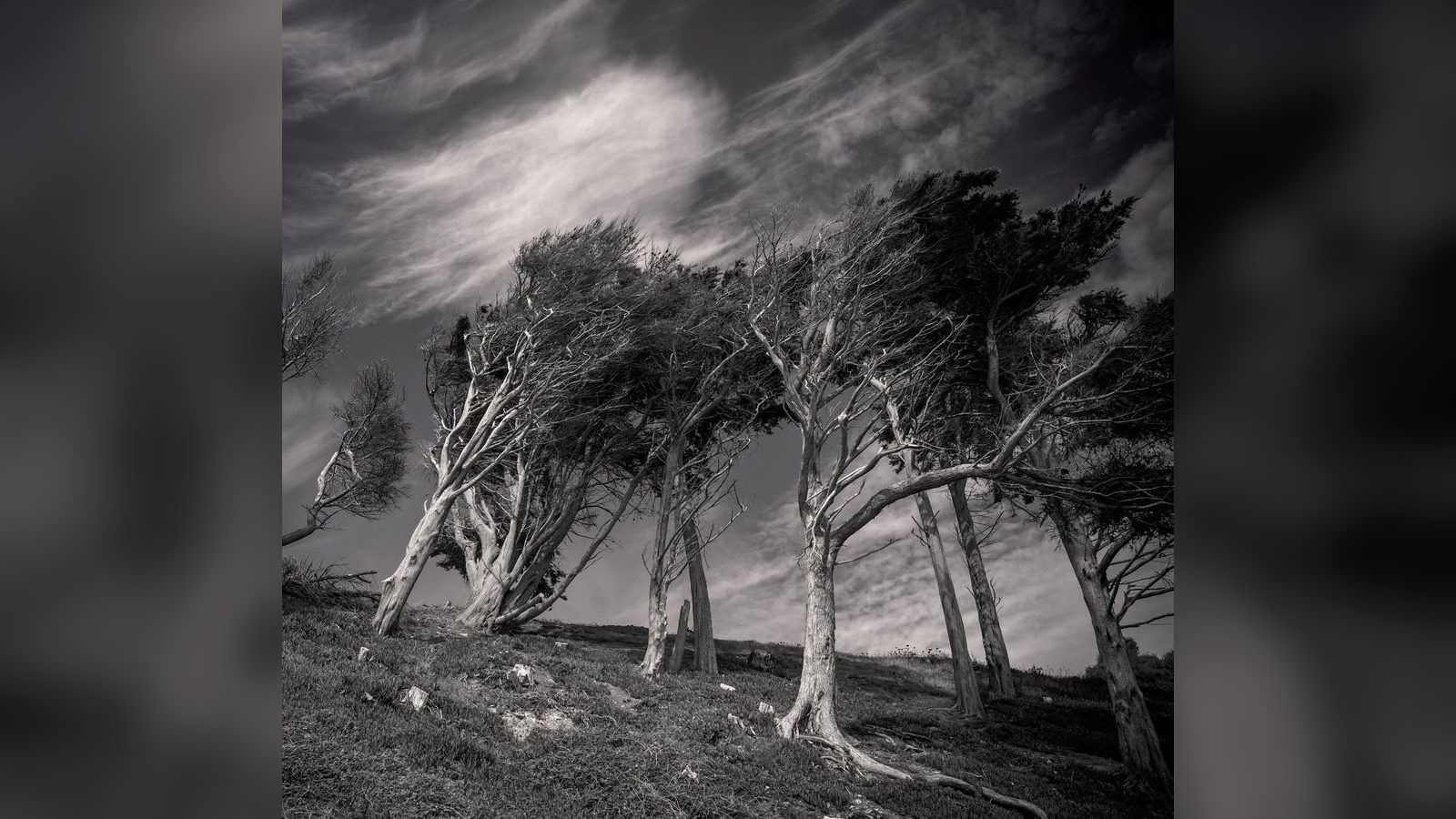
A powerful cyclone originating over the Atlantic will sweep across the Balkans on Thursday and Friday, 12 and 13 November 2026, producing very different effects across the region: heavy rain and hurricane-force winds in parts of the west, and unusually warm, windy conditions in North Macedonia accompanied by Sahara dust.
Regional threat and warnings
Forecaster Slavcho Poposki warns the system may bring “heavy rain and hurricane-force winds” to many parts of the Balkans. "The powerful cyclone from the Atlantic is coming to the Balkans. On Thursday (12 November) in many places across the Balkans it will bring heavy rain and hurricane-force winds with speeds over 110 km/h," he says, adding that some areas could receive more than 100 litres per square metre and face flash-flood risks.
Poposki also cautioned that "the hurricane-force wind expected can cause major damage," and urged people in vulnerable coastal and low-lying areas to be especially careful.
For North Macedonia the picture is different. While the most extreme conditions are forecast for the Adriatic coast, Bosnia and Herzegovina, Montenegro and northern Albania, the cyclone will still influence local weather here: southerly and southwesterly winds will strengthen on 12–13 November and may locally exceed 80 km/h.
"The powerful cyclone from the Atlantic in the days Thursday and Friday (12 and 13 November) will significantly affect the weather in North Macedonia, and especially in the wind from the south and southwest which will be strong to very strong in intensity," Poposki says. Temperatures will be well above normal for mid-November — "In North Macedonia it will be rather warm with temperatures significantly above the November average (and temperatures will be higher than average by as much as 8 to 10 degrees) and they will rise to between 17 and 24 degrees." In Skopje and surroundings daytime readings around 23 °C are expected.
Alongside warm air and strong winds, the country will receive airborne dust and sand transported from the Sahara due to the marked southern flow. "Because of the strong southern and southwesterly airflow, during the mentioned period transport of dust and sand from the Sahara to North Macedonia will occur, so the atmosphere will be clouded," Poposki explains. This can reduce visibility and give the sky a hazy, dusty appearance.
Meanwhile, colder air is forecast to surge into parts of Slovenia, Croatia, Bosnia and Herzegovina, Serbia and Montenegro on Friday afternoon and evening, with temperatures falling by 15–20 degrees in places. Mountain areas above 1,000 metres could see significant snowfall — Poposki expects "snow depths locally of 15 to 20 centimetres, maybe more" — and the snowline could drop well below 1,000 metres, bringing the season's first snow to some lower-lying towns. Rapid changes, heavy precipitation and strong winds may cause disruptions across the affected countries.
Photo: press material from the event